How often do you actually wash your bed linen? Most people do it too infrequently — and then wash it at the wrong temperature. An overview by item.
How often should bed linen be washed?
The rule of thumb used by sleep experts and dust-mite researchers: duvet covers and pillowcases every one to two weeks. That may sound more often than people are used to, but there is a reason: you lose around 100 millilitres of moisture and millions of skin flakes every night. These accumulate in your bed linen and attract dust mites.
Not everyone needs to follow the same schedule. People who sweat in bed, are allergic to dust mites or sleep with a pet should wash more often. Those who sweat little and ventilate well can go two weeks.
| Item | How often | Temperature |
|---|---|---|
| Duvet cover | Every 1–2 weeks | 60°C |
| Pillowcase | Every 1–2 weeks | 60°C |
| Fitted sheet | Every 1–2 weeks | 60°C |
| Duvet (synthetic) | 2–4 times a year | 40°C |
| Duvet (down) | 2–4 times a year | 40°C, down cycle |
| Sleeping pillow | 2–4 times a year | 60°C (synthetic) |
| Mattress toppers | 2–3 times a year | Follow the label |
What temperature should you wash bed linen at?
60°C is the standard for cotton duvet covers, pillowcases and fitted sheets. At 60°C, dust mites, bacteria and fungi are effectively killed. 40°C is too low for hygienically cleaning bed linen that comes into direct contact with your body every week.
Exception: bed linen made of linen, bamboo or other delicate fabrics. These may shrink or become damaged at 60°C — check the label. For these fabrics, 40°C is the maximum, but wash them more often.
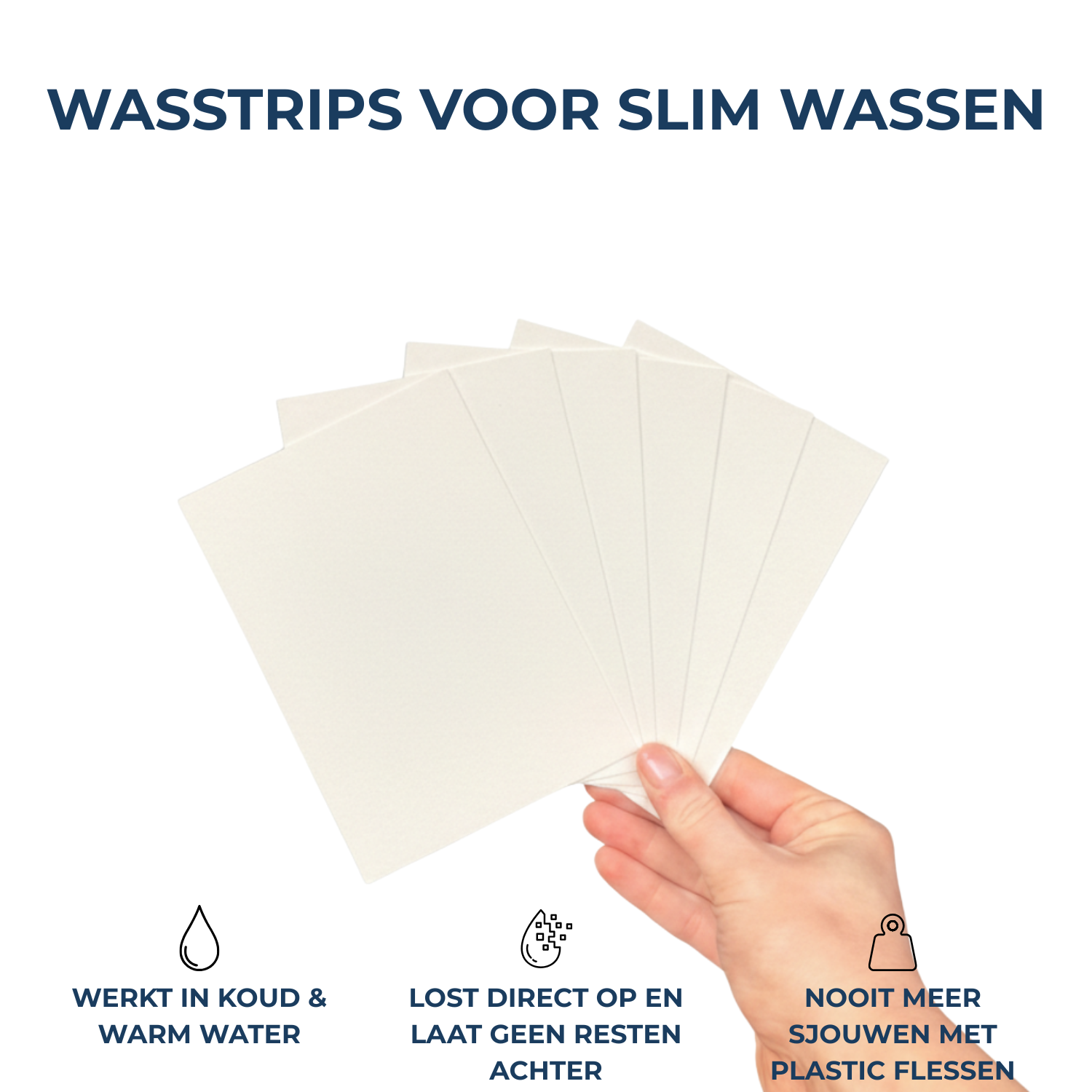
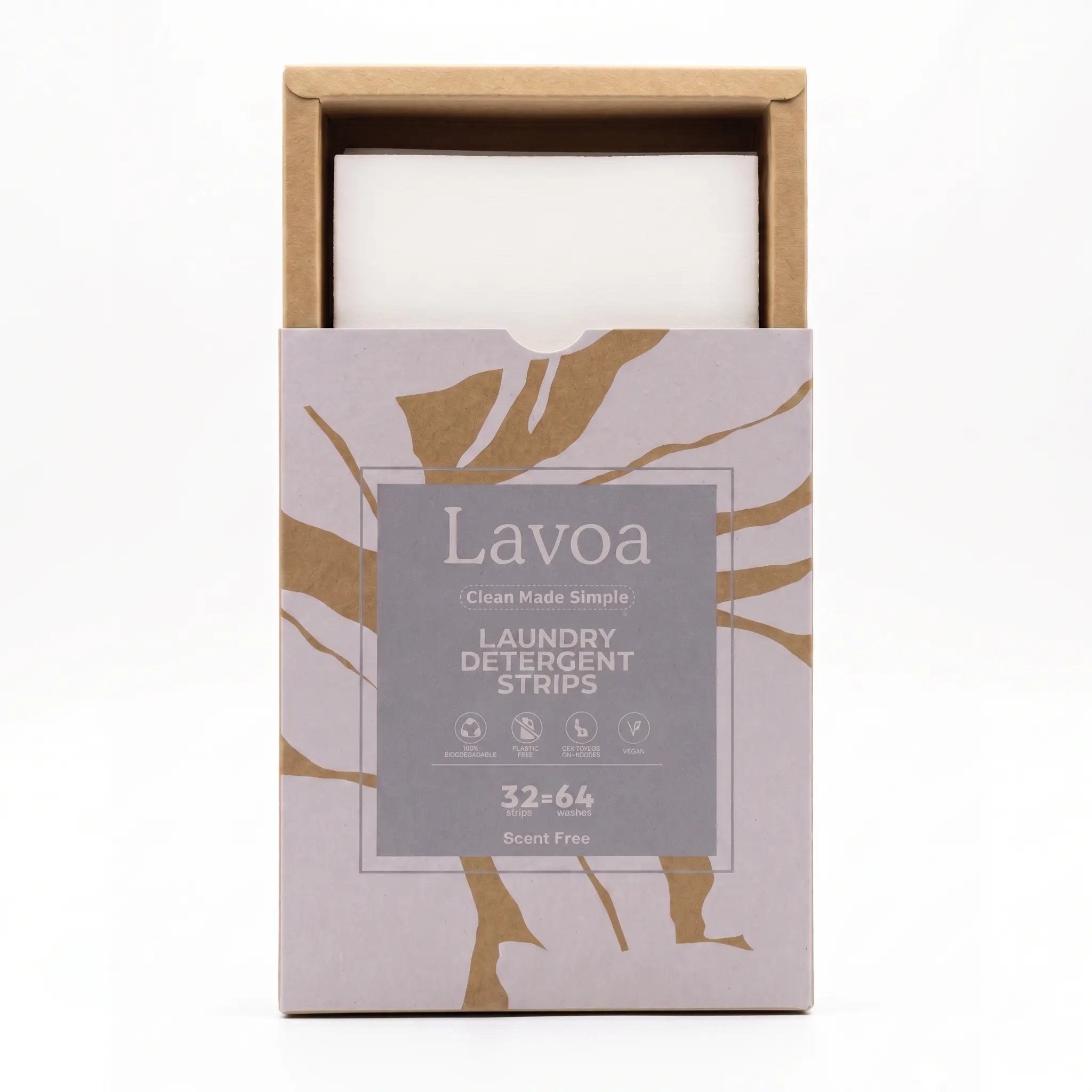
A laundry strip works at all temperatures from 20°C to 90°C. Put it directly in the drum with your bed linen — always the right dosage, with no measuring.
Washing a duvet cover: a few things that help
Duvet covers are large and can dominate the drum, preventing the laundry from rotating properly. Turn the cover inside out before washing it — this reduces wear on the outside and allows the detergent to come into direct contact with the inside, which contains most of the dirt.
Wash bed linen separately from heavy items such as jeans or towels. The mechanical strain from heavy laundry damages the thin cotton fibres of bed linen over time.
Pillowcases: more often than you think
The pillowcase is in the most direct contact with your skin — your face, hair and neck rest on it every night. Skin oils, hair-care products and saliva are absorbed directly into the pillow. Washing pillowcases every week is actually the minimum, especially if you have skin problems or acne-prone skin.
The pillow itself
The pillow itself is protected by the pillowcase, but not completely. Washing two to four times a year is sufficient for most people. Wash synthetic pillows at 60°C — this effectively kills dust mites. Wash down pillows at 40°C on a down cycle, then dry them completely in the dryer with tennis balls.
Memory foam pillows should never go in the machine — the filling falls apart when it comes into contact with water. Use a removable, washable cover.
✓ Good for your bedding
- Wash at 60°C
- Wash inside out
- Separate from heavy clothing
- Hang up immediately after washing
- Air regularly between washes
✗ Avoid
- Washing cotton at 30°C or 40°C
- Fabric softener with terry items
- Leaving wet laundry in the machine for a long time
- Washing the duvet and cover together
- Dryer on a high setting
Airing bedding between washes
Airing bedding extends the time between washes. Fold the duvet back every morning and leave the bed uncovered for fifteen minutes before making it — this allows nighttime moisture to evaporate. Open a window if possible. Hanging the duvet outside once a month also does wonders for freshness.
Frequently asked questions about washing bedding
How often should I wash my bedding?
Wash duvet covers, pillowcases, and fitted sheets every one to two weeks at 60°C. Wash the duvet itself two to four times a year. People who sweat heavily, are allergic to dust mites, or sleep with a pet should wash more often. Airing bedding between washes extends the time between washes.
What temperature should I wash bedding at?
Wash cotton bedding at 60°C — this effectively kills dust mites and bacteria. Wash linen, bamboo, and other delicate fabrics at a maximum of 40°C — check the care label. Washing at 40°C is too low for hygienic cleaning of bedding used weekly.
Can I wash the duvet and cover together?
We advise against it. A duvet needs the entire drum space to wash and dry properly — together with a cover, it is too cramped. Wash them separately. Wash the cover weekly and the duvet two to four times a year.
How do I wash a duvet at home?
Wash a synthetic duvet at 40°C in a machine with a capacity of at least 8 kg. Wash a down duvet at 40°C using a down cycle. After washing, dry it completely in the dryer on a low setting with two tennis balls — damp filling can cause mold. No dryer? Then leave it for a full day on a large, flat drying rack.
How often should I wash my pillow?
Two to four times a year is sufficient for most people. Wash synthetic pillows at 60°C. Wash down pillows at 40°C with tennis balls in the dryer. Memory foam pillows should never go in the machine — use a washable cover and wash it weekly.
Does washing at 60°C help against dust mites?
Yes. Dust mites cannot survive temperatures above 55°C. Washing at 60°C kills both the mites and their eggs. For people with a dust mite allergy, washing at 60°C every one to two weeks is the most effective measure alongside good ventilation and an anti-allergy mattress protector.
Fresh bedding starts with the right wash
Laundry detergent sheets work at 60°C and dissolve completely — no residue in your bedding, always the right dosage.
View the laundry detergent sheets →