Does your washing machine smell musty, does your clean laundry no longer come out fresh, and is there gray residue around the door? That is greasy residue — and it is much easier to fix than it sounds.
What is greasy residue and where does it come from?
Greasy residue is not a bug but a buildup of soap residue, skin flakes, and grease from your clothes. It accumulates in the rubber door seal, drum, and drain hoses — especially among people who frequently wash at low temperatures and use liquid detergent.
The combination is the problem: liquid detergent contains fats and thickeners that do not dissolve completely at 30°C or 40°C. These residues remain behind, build up, and form a layer where bacteria and mold thrive. That is the source of the odor.
Causes
- Too much liquid detergent
- Always wash at low temperatures
- Leave the door closed after washing
- Never clean the detergent drawer
- Never dry the rubber seal
Symptoms
- Musty smell from the machine
- Laundry no longer smells fresh
- Gray residue on the rubber seal
- Black spots around the door seal
- Slimy residue in the drawer
Cleaning your washing machine: step by step
Has the damage already been done? Then clean it up first. This step-by-step guide works for most machines.
-
Clean the rubber seal Pull back the rubber door seal and wipe it thoroughly with a cloth soaked in a mixture of water and cleaning vinegar. This is where most of the dirt collects. Treat black mold spots with a little baking soda on the cloth.
-
Clean the detergent drawer Pull the drawer out — most machines have a small release button. Wash it under warm water. The compartments for prewash and fabric softener are often the dirtiest.
-
Run a cleaning cycle Empty machine, highest temperature (90°C or 95°C), add a splash of cleaning vinegar to the drum or washing machine cleaner to the dispenser drawer. This dissolves the buildup of grease in the pipes and drum.
-
Leave the door open After each wash, leave the door slightly ajar so the drum can dry. Moisture that remains is a breeding ground for mold.
A monthly cleaning cycle at 90°C with an empty drum keeps greasy residue under control in the long term — even if you wash at 30°C every day.
Prevention is easier than a cure
Greasy residue is almost always caused by using too much detergent and by fats that remain behind at low temperatures. Both causes are easy to eliminate.
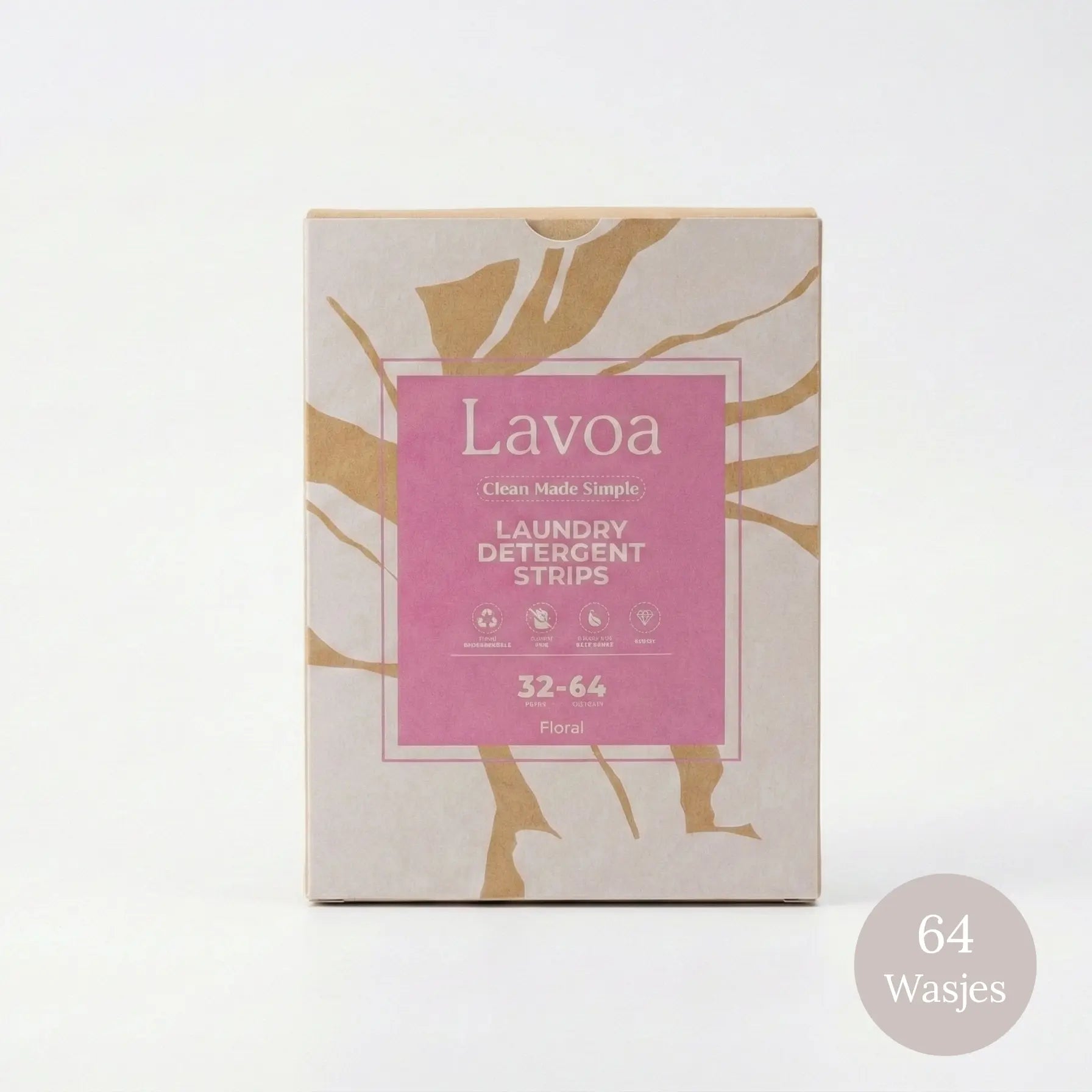
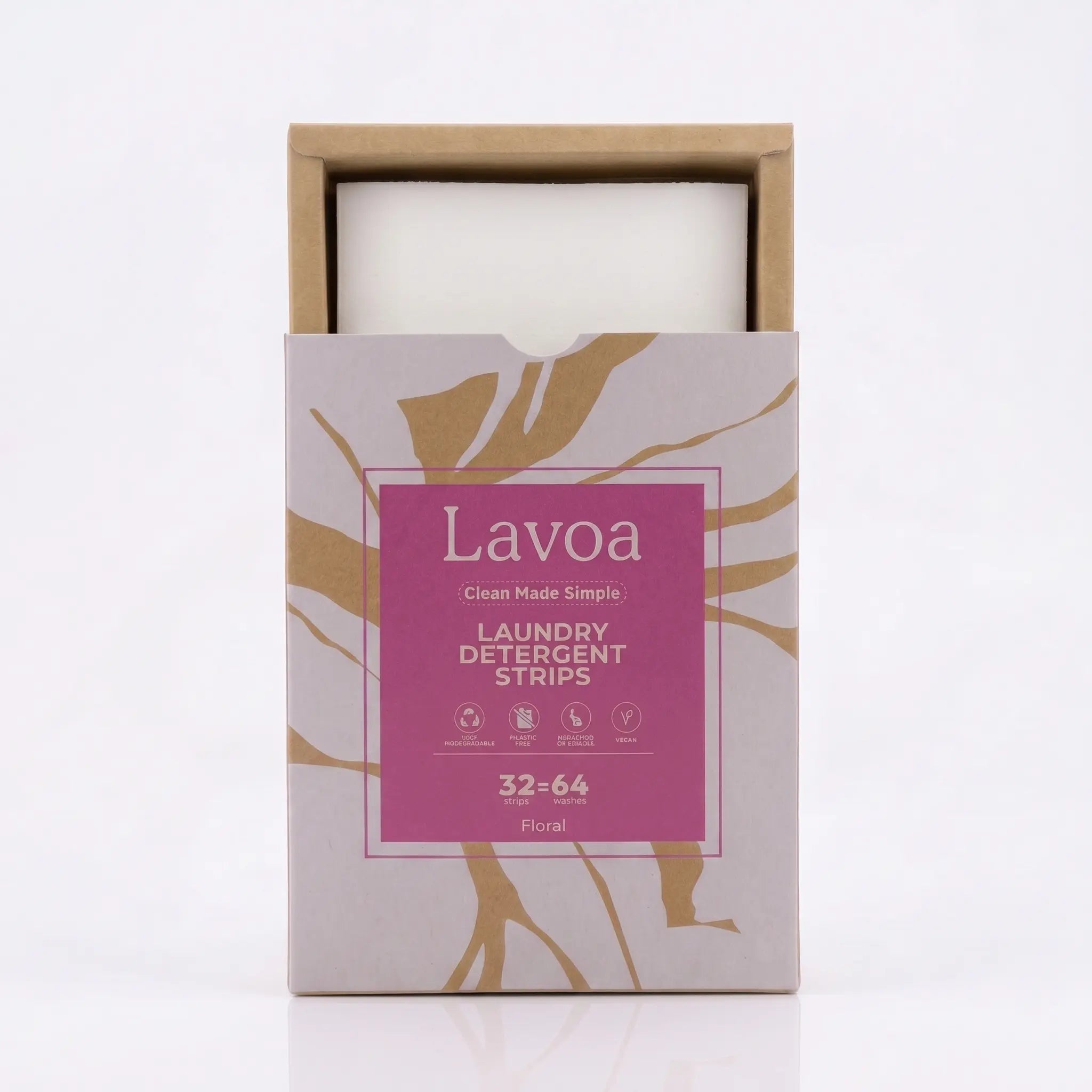
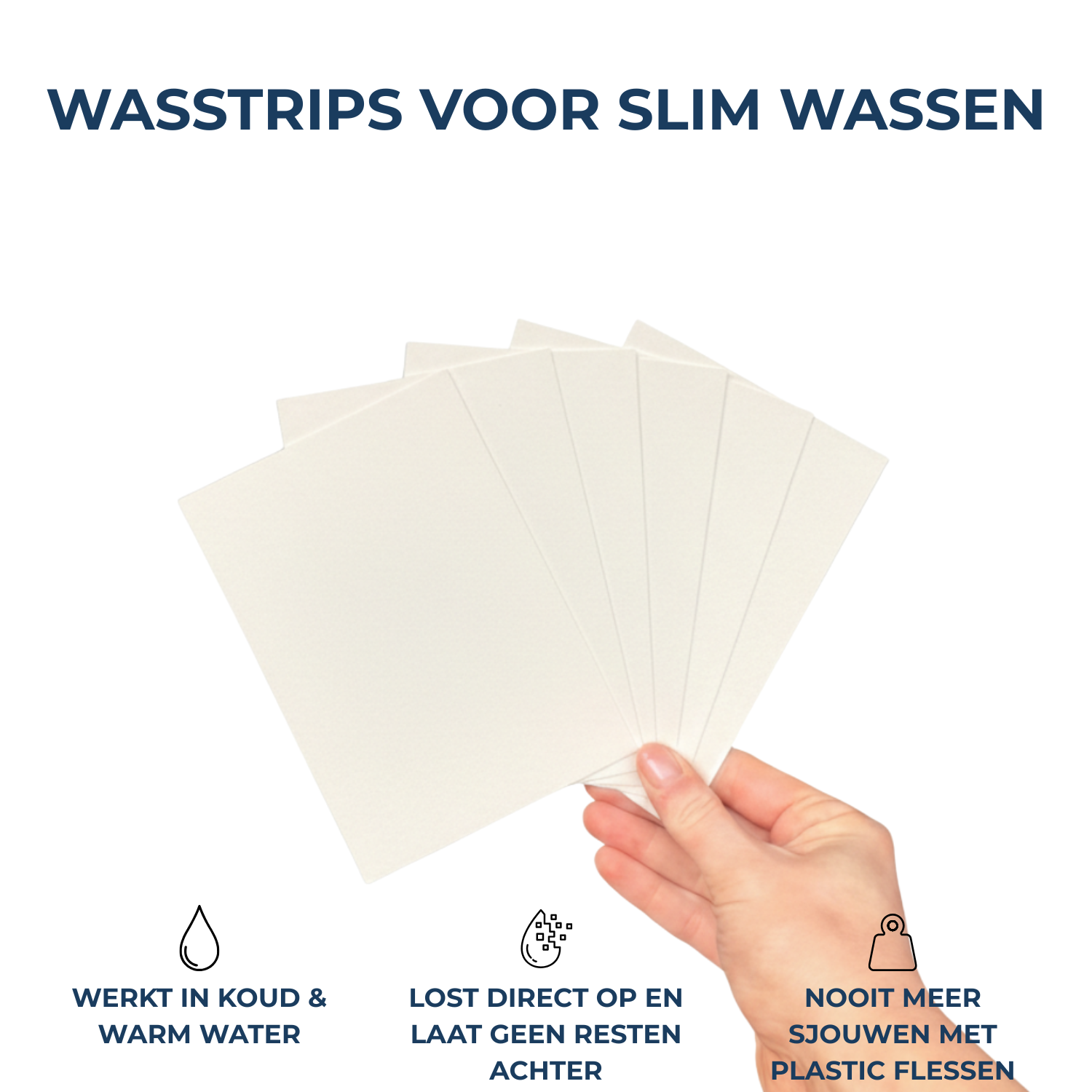
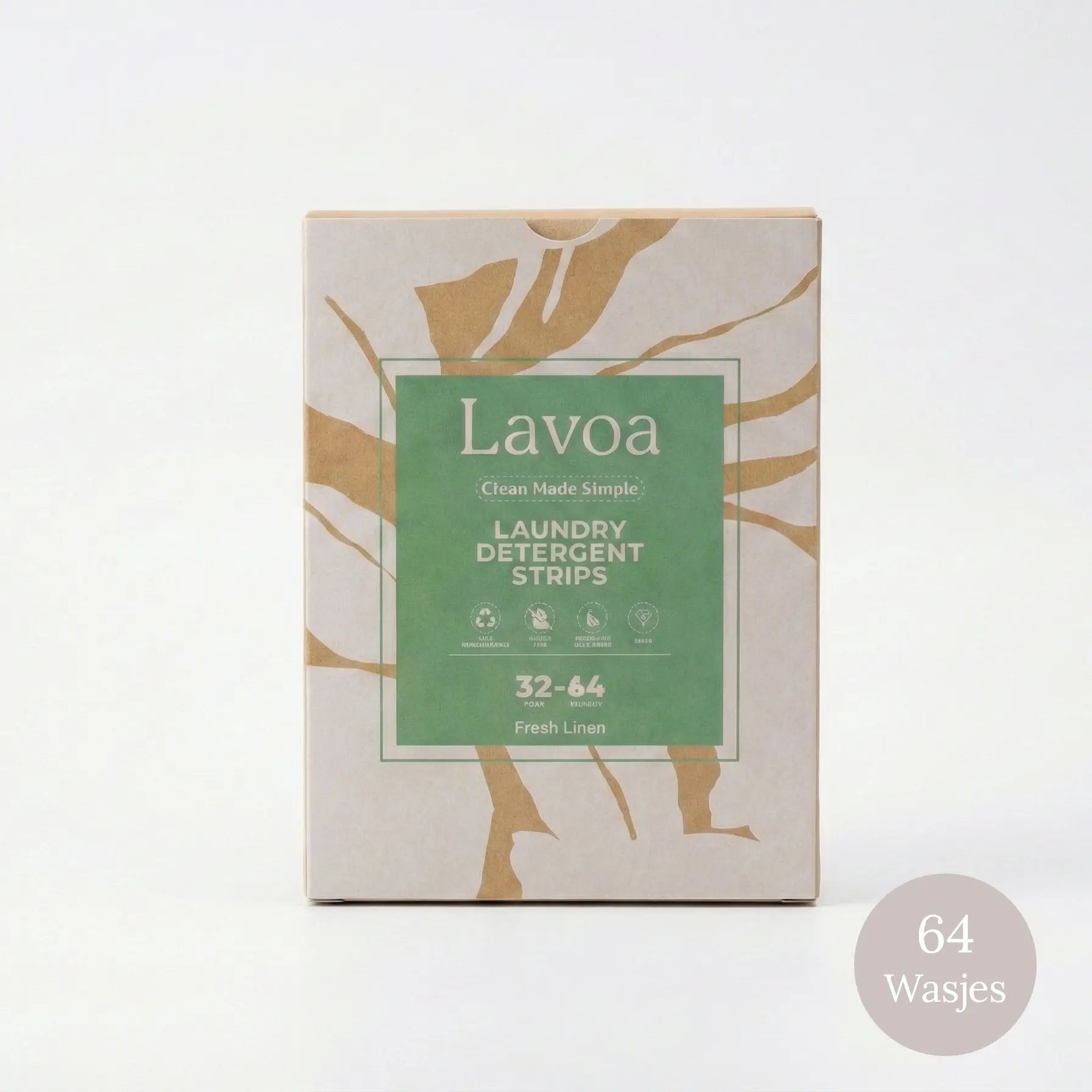
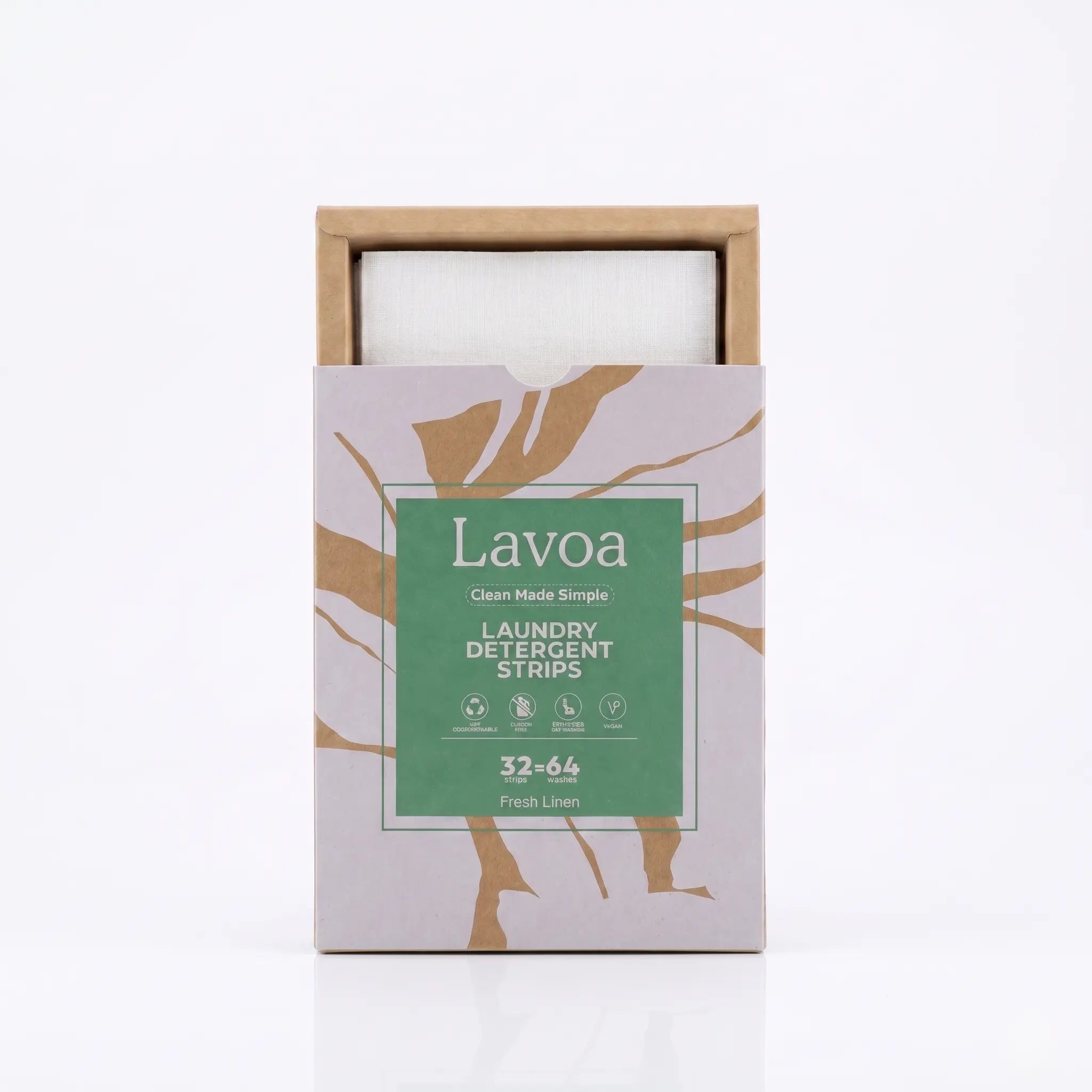
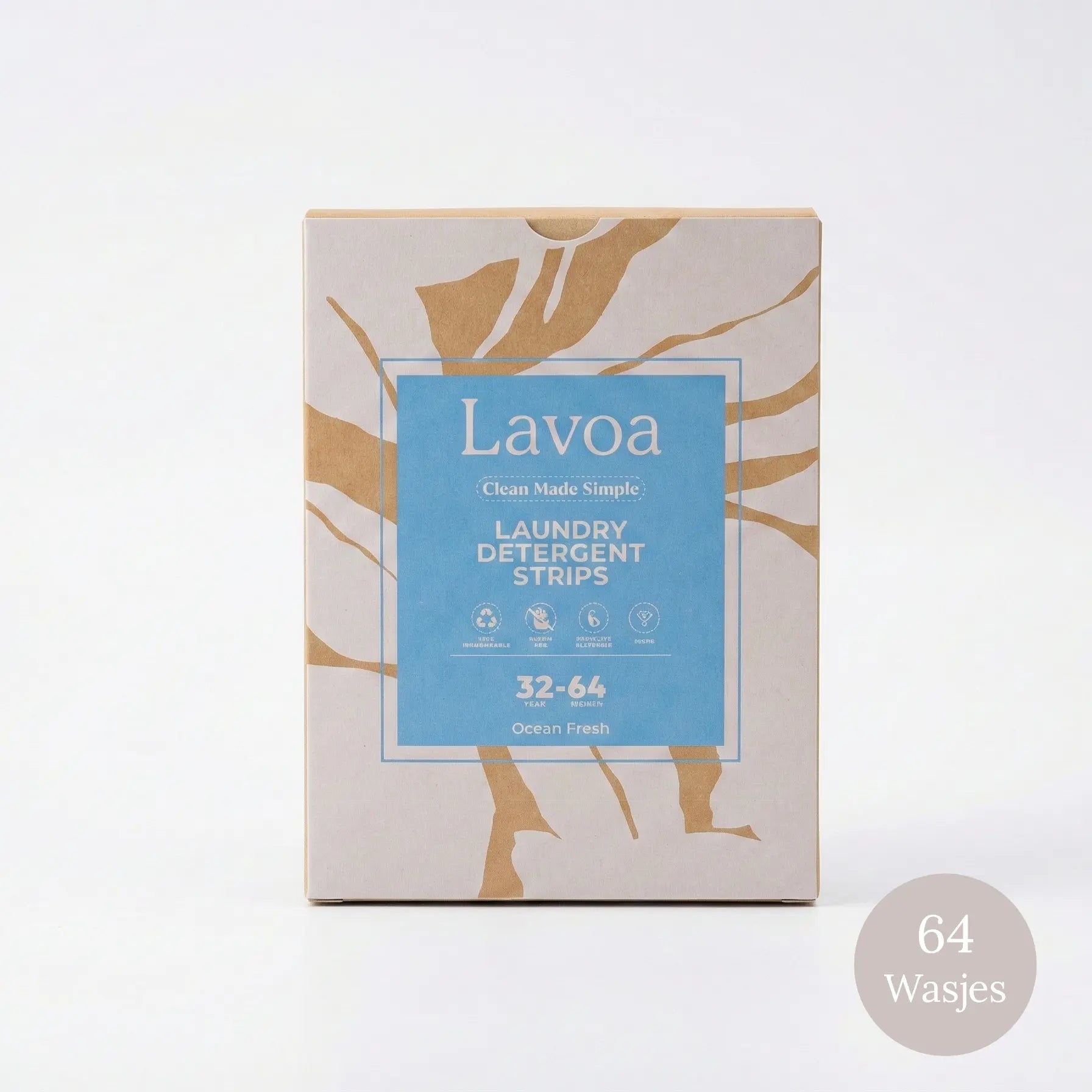
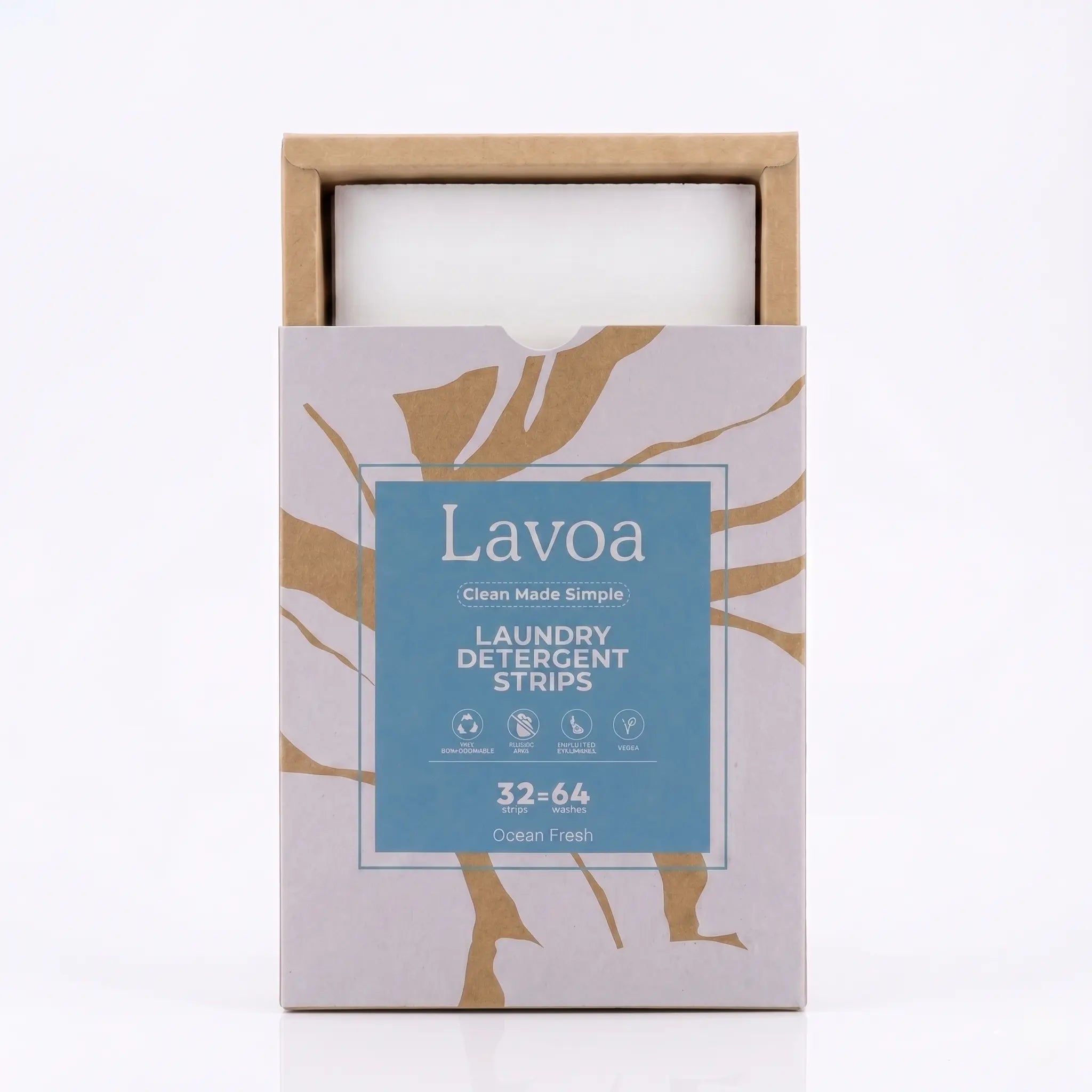
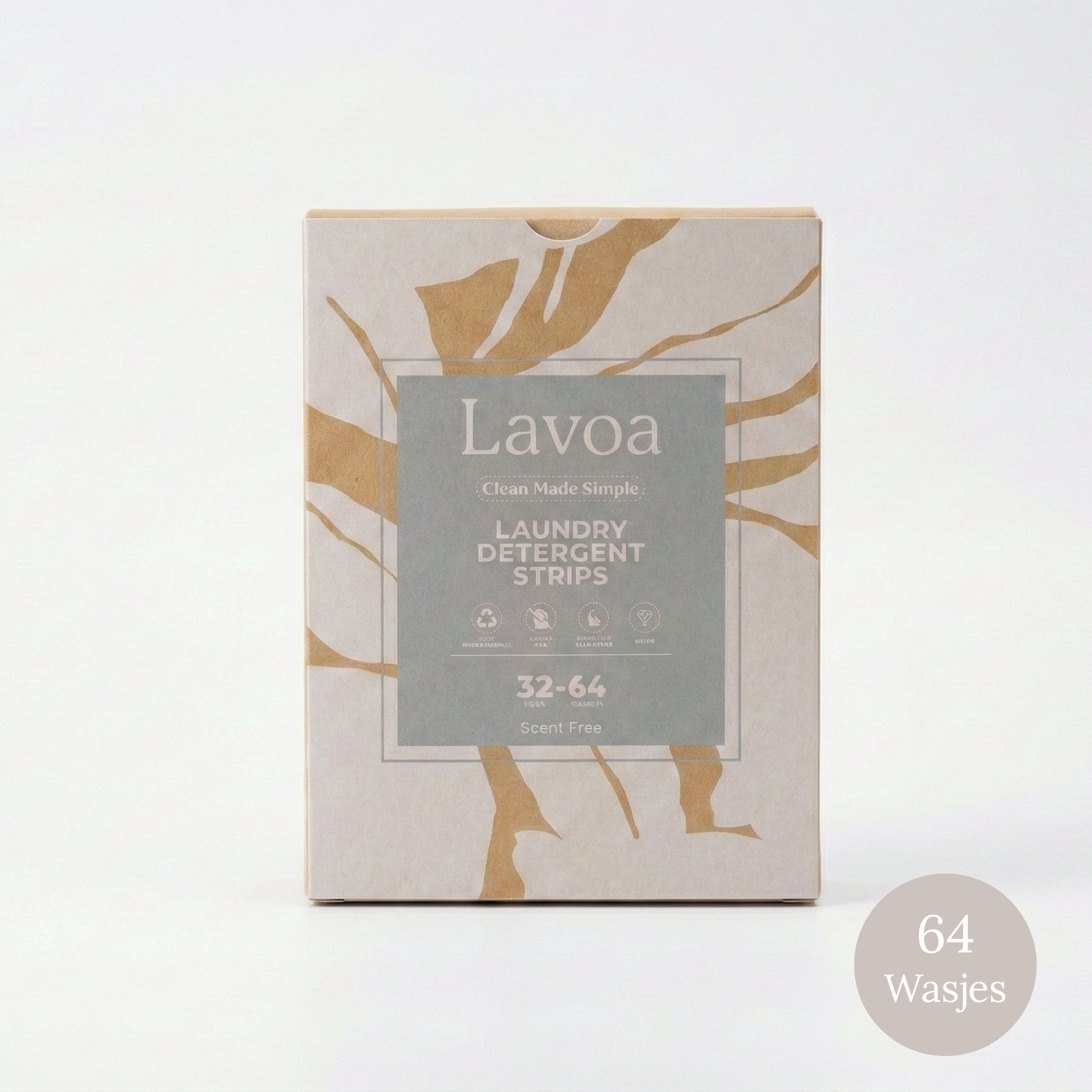
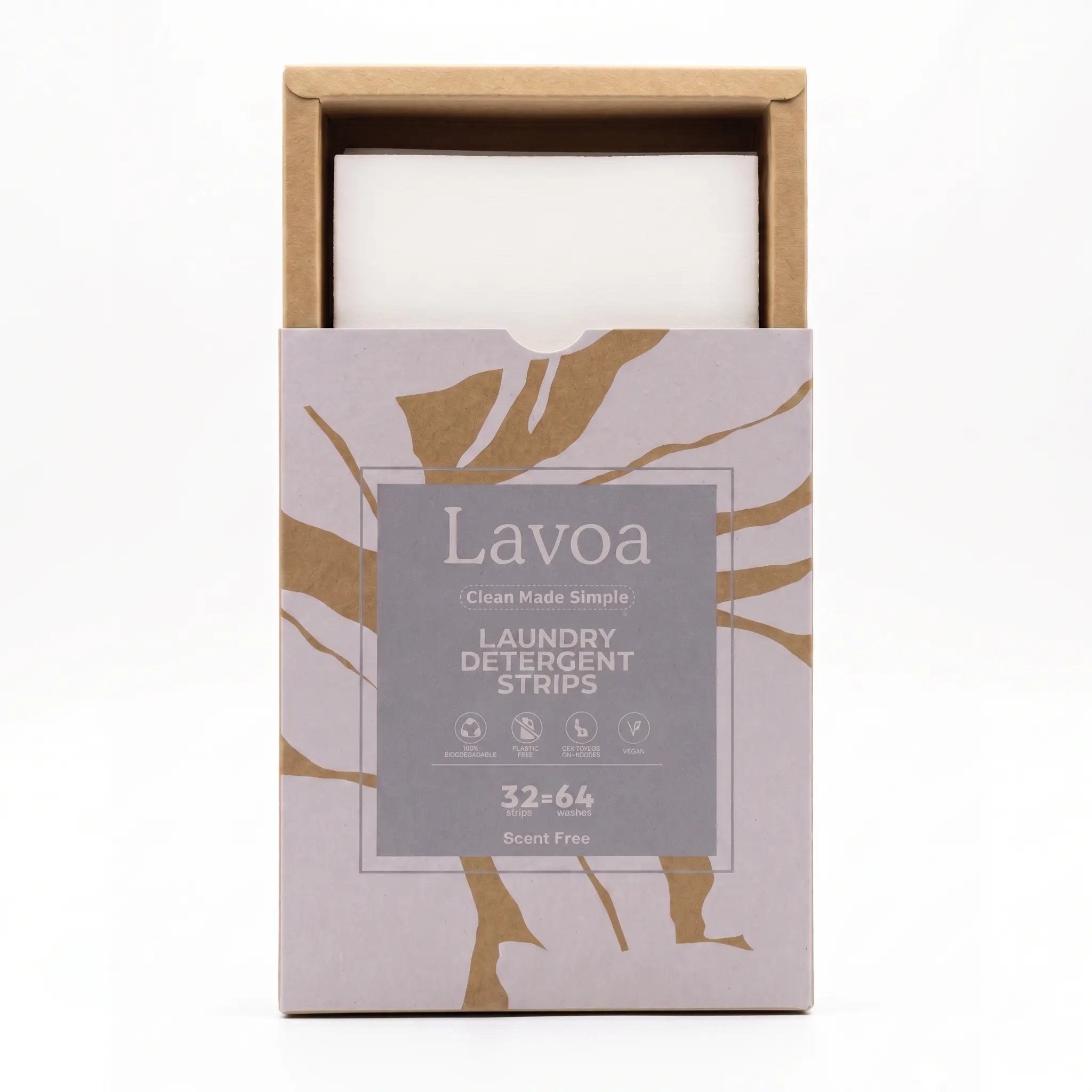
Liquid detergent is difficult to dose precisely — most people consistently use too much. Laundry strips solve that: one strip per wash, always the right amount. They contain no fats or thickeners and dissolve completely, even at 30°C. Nothing is left behind in the pipes.
- No grease or thickeners left behind in the machine
- Dissolves completely, even in cold water
- Always the correct dosage — no excess that can build up
- No fabric softener needed that worsens washing machine sludge
Fabric softener makes it worse
Liquid fabric softener is one of the biggest contributors to washing machine sludge. It leaves a greasy layer on the fibers and on the inside of the machine. If you have washing machine sludge, also stop using fabric softener — not just detergent.
Frequently asked questions about a smelly washing machine and washing machine sludge
Why does my washing machine smell?
The most common cause is washing machine sludge: a buildup of soap residue, grease, and skin flakes in the drum, rubber seal, and pipes. Bacteria and mold in this layer cause the musty odor. Run a cleaning cycle at 90°C and clean the rubber seal to get started.
What exactly is washing machine sludge?
Washing machine sludge is not an insect but a buildup of soap residue, fats, and organic material left behind in the machine, particularly when using liquid detergent at low temperatures. It provides a breeding ground for bacteria and mold, which cause the musty odor.
How do I clean washing machine sludge from my washing machine?
First clean the rubber seal by hand with water and cleaning vinegar. Then clean the detergent drawer. Next, run an empty wash cycle at 90°C with a splash of cleaning vinegar or washing machine cleaner. Leave the door ajar after every wash so the machine can dry.
How can I prevent washing machine sludge in the future?
Use less detergent — or switch to laundry strips that contain no fats and dissolve completely. Run a cleaning cycle at 90°C once a month. Leave the door open after washing and regularly wipe the rubber seal dry. Also stop using liquid fabric softener — it contributes significantly to grease buildup.
My laundry smells musty after washing — is the machine to blame?
Probably. If the machine itself smells like mold or grease, that odor gets into your laundry. First clean the machine according to the step-by-step guide above. If the odor disappears afterward, the machine was the cause. Does the problem persist? Also check that your laundry is not left in the machine for too long after the wash cycle.
No more washing machine sludge — start with the detergent
Laundry strips contain no fats, dissolve completely, and provide the correct dosage. That is the simplest way to structurally prevent grease buildup.
View the laundry strips →