Washing baby clothes seems simple, but a baby's skin reacts differently from an adult's. What is in your detergent matters more than you think — especially in the first few months.
Why newborn skin is especially vulnerable
A newborn's skin is thinner than an adult's and has not yet developed a fully protective skin barrier. Substances that are not a problem for adults — fragrance, optical brighteners, preservatives — can cause irritation, rashes or eczema in babies.
That does not mean you need a special baby detergent. It does mean you should consciously choose what is and is not in it.
What you should avoid
✗ Avoid
- Synthetic fragrance
- Optical brighteners
- Dyes
- Liquid fabric softener
- Preservatives in liquid detergent
✓ What to look for
- Fragrance-free (not: “mild fragrance”)
- Hypoallergenic tested
- Dissolves completely — no residue
- No unnecessary fillers
Pay attention to the difference between “fragrance-free” and “mild fragrance” on the packaging. The latter still contains fragrances — only in a lower concentration. For a newborn, that difference matters.
Liquid fabric softener contains fragrance and chemical softeners that remain in the fibres. Do not use it for baby clothes — even if the packaging says “soft” or “hypoallergenic”.
Always wash new baby clothes before use
Manufacturers use substances during production and storage to keep clothes wrinkle-free. Those residues are still in the fibres when you take the garment out of its packaging. Washing it before first use removes them.
This also applies to muslin cloths, bed linen and bibs — anything that comes into direct contact with the baby's skin.
What about dosing?
Overdosing is a common problem with liquid detergent. Soap residue left behind in the fibres comes into contact with the skin every time the garment is worn. For babies, who produce a lot of saliva and perspiration and wear their clothes intensively, this is an extra reason to dose precisely.
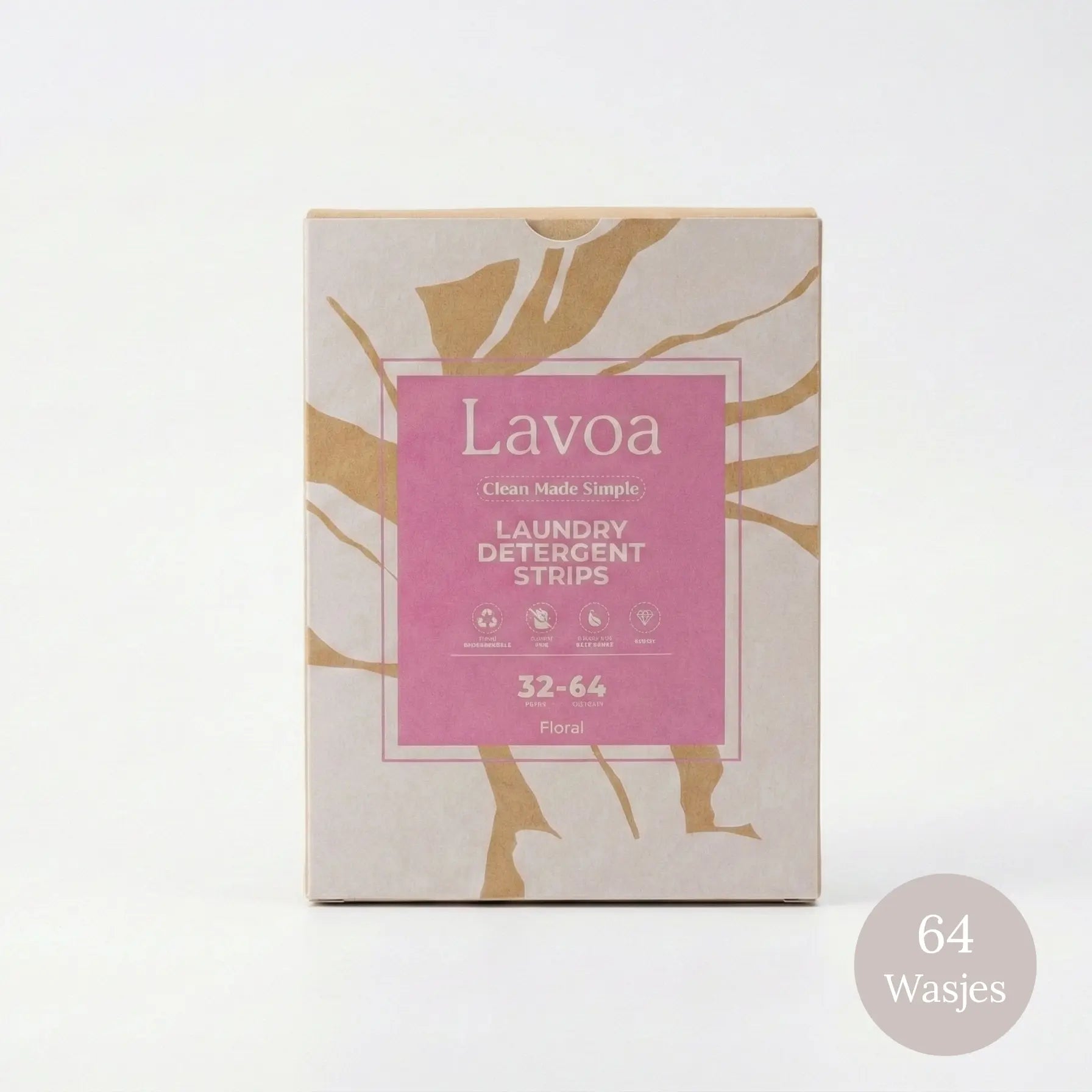
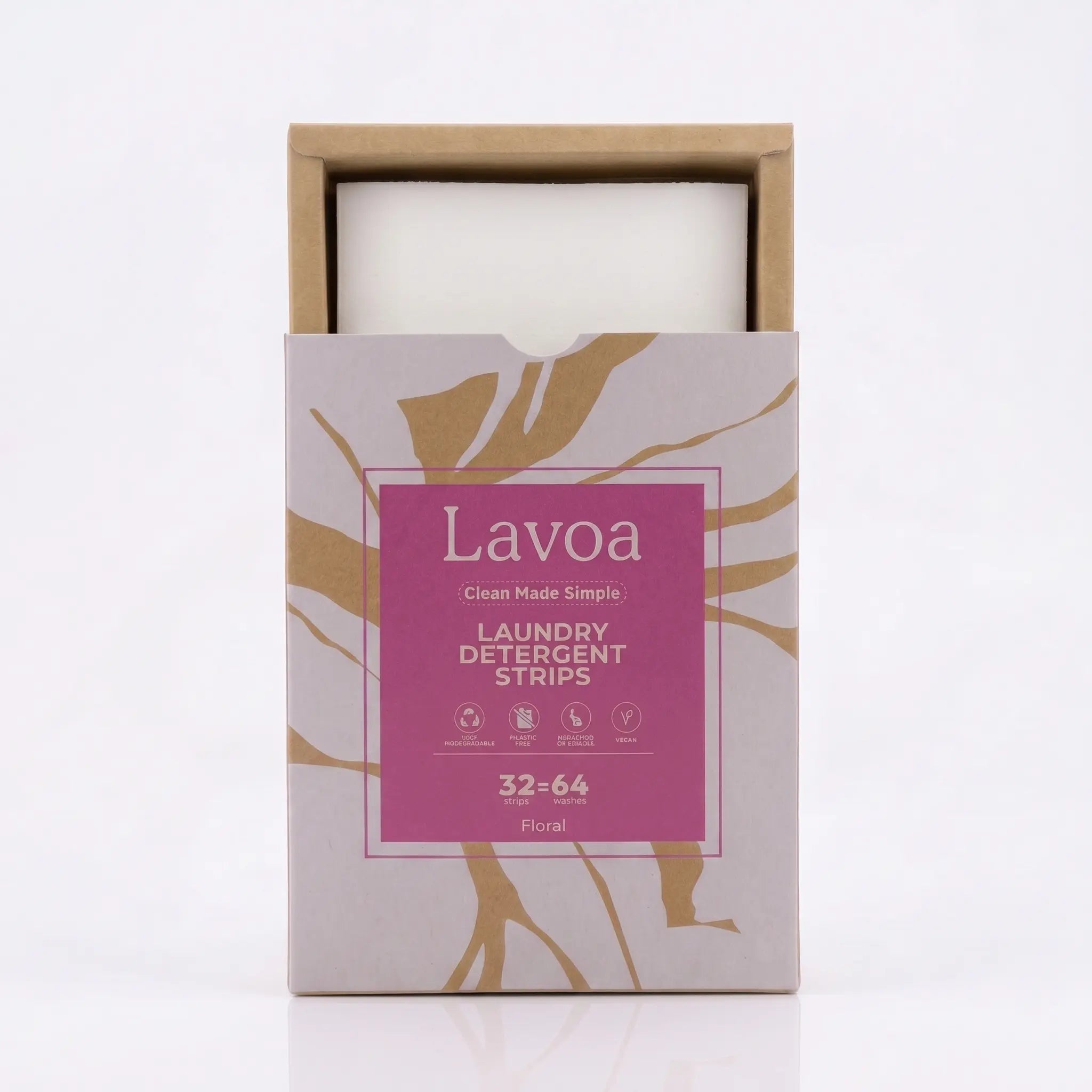
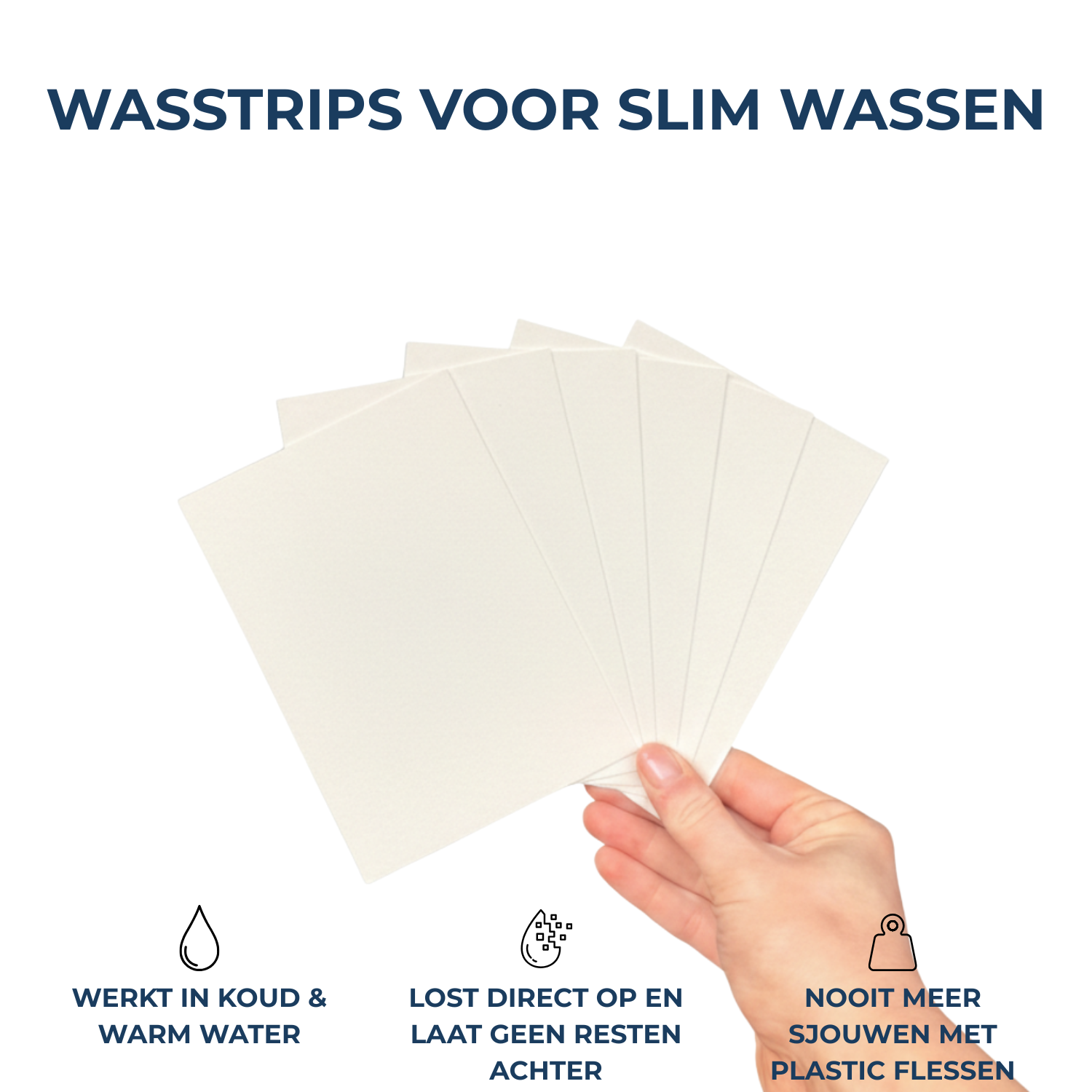
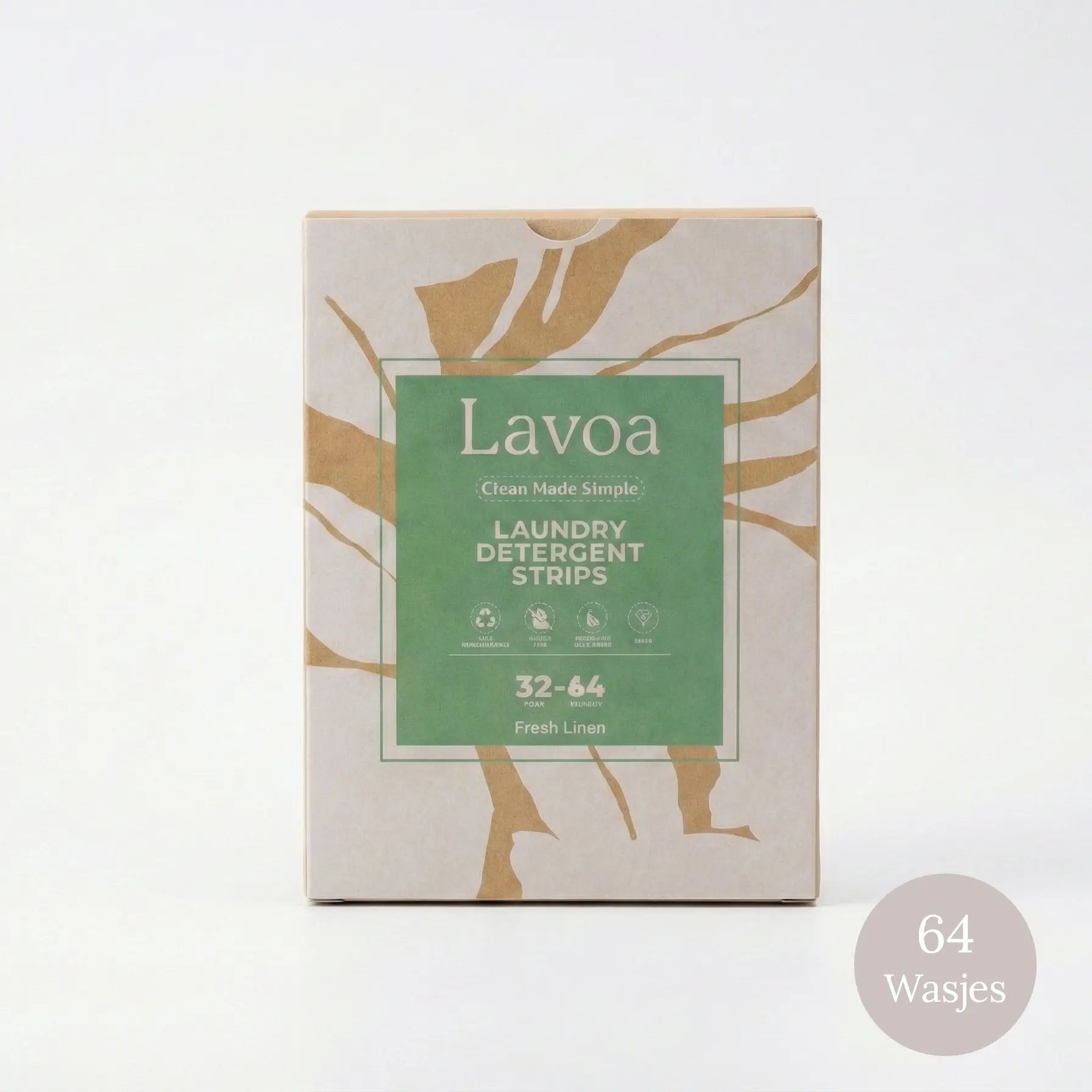
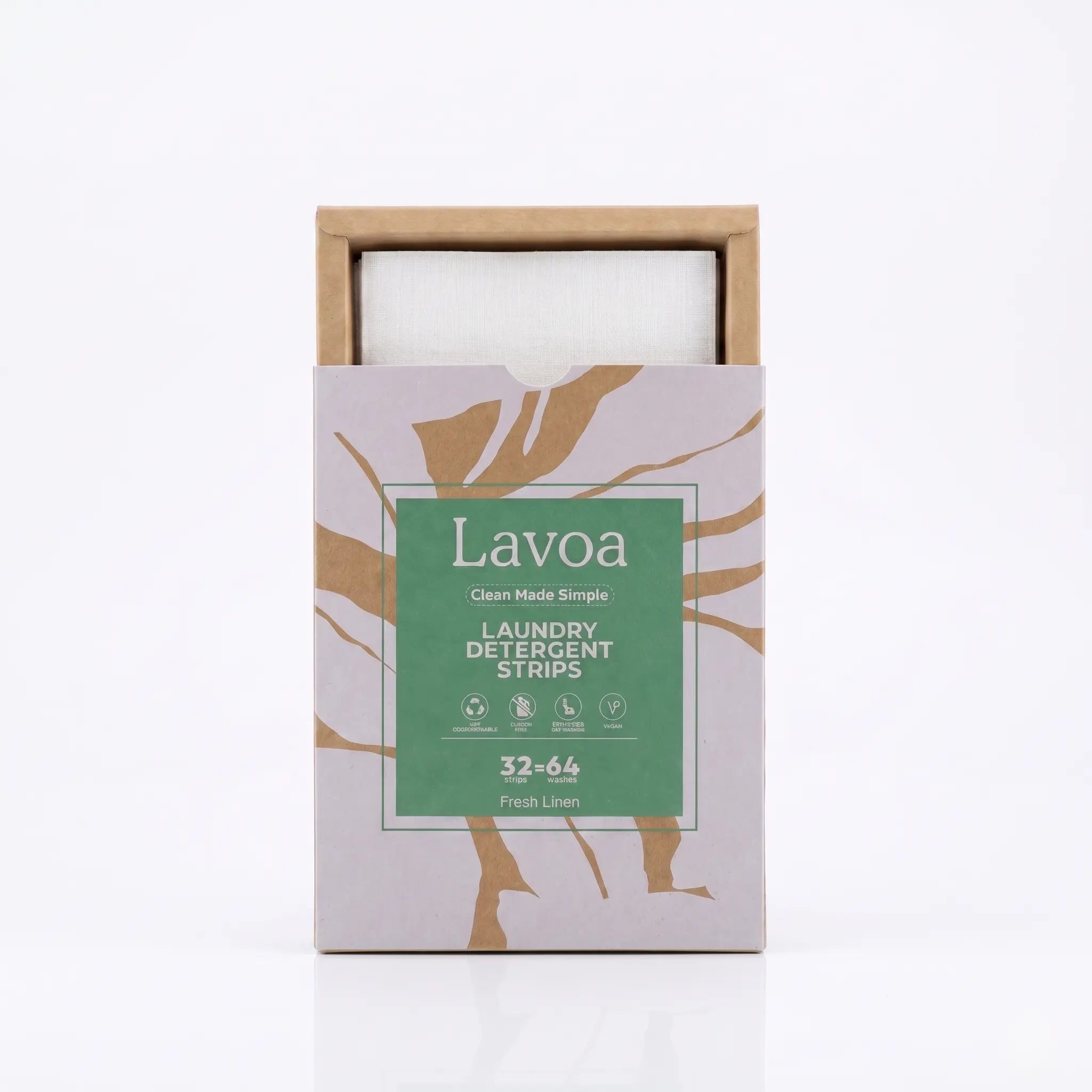
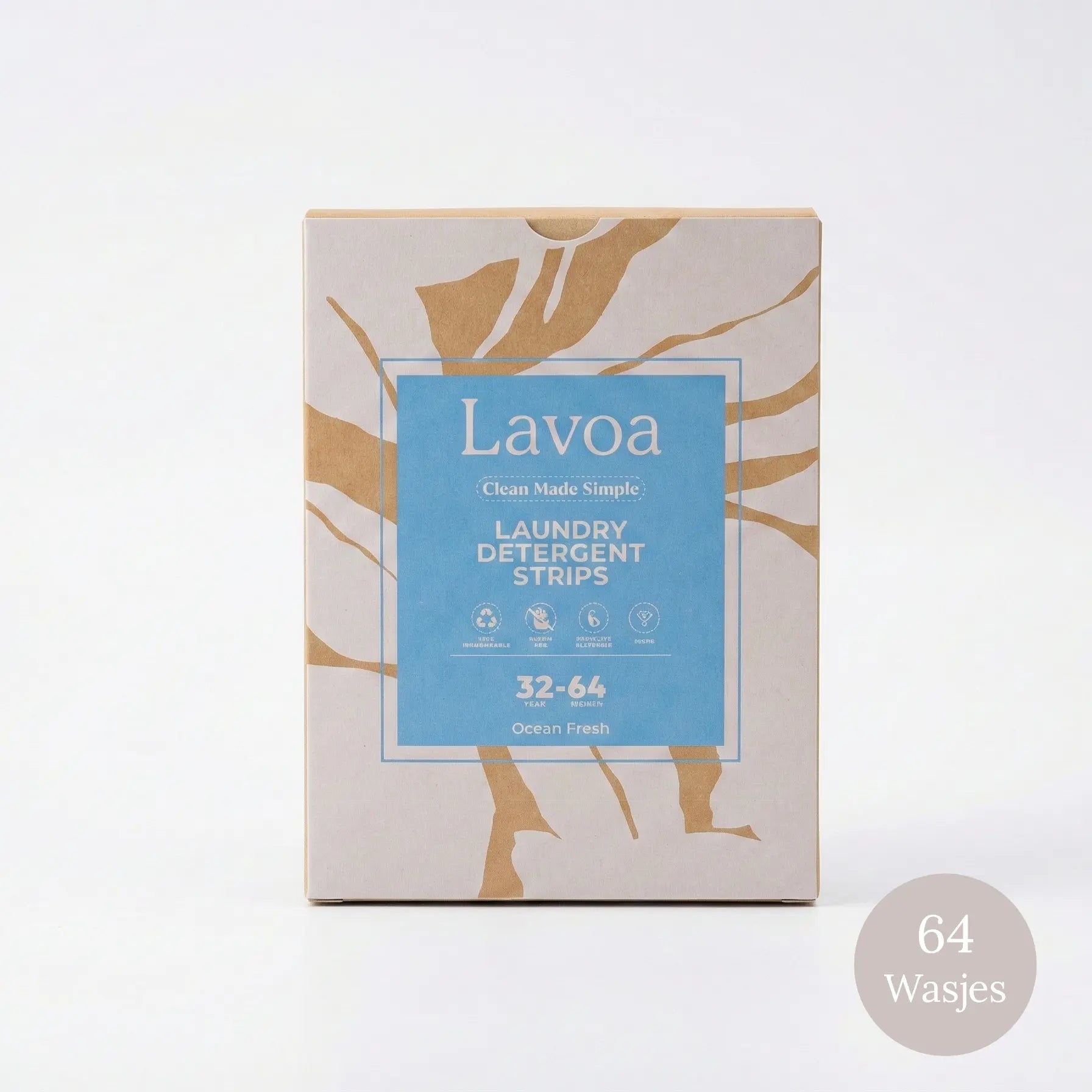
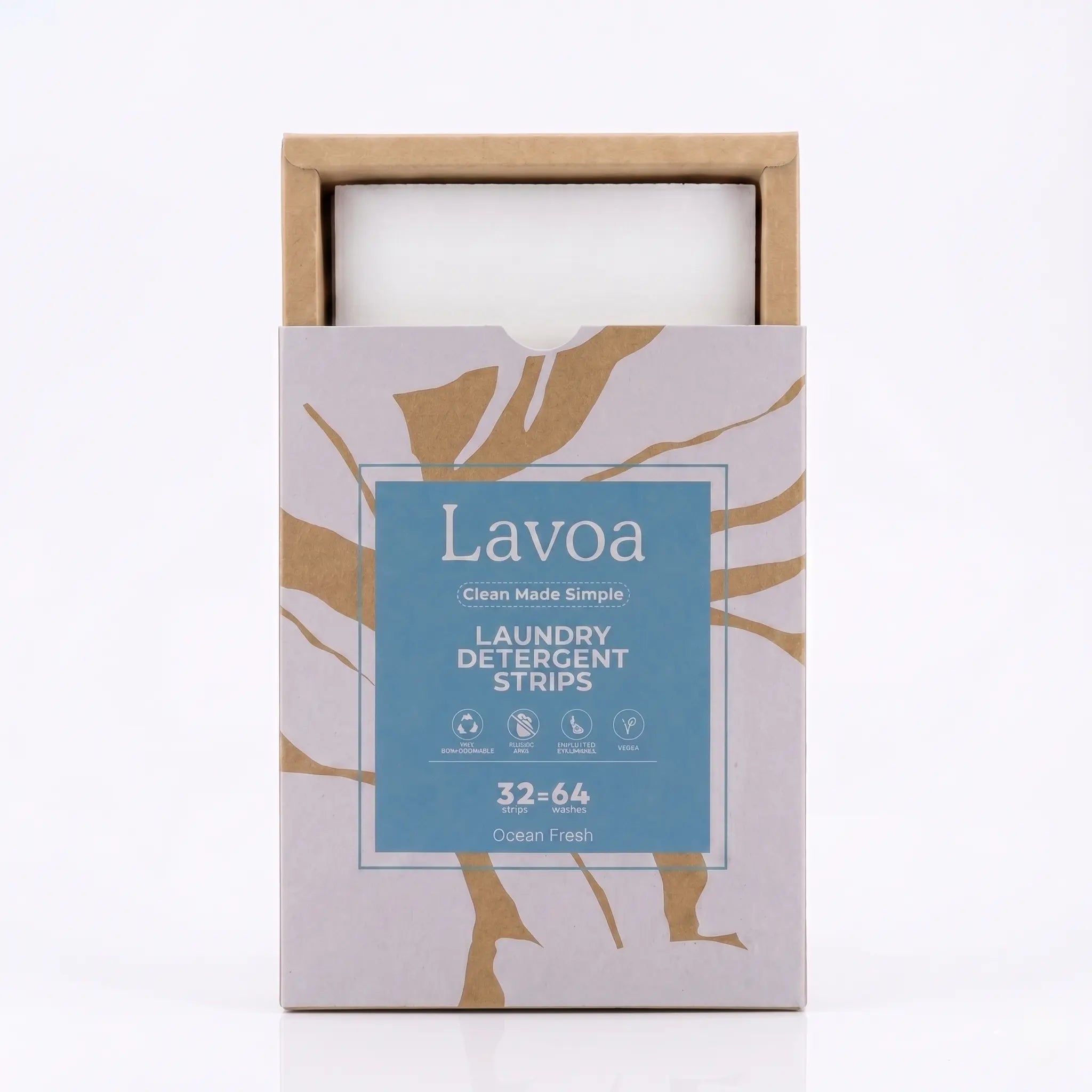
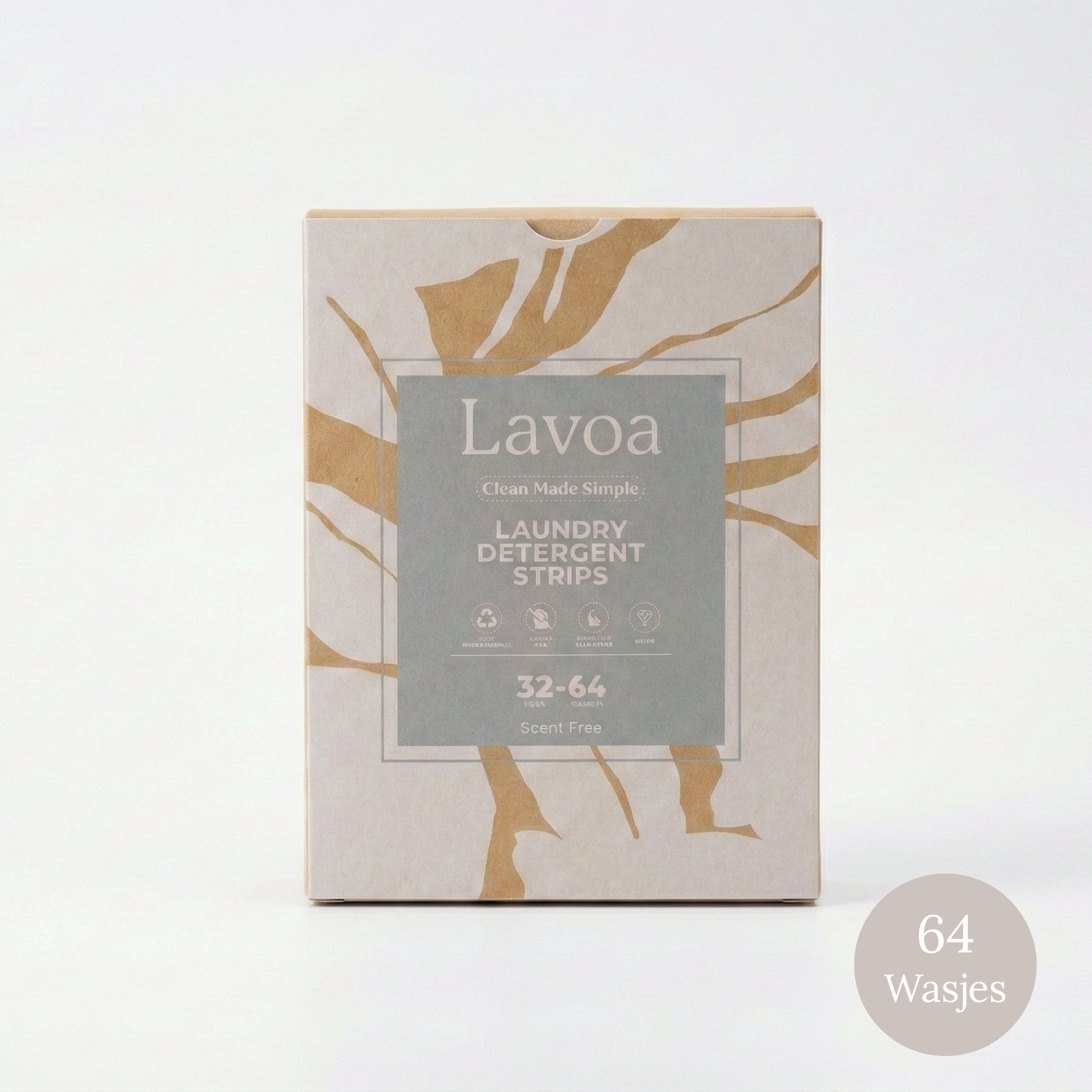
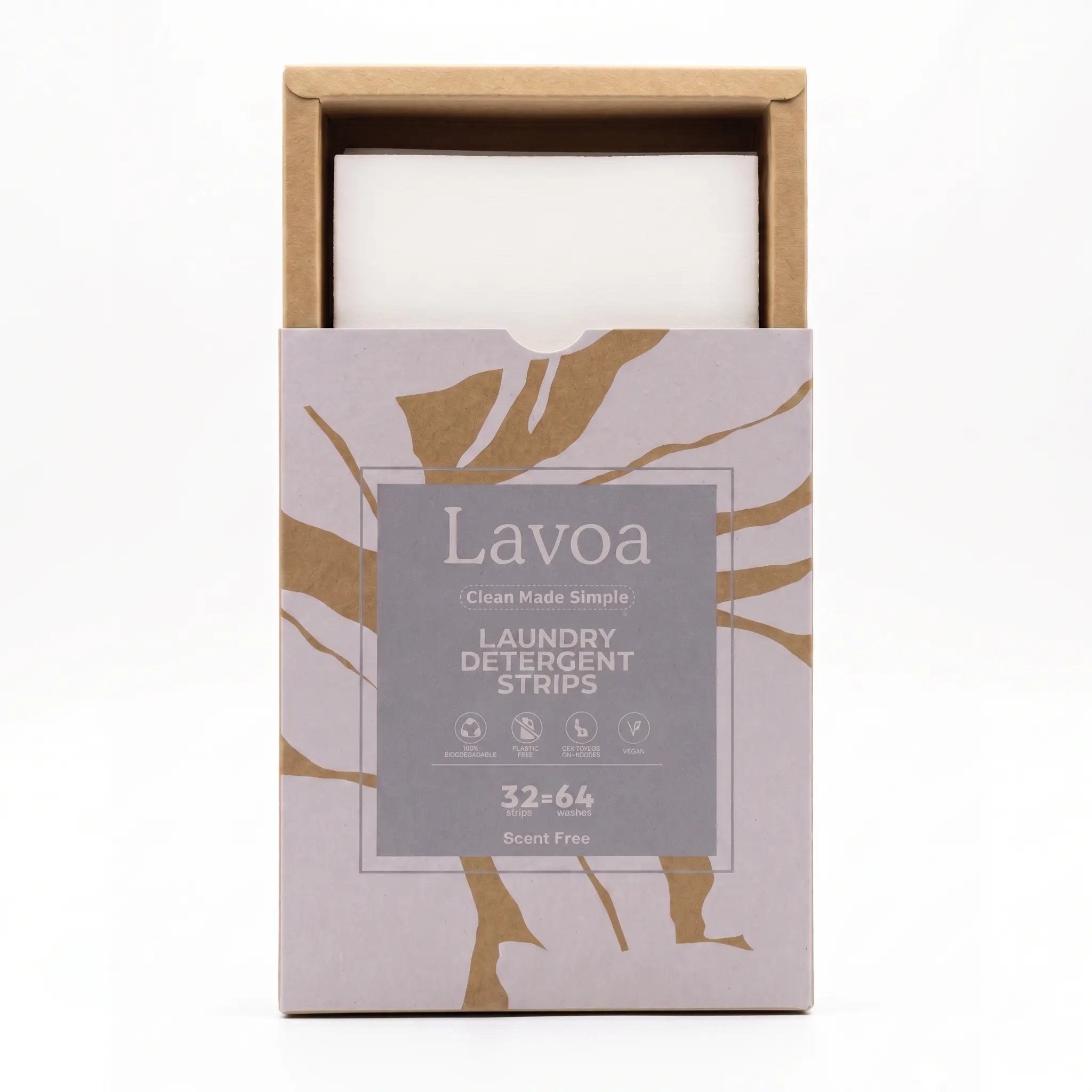
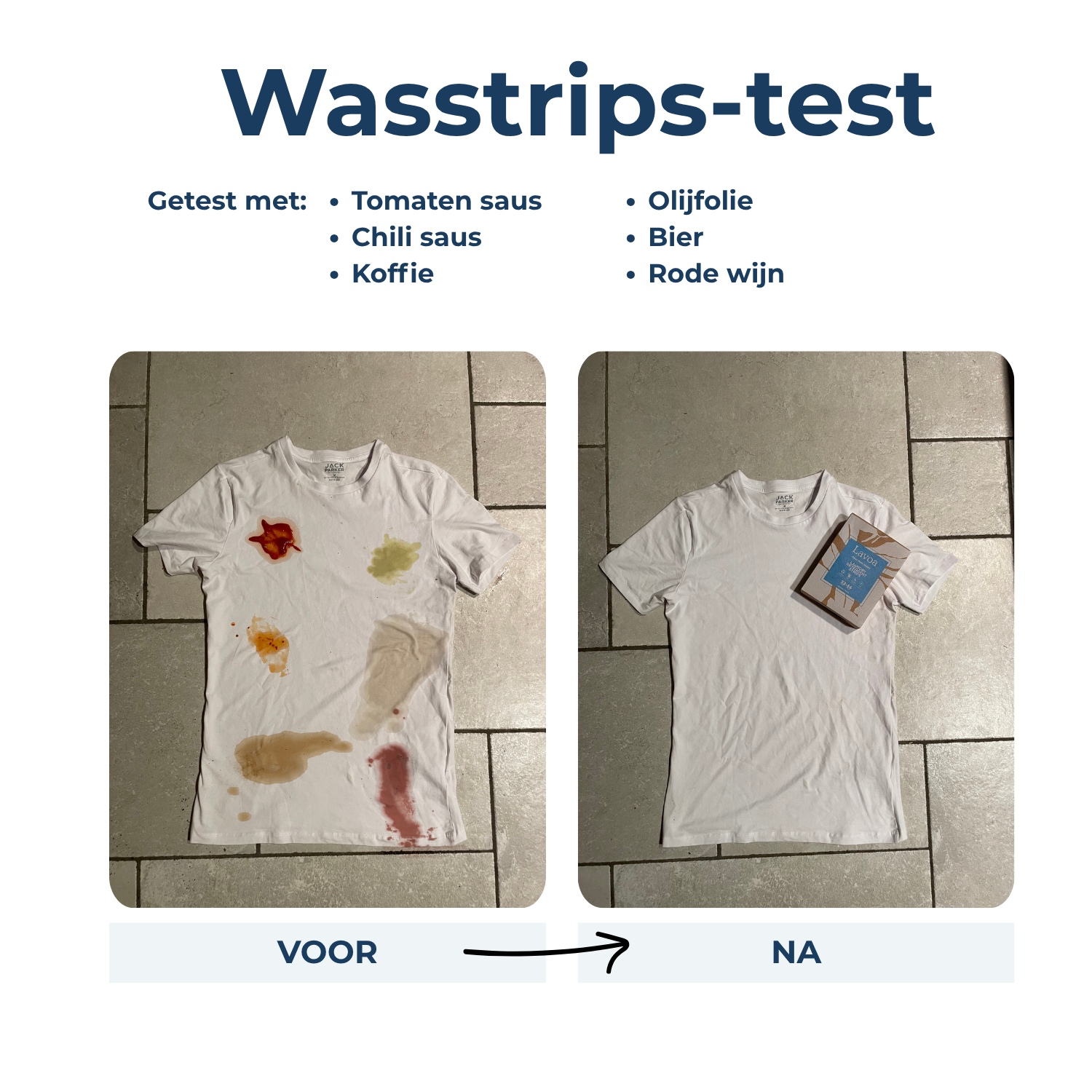
The Lavoa Fragrance-Free Laundry Strip is one strip per wash — no measuring, no risk of using too much. It contains no fragrance, no optical brighteners, and dissolves completely. For small loads of baby clothes, half a strip is enough.
- No perfume or fragrances
- No optical brighteners
- Dissolves completely — no residue in the fibres
- Always the right dosage
- Suitable from birth
Practical washing advice for the first few months
A few habits that make a difference for your baby's skin:
- Wash baby clothes separately from adults' clothes — especially during the first few weeks
- Use an extra rinse cycle if you are unsure whether the detergent has been completely rinsed out
- Wash at 40°C for everyday clothes, 60°C for bedding and cloths after illness
- Always wash new items before first use
- No fabric softener — including the "soft" or "baby" varieties
Frequently asked questions about washing baby clothes
Which detergent is safe for baby clothes?
Choose a fragrance-free, hypoallergenic detergent without optical brighteners or dyes. The detergent should dissolve completely and leave no residue in the fibres. A separate "baby detergent" is not necessarily needed — a fragrance-free laundry strip for adults meets the same criteria.
Can I use fabric softener for baby clothes?
No. Liquid fabric softener contains perfume and chemical softening agents that remain in the fibres and can irritate a baby's skin. Variants marketed as "soft" or "hypoallergenic" also contain fragrances. Do not use it for clothes that come into direct contact with your baby's skin.
What temperature should I wash baby clothes at?
40°C is sufficient for most baby clothes. Wash bedding, muslin cloths and clothes after illness at 60°C to effectively kill bacteria. Higher temperatures are rarely necessary and can damage the fibres.
Do I need to wash new baby clothes before use?
Yes. During production and storage, garments are treated with substances to keep them wrinkle-free. Those residues are still in the fibres when you take them out of the shop or packaging. Wash everything that comes into direct contact with your baby's skin before first use.
Can I wash baby clothes together with other laundry?
You can, but especially during the first few weeks, it is wiser to wash baby clothes separately. That way, you can be sure you are using the right detergent and that no fragrances from other clothes are transferred. As your baby gets older and reacts less sensitively, you can be more flexible.
Safe washing for the most sensitive skin
The fragrance-free laundry strip — no fragrances, no residue, always the right dosage. Suitable from birth.
View the fragrance-free laundry strip →