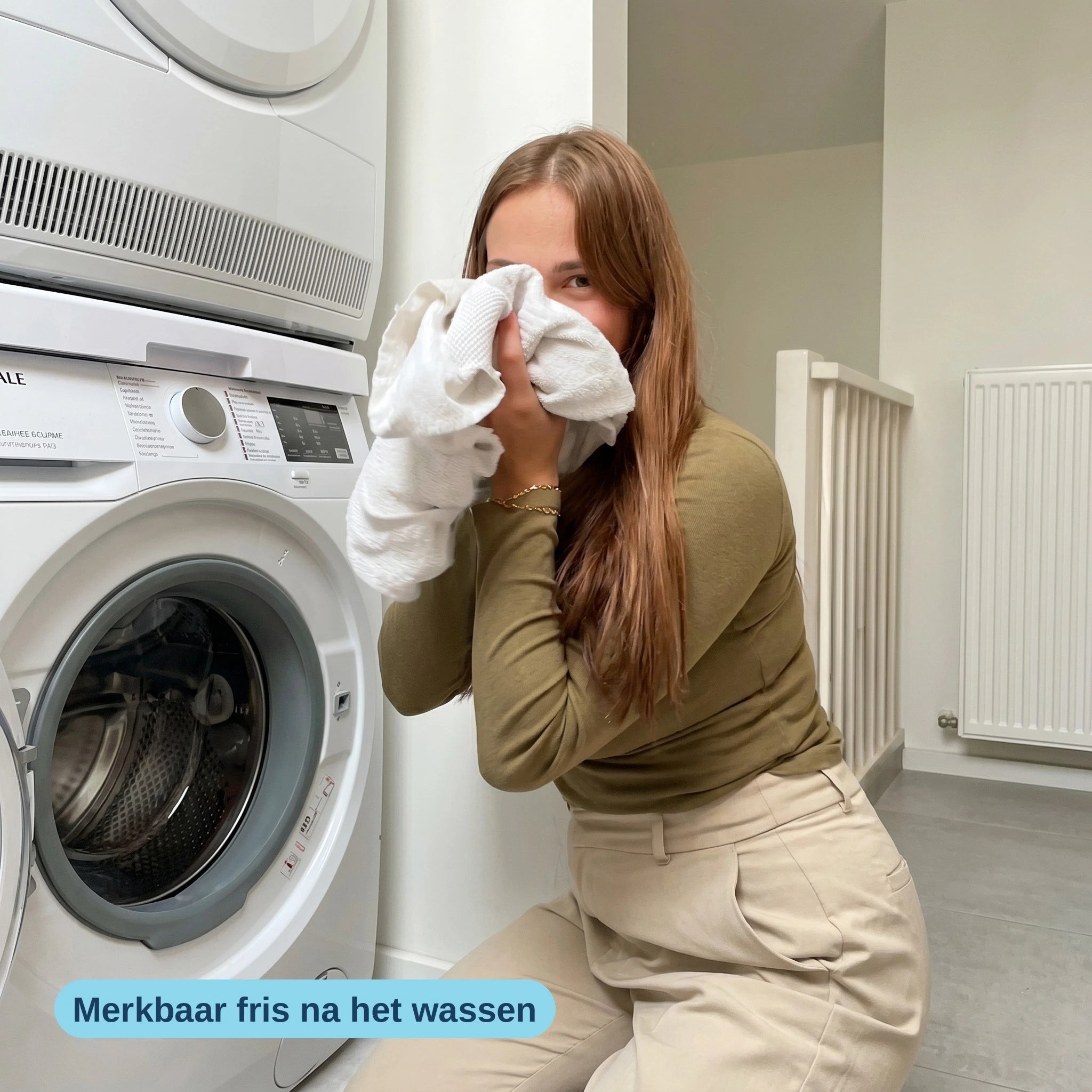
Towels that come out of the wash like a piece of cardboard — it is a classic. The cause is almost always the same, and so is the solution.
Why do towels become stiff?
Towels become stiff due to a combination of soap residue and limescale build-up in the fibres. When too much detergent is used, the machine does not rinse everything away — the residue builds up in the loops of the terry fabric and hardens. Limescale from the water intensifies this effect.
Fabric softener does the opposite of what you expect. It coats the fibres with a greasy layer that makes them feel softer temporarily, but reduces absorbency and attracts dirt in the long term. After a few months of using fabric softener, towels are less absorbent and get dirty faster.
The two culprits at a glance
Soap residue
- Caused by using too much detergent
- Builds up in the terry fibres
- Hardens when drying
- Attracts dirt and bacteria
Limescale build-up
- Comes from hard tap water
- Settles in the fibres
- Amplifies the effect of soap residue
- Reduces absorbency
How do you wash towels properly?
The approach is simpler than most people think. Less detergent, no fabric softener, a higher temperature and proper drying — those are the four things that make the difference.
- Wash at 60°C — this effectively removes grease, bacteria and soap residue
- Use less detergent than you are used to — or one laundry strip
- No fabric softener — it reduces absorbency and accelerates stiffness
- Set an extra rinse cycle if your machine supports it
- Hang them up or put them in the dryer immediately after washing — do not leave them lying around
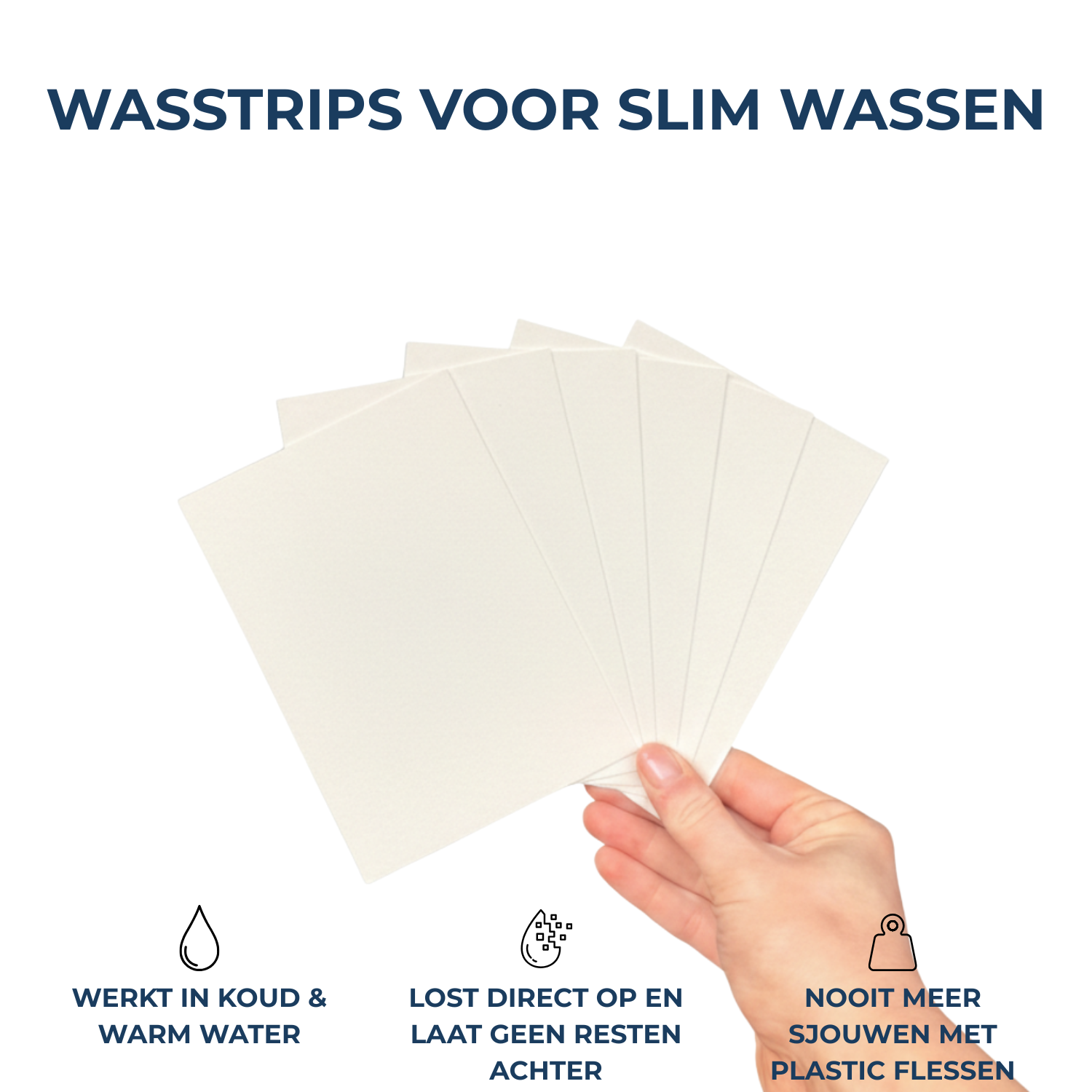
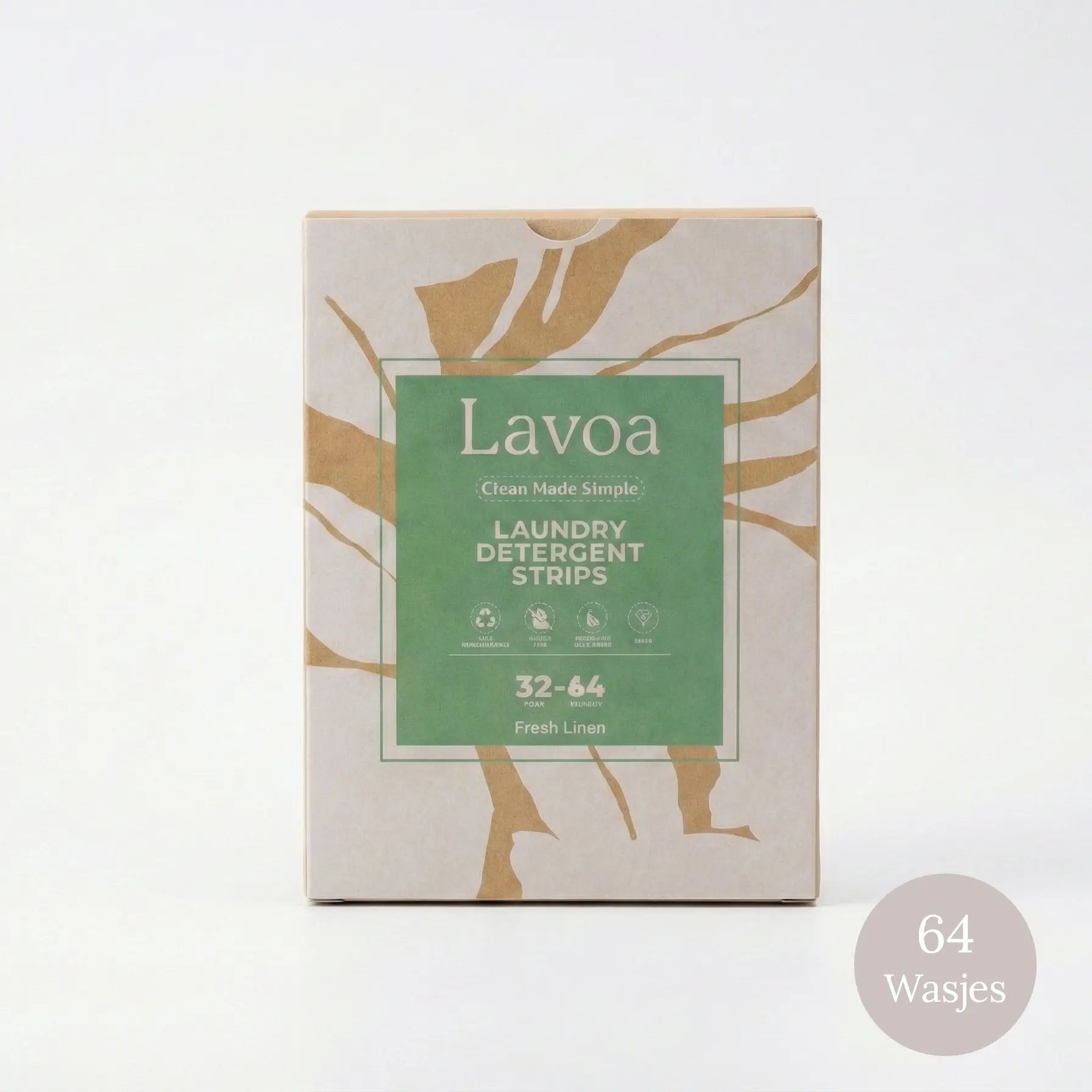
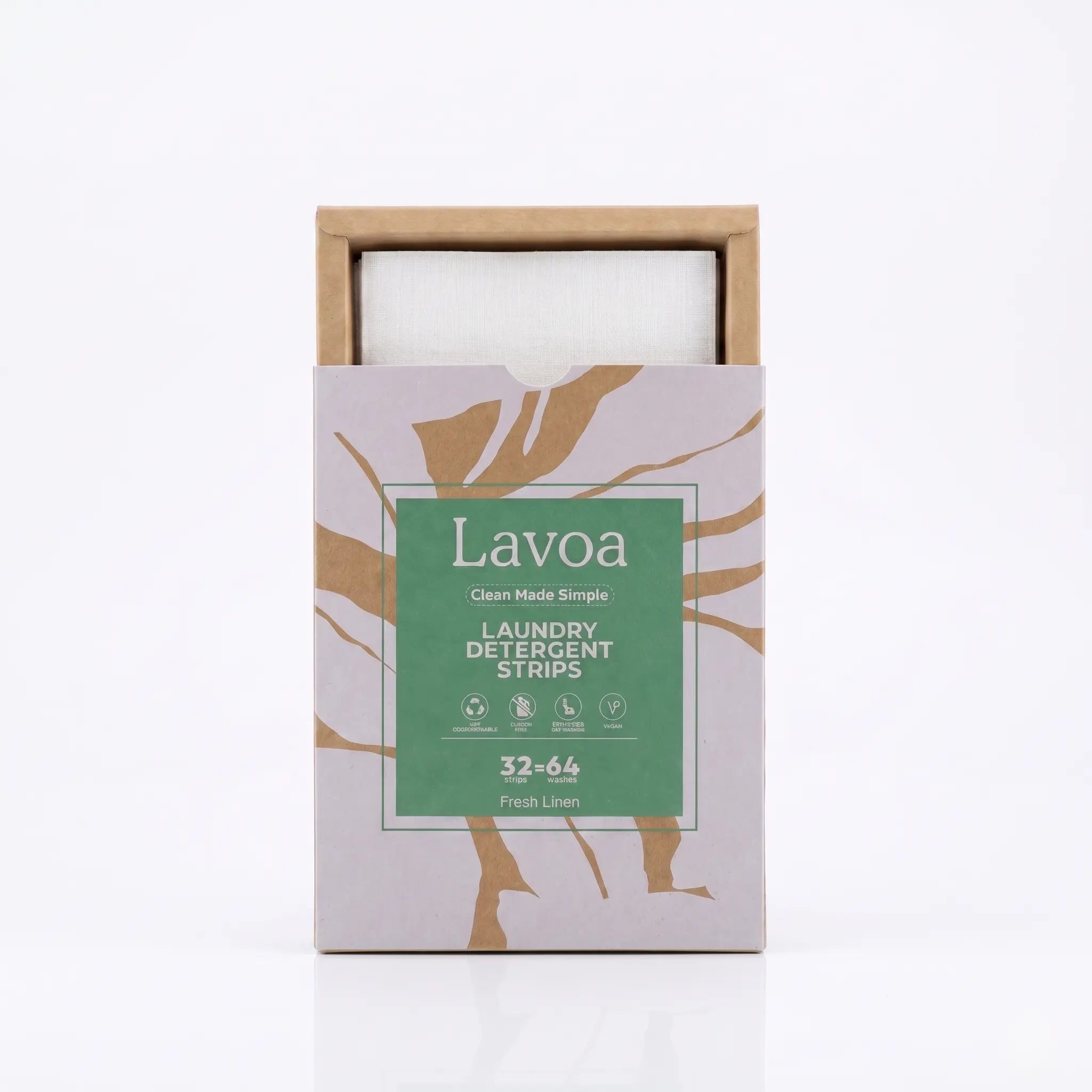
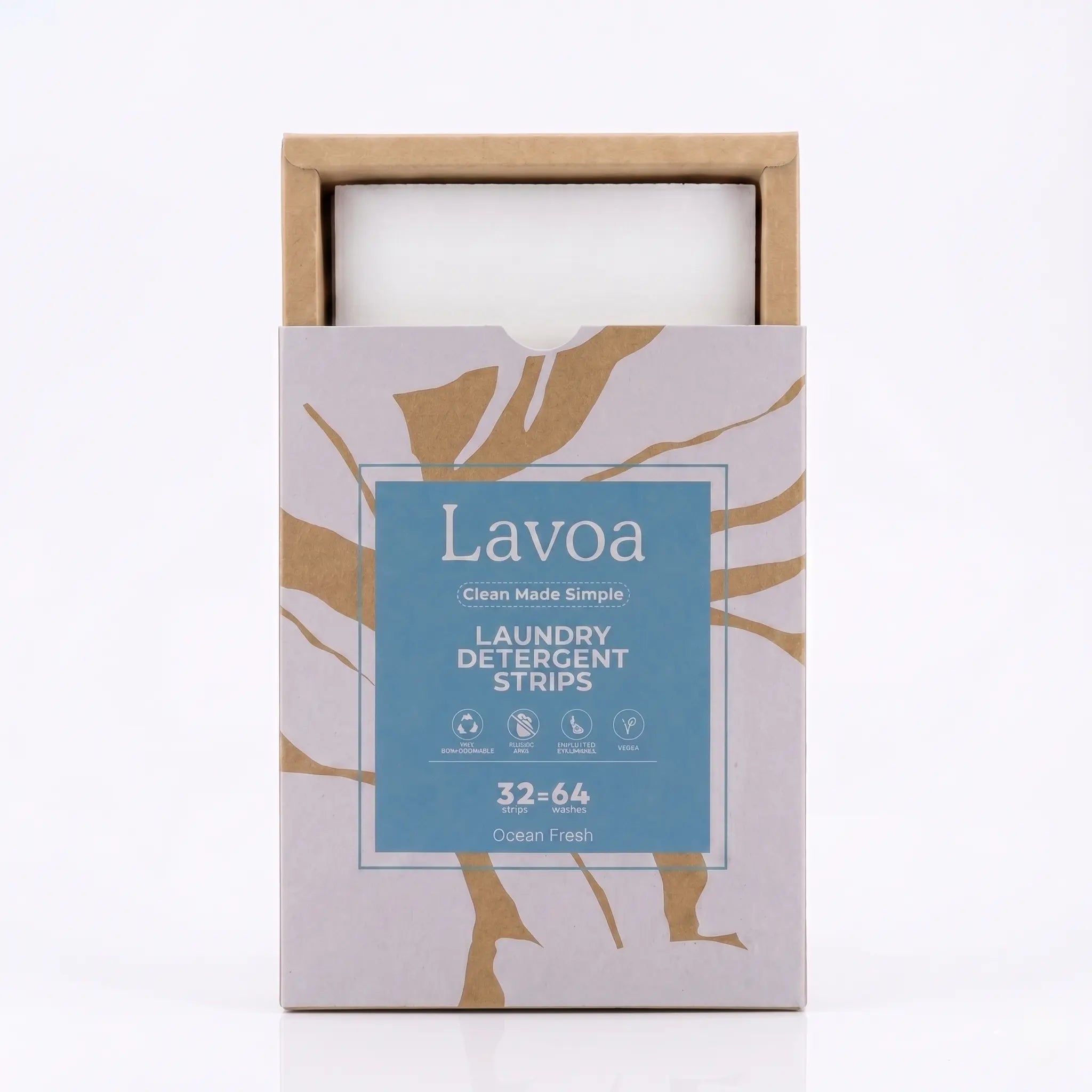
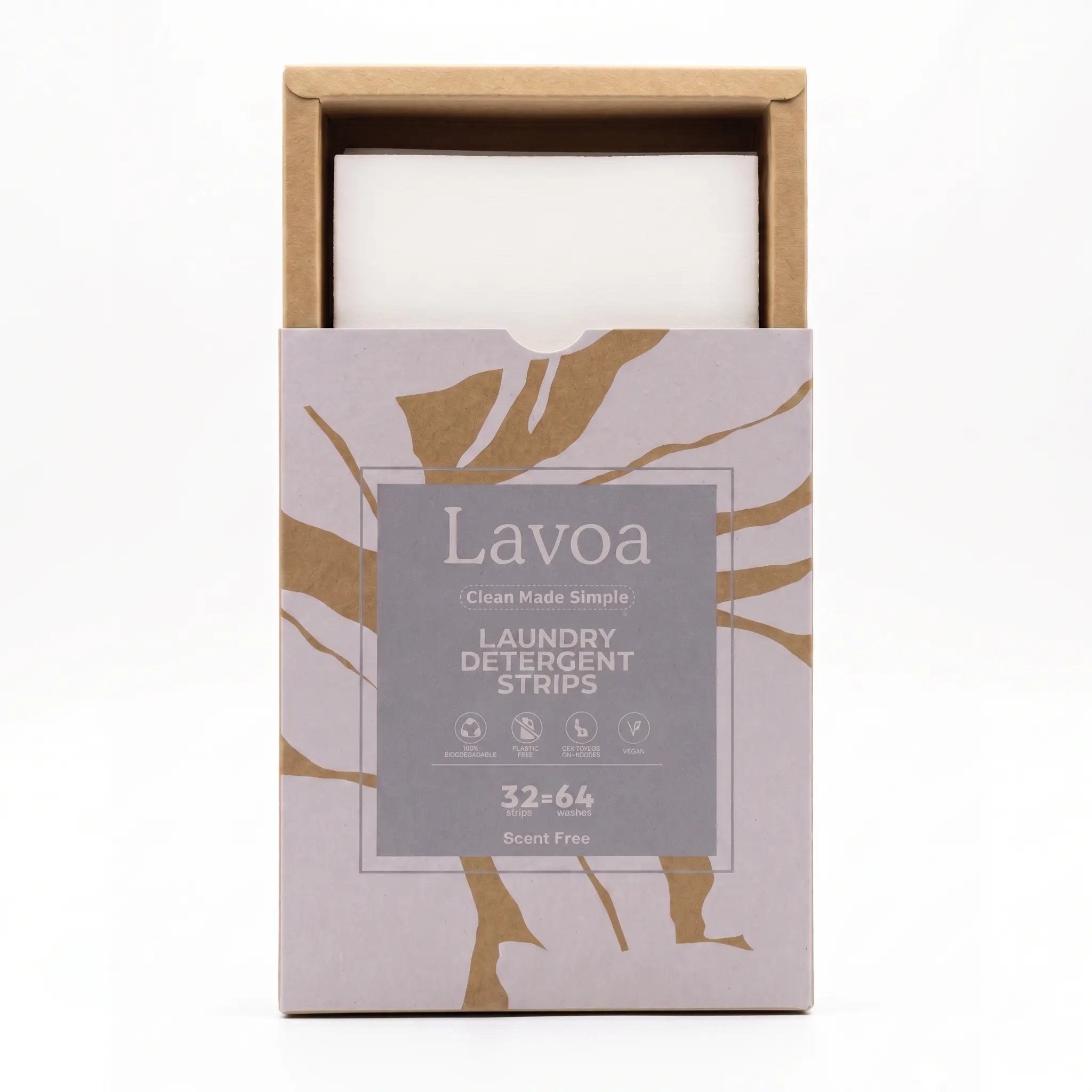
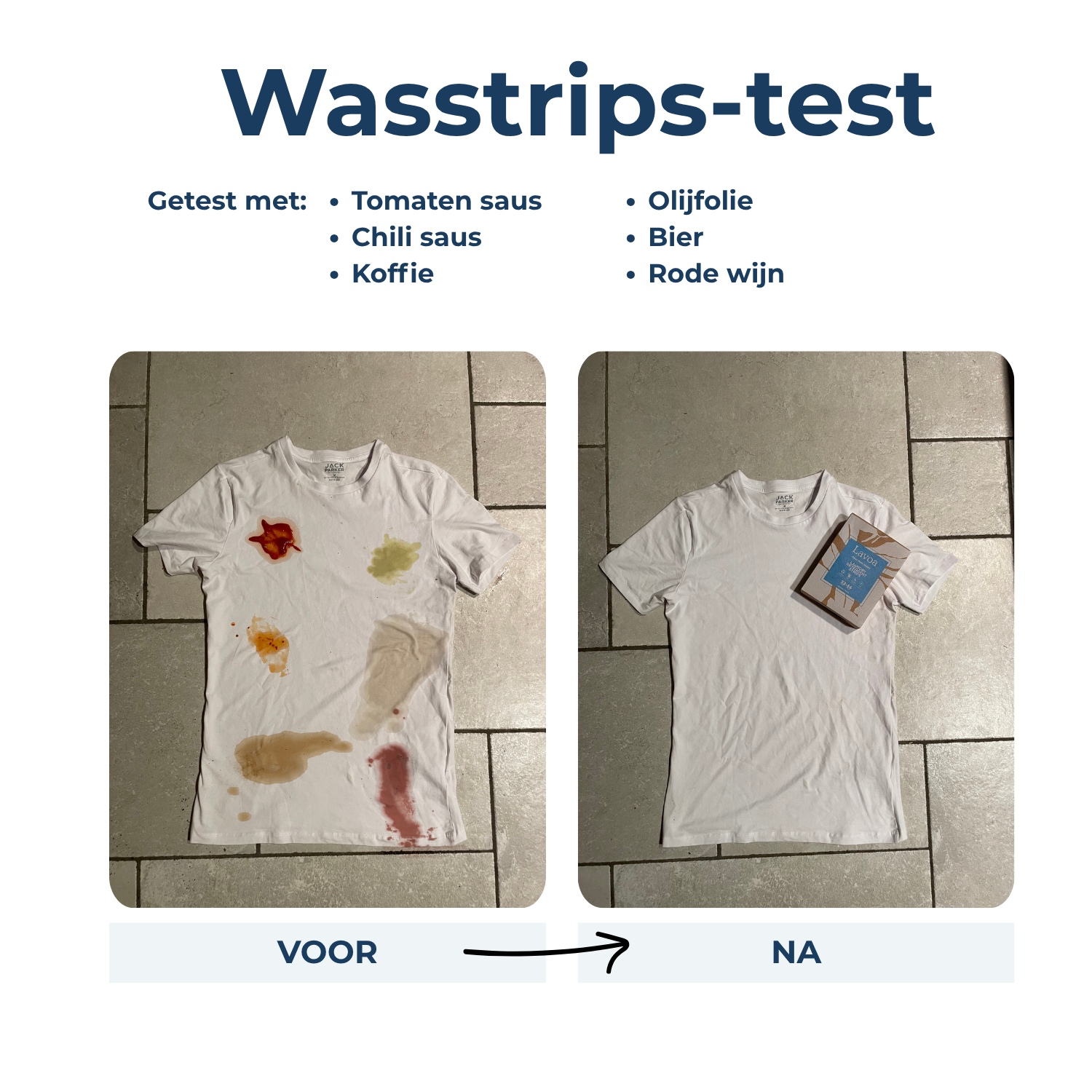
A laundry strip always provides the right dosage without residue — exactly what towels need. No fabric softener required, and no build-up in the fibres.
How to make stiff towels soft again
Already stiff? There is probably a layer of soap residue and limescale in the fibres. This can be removed with a descaling and residue wash:
Put the towels in the machine without detergent or fabric softener. Add a splash of white vinegar to the detergent compartment and run a cycle at 60°C. The vinegar dissolves limescale and soap residue. Then run a normal 60°C wash with a laundry strip — no fabric softener. After drying, most towels will feel noticeably softer.
Repeat this once a month as maintenance if you live in a hard-water region.
Drying: it matters too
Towels that dry slowly in a damp room become musty and stiff. Hanging them up immediately after washing in a well-ventilated room or outside is best. Using the dryer on a low setting also works well — the friction from drying loosens the loops and produces a softer result than air-drying.
Shake the towel out before hanging it up or putting it in the dryer — this loosens the fibres and improves the final result.
How often should you wash towels?
After three to four uses is a good guideline for bath towels. Daily washing is not necessary — a towel used on a clean body does not get dirty quickly. Hanging it in a suitable place so it can dry completely between uses is more important than how often you wash it.
Kitchen towels need to be washed more often — they come into contact with raw food and should be washed every day or every other day at 60°C.
Frequently asked questions about washing towels
Why do towels become stiff after washing?
Stiff towels are caused by soap residue and limescale deposits in the terry fibres. Using too much detergent is the most common cause — the residue left behind hardens when drying. Fabric softener does not solve the problem; it makes it worse in the long term.
Can I use fabric softener with towels?
We advise against it. Fabric softener leaves a greasy layer over the fibres, reducing the absorbency of towels. They feel softer in the short term, but after a few months they absorb less and get dirty more quickly. Do not use fabric softener with towels or terry cloth.
What temperature should I wash towels at?
60°C is ideal for towels. It effectively removes grease, sweat, bacteria and soap residue. 40°C is suitable for everyday use, but run a 60°C wash regularly to prevent residue and bacteria from building up.
How can I soften stiff towels again?
Wash them without detergent at 60°C with a splash of white vinegar in the detergent compartment. The vinegar dissolves limescale and soap residue. Then run a normal 60°C wash with a laundry strip — no fabric softener. After drying, most towels will feel noticeably softer.
How often should I wash towels?
Bath towels after three to four uses. Hang them fully spread out after use so they can dry properly — a towel that does not dry promotes bacterial growth more quickly. Kitchen towels daily or every other day at 60°C.
Does the dryer help soften stiff towels?
Yes. The tumbling action in the dryer loosens the terry loops and produces a softer result than air-drying. Use a low setting — high temperatures can damage the fibres. Adding a few tennis balls enhances the effect even further.
Soft towels without fabric softener
Laundry strips always provide the right dosage — no soap residue in the fibres, no stiff towels.
View the laundry strips →