Your rain jacket keeps you dry — until at some point it no longer does. That is almost never due to the jacket itself, but to how you washed it. The coating is still intact, but it no longer works.
Why your rain jacket loses its water repellency
Most rain jackets are treated with a DWR coating — Durable Water Repellency. This coating makes water bead up and roll off the fabric instead of soaking in. Over time, the coating becomes saturated with dirt, body oils, and soap residue. Water droplets then soak into the fabric, and the jacket feels heavy and cold — even though it is technically not leaking.
The two biggest culprits: fabric softener and too much detergent. Both leave a layer on the fibers that covers the DWR coating. The coating is still there, but it can no longer do its job.
What you should never use on a rain jacket
✗ Never use
- Fabric softener — blocks the DWR coating
- Too much detergent — residue on the fibers
- Detergent with optical brighteners
- Strongly alkaline detergents
- Dry cleaning unless the label says otherwise
✓ Use
- Small amount of residue-free detergent
- Extra rinse
- Low temperature — 30°C
- Gentle cycle
- DWR impregnation product after washing
Washing a rain jacket: step by step
-
Check the label Most rain jackets can be machine-washed at 30°C or 40°C. Some can only be hand-washed. A crossed-out washtub symbol means take it to the dry cleaner. Close all zippers and fasteners before washing — otherwise they can damage other garments and the drum.
-
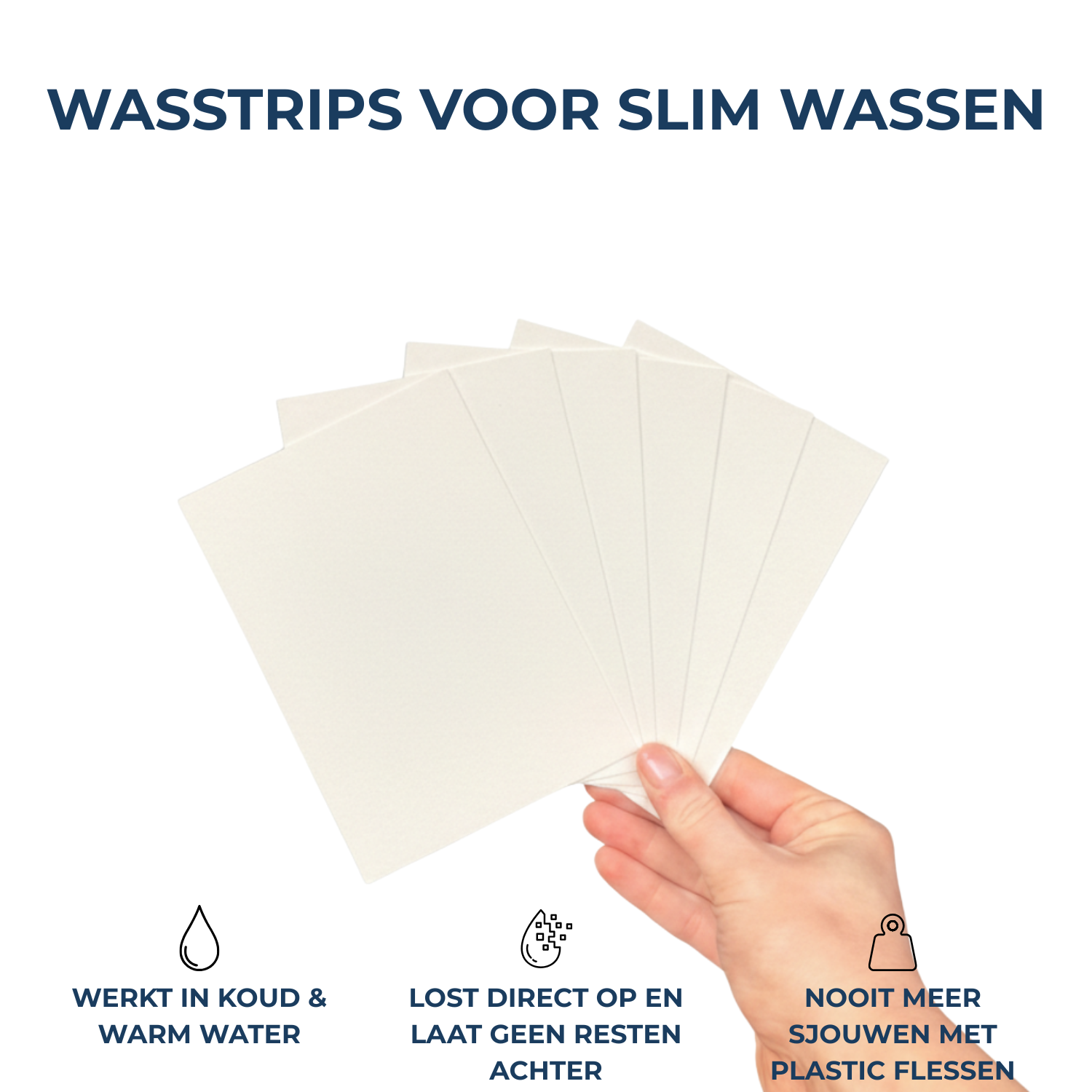
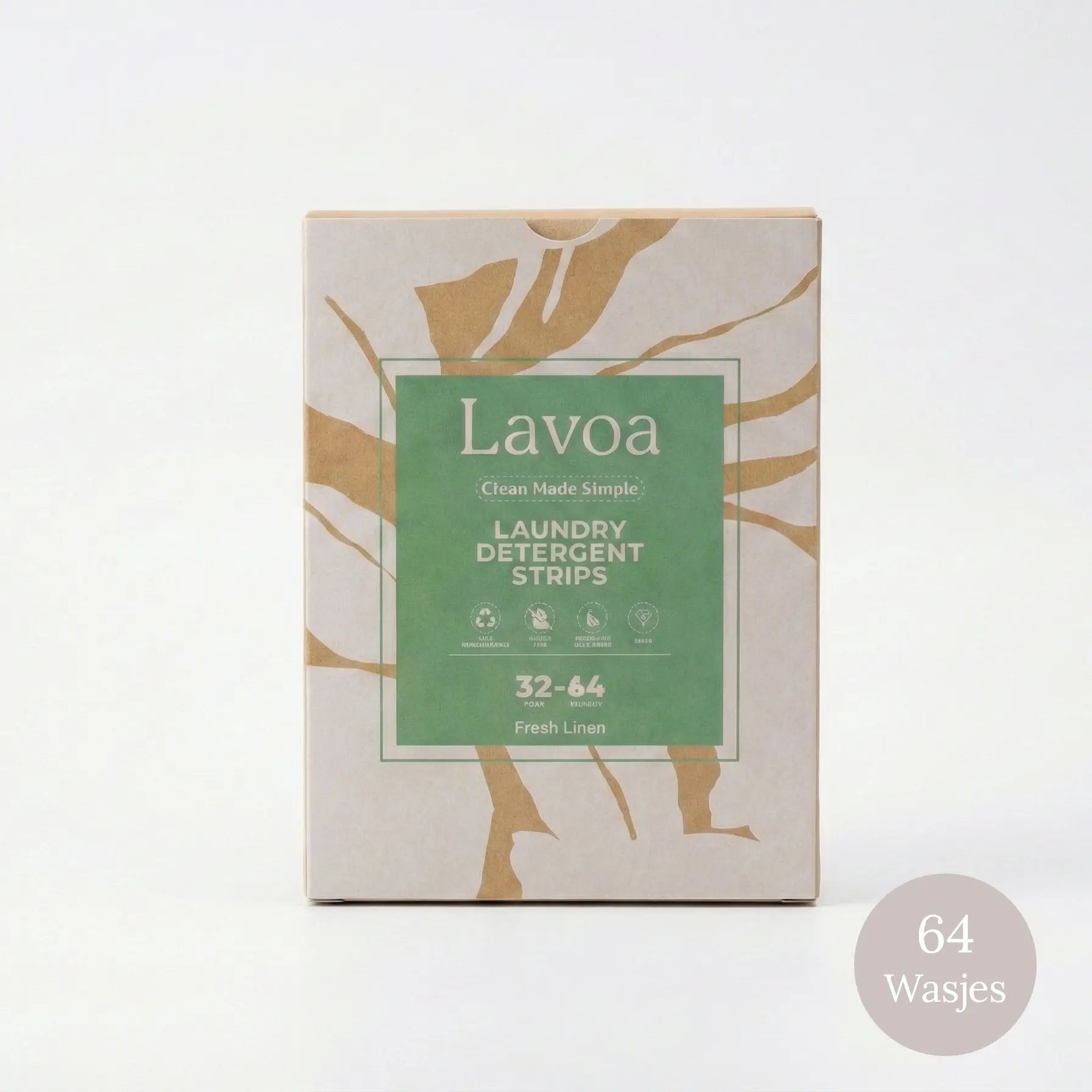
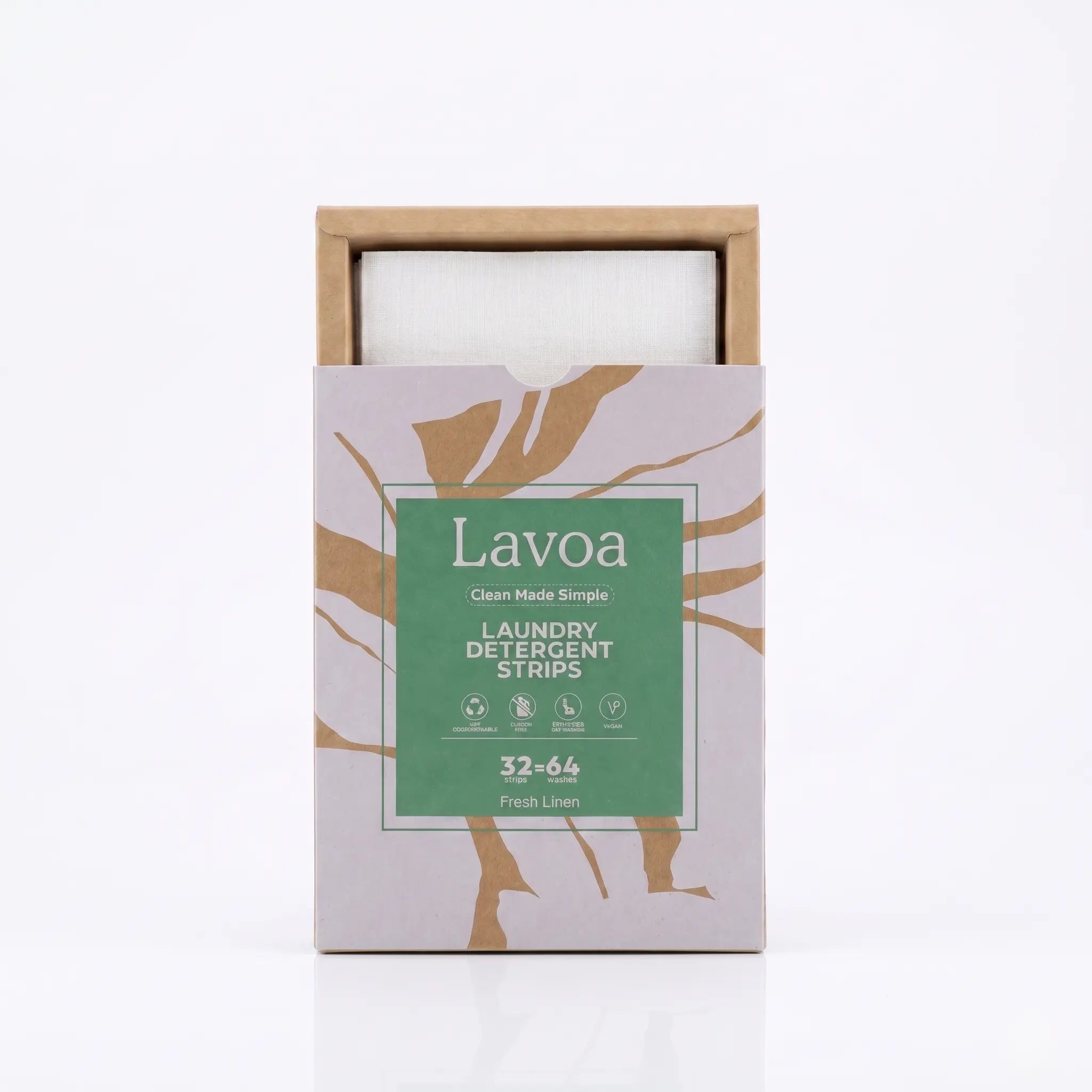
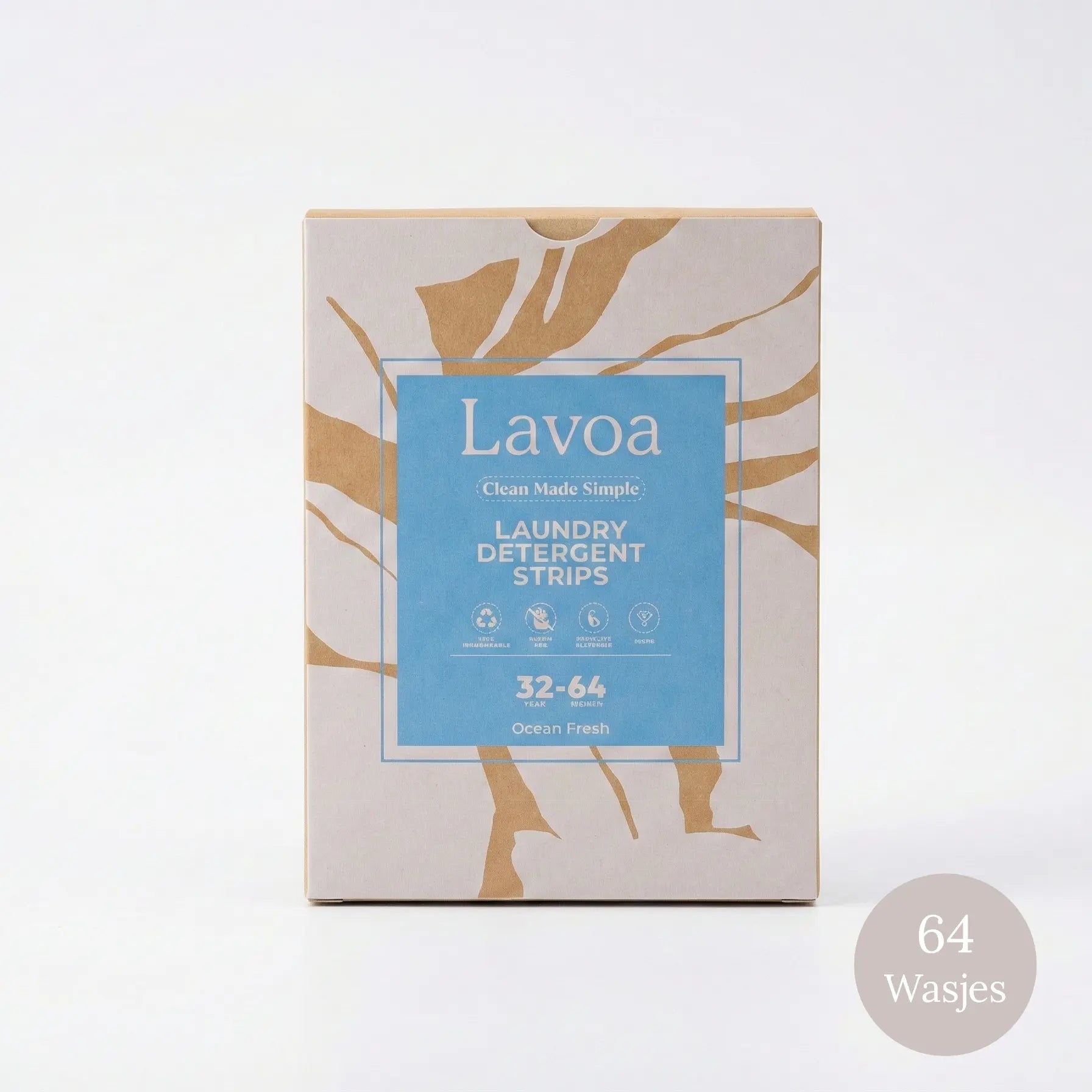
Choose the right detergent Use a small amount of detergent without fabric softener — half a laundry detergent sheets is enough. Do not add fabric softener, not even to the separate compartment. Laundry detergent sheets contain no fats or softeners that block the DWR coating.
-
Wash at 30°C on a gentle cycle Use the sportswear, delicate, or gentle cycle. Set an extra rinse if your machine supports it — this helps prevent soap residue from remaining on the coating.
-
Reactivate the DWR coating with heat After washing, you can reactivate the coating with heat. Put the jacket in the dryer for 20 minutes on a low setting, or iron it on a low setting with a dry cloth between the iron and the jacket. The heat reactivates the DWR molecules. This is sufficient if the coating itself is still intact.
-
Waterproof when the coating is worn out Does water still fail to bead properly after washing and heating? Then the DWR coating is worn out, and waterproofing is worthwhile. Use a DWR spray or wash-in waterproofing product specifically for technical outdoor clothing. Follow the instructions on the packaging.
Splash some water onto the jacket after washing. Does it bead up into droplets? Then the coating is still working. Does it soak into the fabric? Then reactivation with heat or waterproofing is needed.
How often should you wash a rain jacket?
Less often than many other garments - and never more often than necessary. Every wash wears the DWR coating down a little further. Wash your rain jacket only when it is visibly dirty or starts to smell. Regularly airing it out after use significantly extends the time between washes.
At the start of the rainy season - now - a thorough wash followed by reactivation or waterproofing is the right preparation.
Waterproofing: when is it necessary?
Waterproofing is only useful when the DWR coating is actually worn out - not when it is merely clogged with dirt and residue. First try washing and reactivating it with heat. If water still soaks into the fabric afterward, the coating is worn out and a DWR waterproofing product will help.
There are two types: spray-on and wash-in waterproofing. Spray-on works for light surface treatment. Wash-in waterproofing penetrates deeper into the fibers and is more suitable for heavily used technical jackets. Always follow the product instructions.
- Wash and reactivate with heat first - only waterproof if that doesn't help
- Use a DWR product specifically for technical outdoor clothing
- Spray for light use, wash-in for intensive use
- Reactivate with heat or a dryer after waterproofing
Frequently asked questions about washing a rain jacket
Can a rain jacket go in the washing machine?
In most cases, yes - at 30°C on a cleaning cycle. Check the care label. Close all zips and fasten all hook-and-loop closures before washing. Use a small amount of detergent without fabric softener and select an extra rinse cycle. Never use fabric softener - it blocks the DWR coating.
Why is my rain jacket no longer water-repellent?
The DWR coating is probably clogged with dirt, body oils or soap residue - not necessarily worn out. Wash the jacket at 30°C without fabric softener and then reactivate the coating with heat: 20 minutes on a low dryer setting or iron on low with a cloth between the iron and the jacket. If water still soaks in afterwards, it needs to be treated.
Can I use fabric softener on a rain jacket?
No. Fabric softener leaves a greasy layer over the fibres that covers the DWR coating. The coating then stops working, even though it is technically still intact. Never use fabric softener on rain jackets or other technical outdoor clothing.
How do I waterproof a rain jacket?
First wash the jacket clean at 30°C without fabric softener. Then reactivate the coating with heat. If water still soaks in afterwards, apply a DWR treatment product - spray for surface treatment, wash-in treatment for deeper protection. After treating it, reactivate it again with heat or for 20 minutes on a low dryer setting.
How often should I wash a rain jacket?
Only if it is visibly dirty or starts to smell. Each wash wears down the DWR coating a little further. Airing it out after use extends the time between washes. Giving it a thorough wash with reactivation at the start of the rainy season is a good habit.
Can a rain jacket go in the dryer?
On a low setting, yes - and it is even recommended after washing. The heat reactivates the DWR coating. 20 minutes on low is sufficient. A high setting is too hot for most technical fabrics and can damage the coating.
How to wash a rain jacket without ruining the coating
Half a laundry strip — no fabric softener, no residue, no clogging of the DWR coating. Ready for the rainy season.
View the laundry strips →