Washing a duvet seems more complicated than it is. The biggest risk isn't in the washing itself, but in what happens afterwards — or rather, what doesn't happen: drying it properly.
Does your duvet even fit in the machine?
That's the first question — and most people skip it. A duvet that's packed too tightly into the drum won't wash properly and will dry even worse. Damp filling that doesn't dry completely is a direct route to mould and a musty-smelling duvet.
Rule of thumb: does the duvet fit loosely in the drum with the door closed, without having to stuff it in? Then the machine is large enough. For a synthetic double duvet, you need a machine with a capacity of at least 8 kg. For a heavy down double duvet, you will soon need 10 kg — and in that case, a launderette with a large drum is often the better choice.
✓ Wash at home
- Synthetic duvet, machine ≥ 8 kg
- Light down duvet (single)
- Label says machine washing permitted
✗ Launderette or dry cleaner
- Heavy down duvet (double)
- Wool duvet
- Machine smaller than 8 kg
- Label says dry-cleaning or hand-washing
Washing a synthetic duvet
Polyester filling is the least fussy. Washable at 40°C, on a normal programme with a low spin speed. Don't use too much detergent — soap residue in the filling causes clumps and makes the duvet less fluffy.
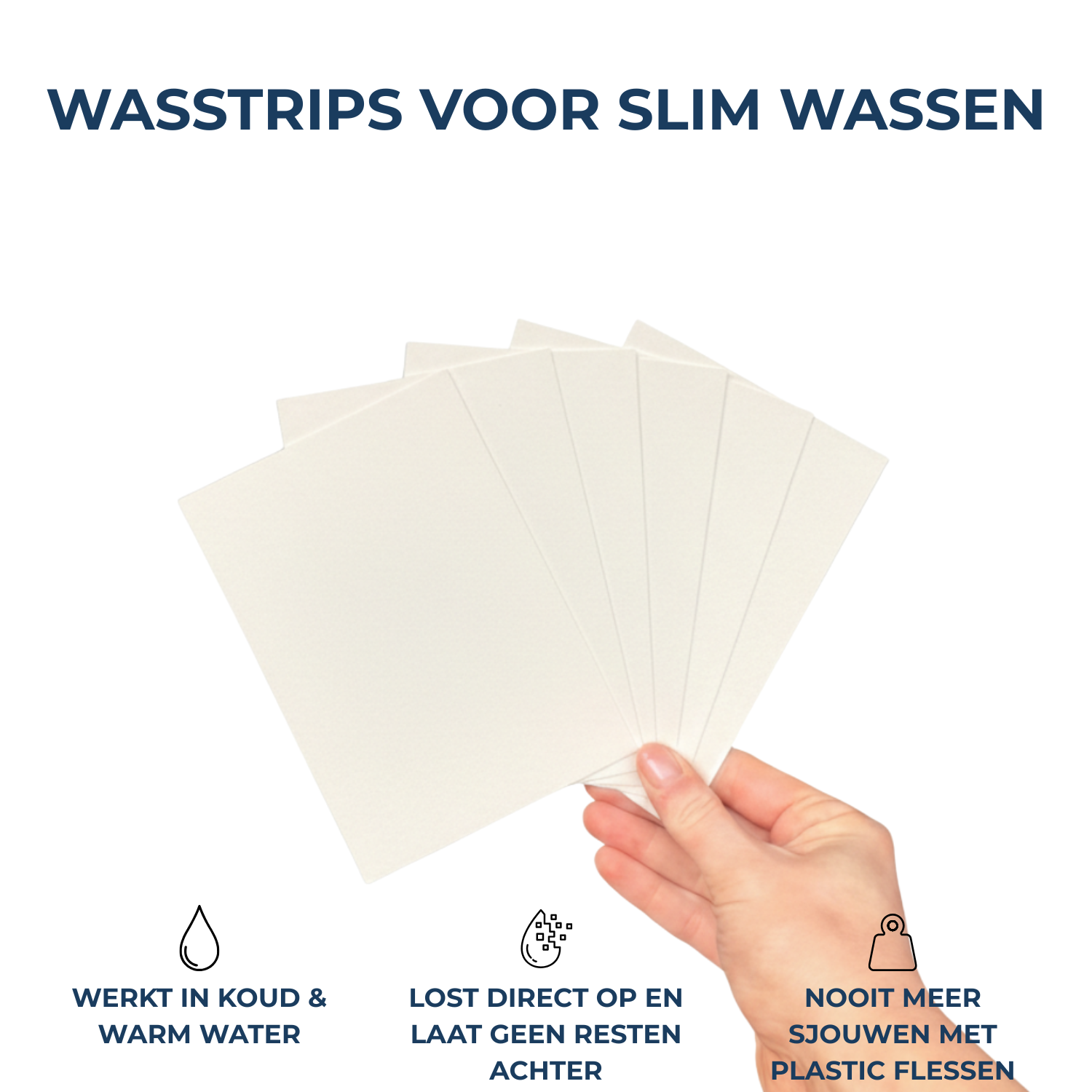
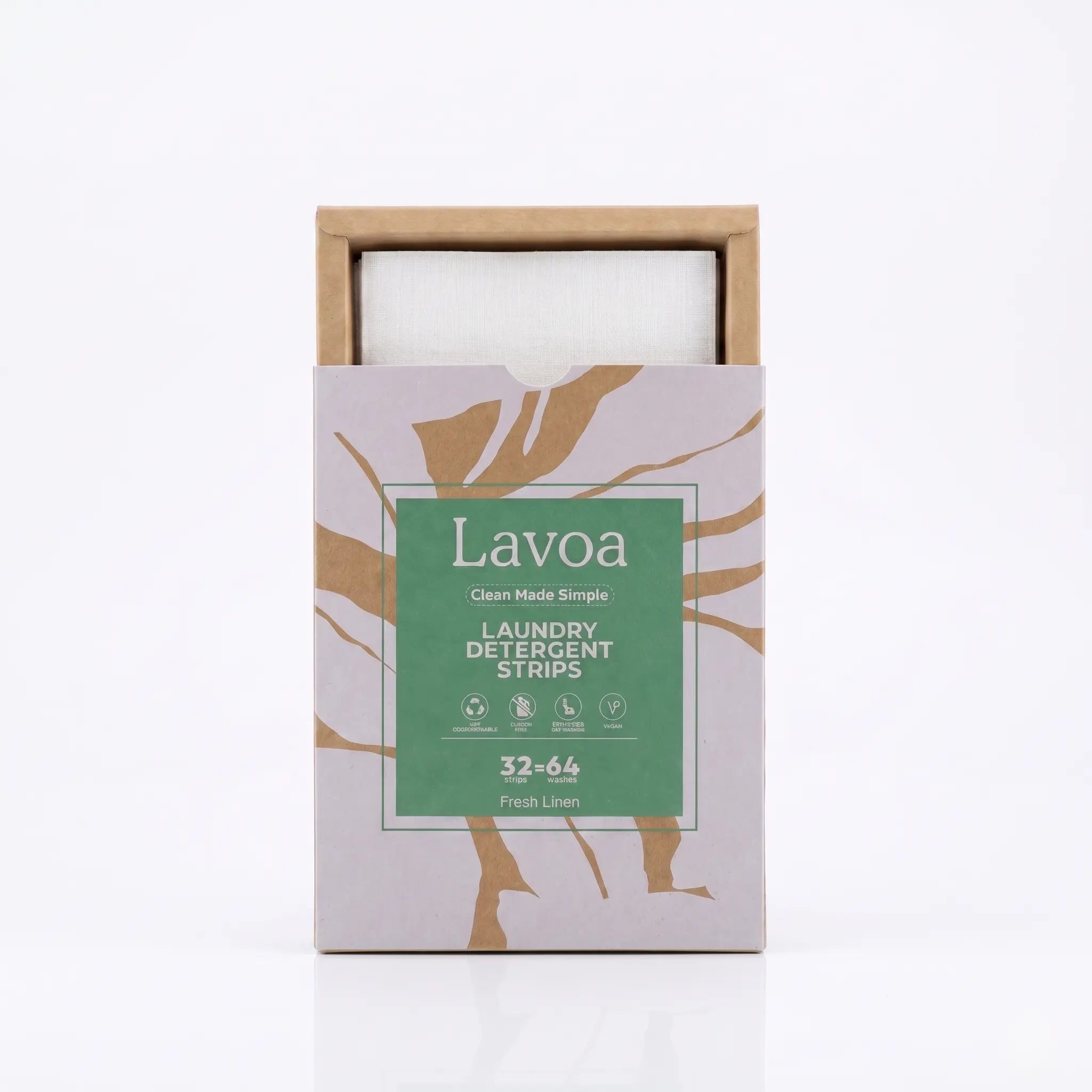
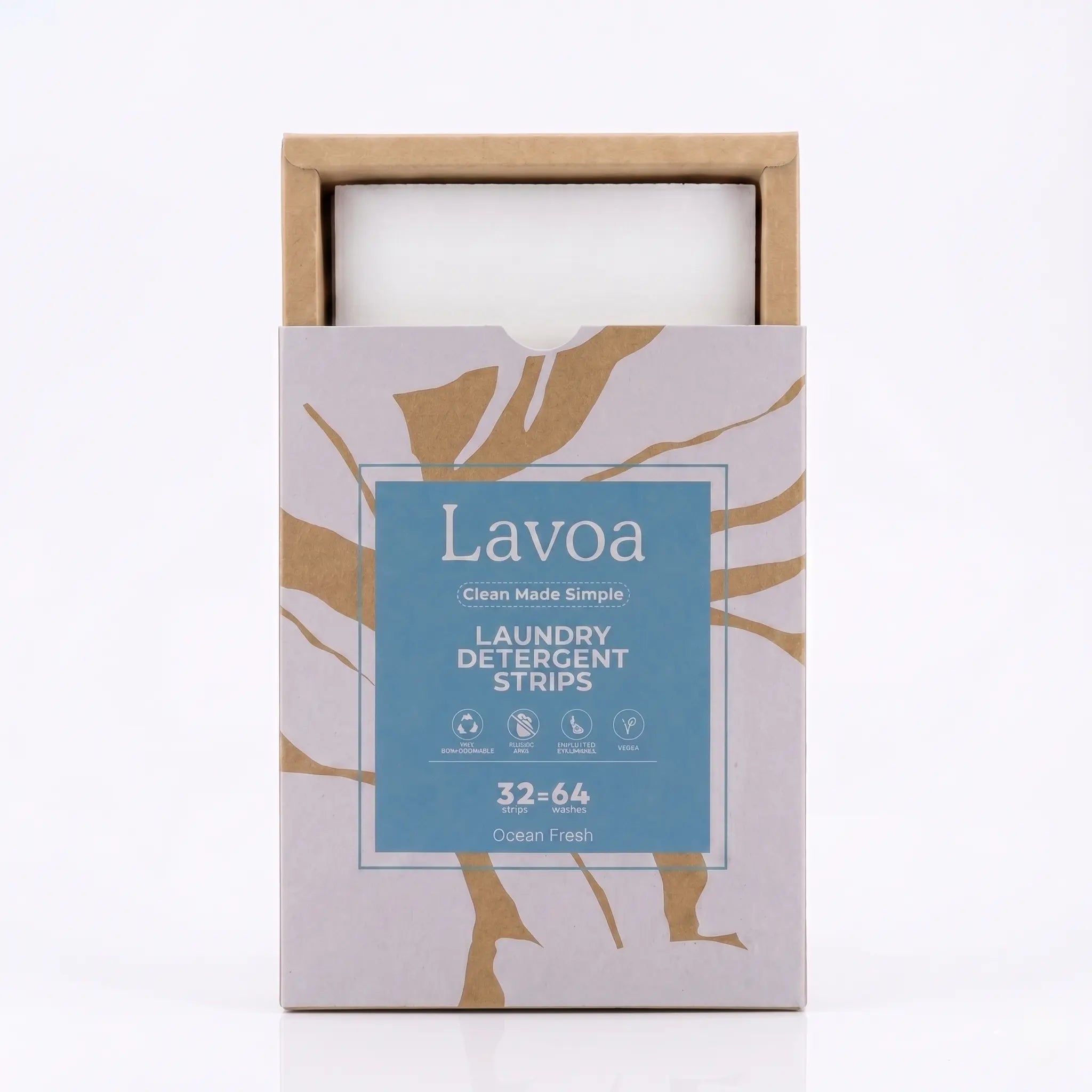
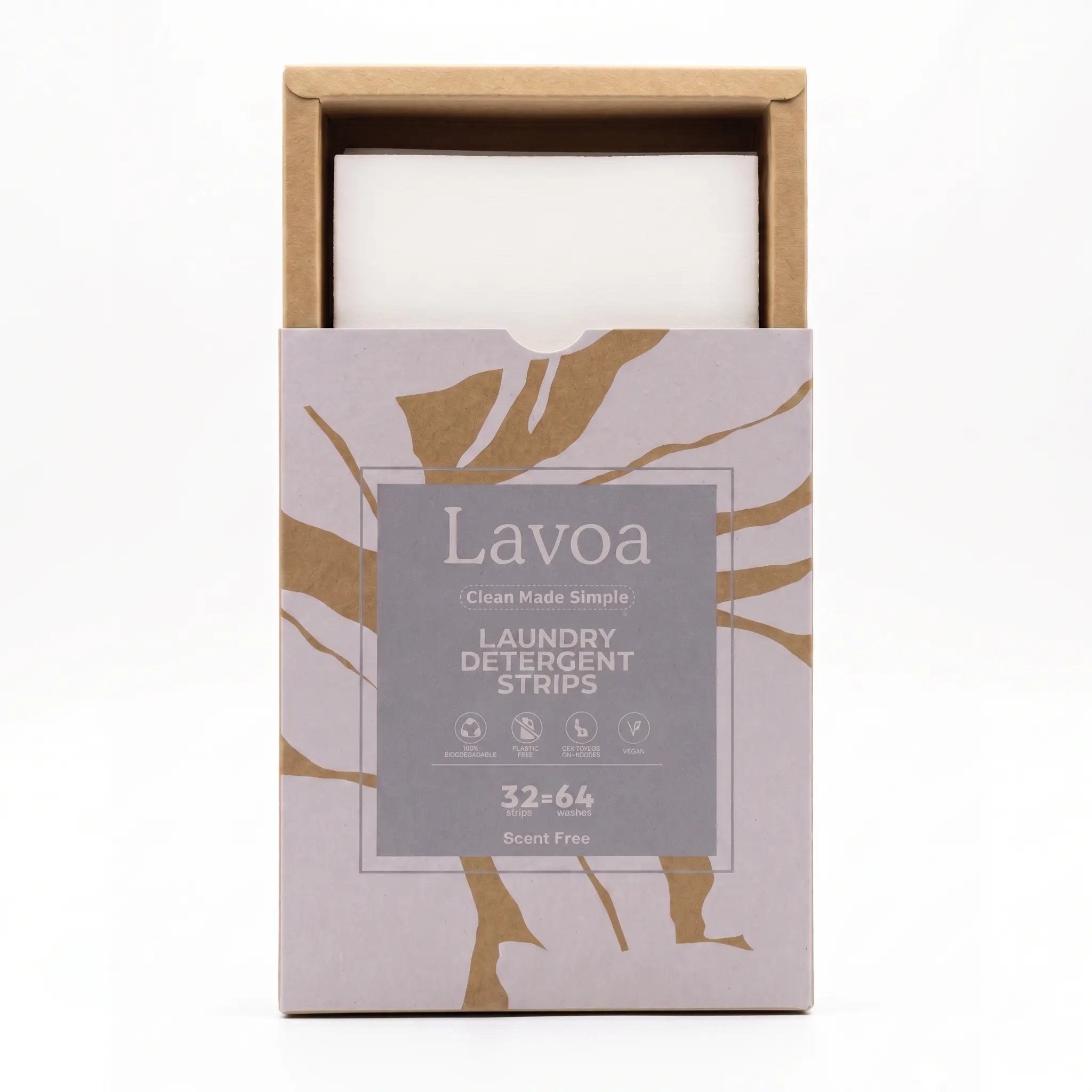
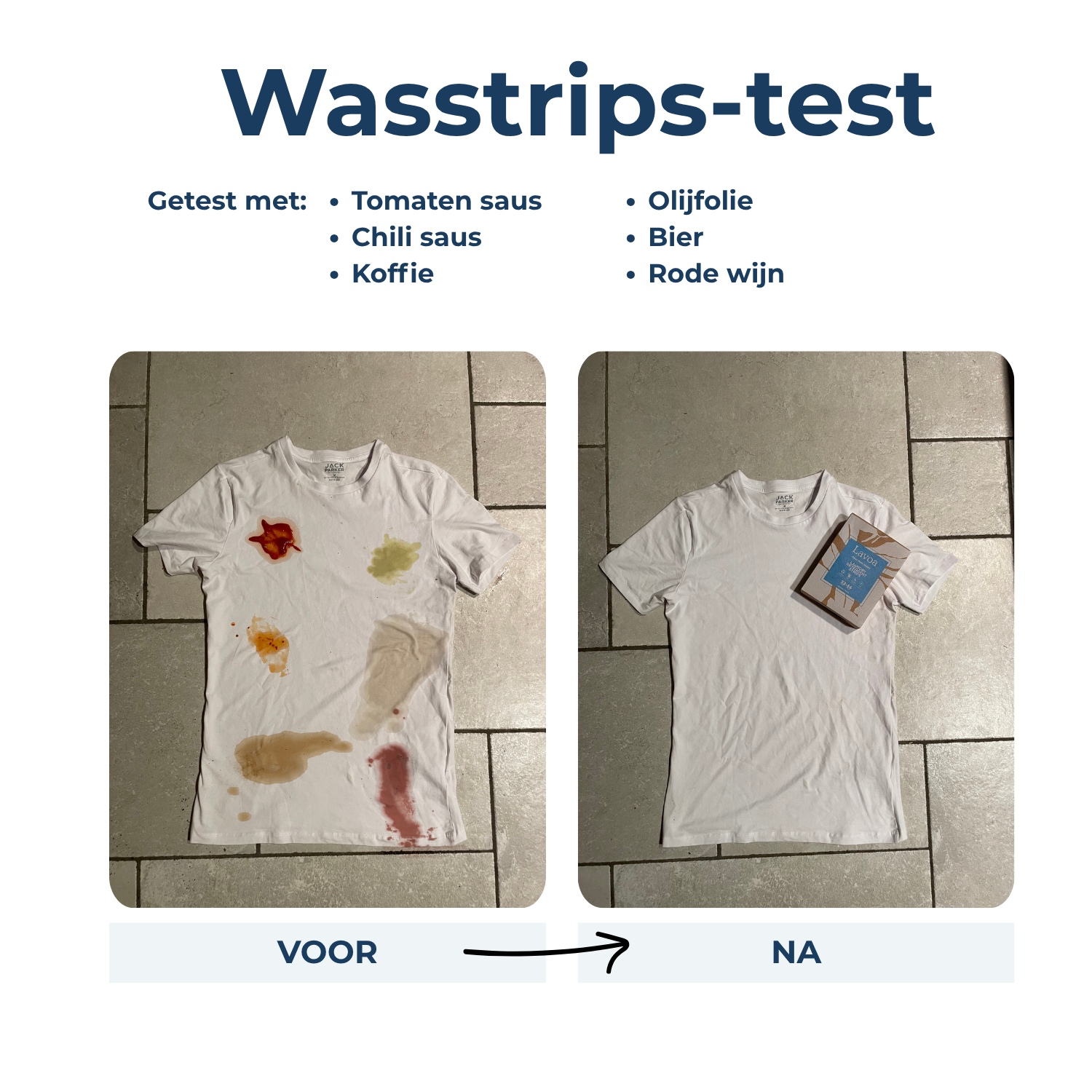
A laundry strip is ideal here: always the right dosage, no residue, and it dissolves completely. Simply put it in the drum with the duvet.
Add two clean tennis balls to the drum. They keep the filling loose during both washing and drying, helping the duvet stay fluffy.
Washing a down duvet
Down is more delicate, but certainly not impossible to wash at home. Wash at 40°C on a delicate or down programme. Use little detergent — half a laundry strip is enough. High spin speeds aren't necessary and put unnecessary strain on the filling.
The critical moment is drying. Down must be completely dry before you store or use it — this takes longer than you think. The inside may still feel damp while the outside already feels dry. Check by firmly squeezing the filling. Still damp? Put it through another dryer cycle.
Drying without a dryer
Don't have a dryer? Hang the duvet horizontally over two clothes airers or on a large drying rack, so the filling gets air on all sides. Move it regularly and knead the filling loose to prevent clumps. Allow a full day for drying at room temperature.
Washing a wool duvet
Wool is the most delicate. Maximum 30°C, wool programme, minimal spinning. Dry flat — never hang it up, as wool stretches under its own weight. For an expensive or delicate wool duvet, dry cleaning is the safest option.
How often should a duvet be washed?
Two to four times a year is sufficient for most people. If you use a duvet cover that you wash weekly, the duvet itself stays clean for longer. Doctors recommend washing it more often if you have a dust mite allergy — washing it at 60°C every six to eight weeks effectively kills dust mites.
- Normal use: 2–4 times a year
- Dust mite allergy: every 6–8 weeks at 60°C
- Duvet cover: weekly at 40–60°C
- After illness: wash immediately at 60°C
Frequently asked questions about washing duvets
Can I wash a down duvet at home?
Yes, provided your machine is large enough and the label allows machine washing. Wash at 40°C on a delicate or down programme with a small amount of detergent. Drying is the critical part — down must be completely dry before you use it, otherwise mould can develop in the filling.
How large does my machine need to be for a duvet?
At least 8 kg for a synthetic double duvet. A heavy down double duvet can easily require 10 kg. Does the duvet fit loosely in the drum without being stuffed in? Then the machine is large enough. Otherwise: laundrette.
My duvet smells musty after washing — what went wrong?
It probably wasn’t completely dry before you used or stored it. Damp filling smells musty and can develop mould. Put it back in the dryer on a low setting with tennis balls, or hang it on a large drying rack in a warm place for a day. Check that it is completely dry by firmly squeezing the filling.
What temperature should I wash a duvet at?
Synthetic: 40°C. Down: 40°C on a delicate or down programme. Wool: maximum 30°C on a wool programme. For hygienic washing in case of allergies: 60°C, but check the label — not all duvets can withstand this.
What do I use the tennis balls for in the dryer?
Tennis balls hit the filling during drying, breaking up clumps and keeping the filling fluffy. This is especially important for down — without tennis balls, the down clumps together and the duvet loses its insulating properties. Two to three tennis balls are enough.
Wash your duvet without the hassle of measuring detergent
One laundry strip, always the right amount — no soap residue in the filling, no clumps.
View the laundry strips →