Washing your winter coat may seem like a job for the dry cleaner — but you can wash most jackets at home. What you can and cannot do depends on the material, not the price of the jacket.
Always start with the label
The label inside your jacket is the guide. A tub with water means machine-washing is allowed. A circle means dry cleaning. A symbol crossed out means: do not do it. The number in the tub is the maximum temperature.
The most common mistake: ignoring the label because you have washed the jacket at home for years without any problems. Until something goes wrong and the outer fabric stretches or the coating comes off.
By material: what can be washed at home?
Puffer jacket (synthetic filling)
The easiest option. Washable at 30°C or 40°C on a normal or delicates cycle, with a low spin speed. Hang it immediately after washing on a wide hanger — do not fold it, as the filling will distribute unevenly.
No fabric softener. Many puffer jackets have a DWR coating (Durable Water Repellency) — the layer that makes rain bead up. Fabric softener leaves a greasy film on the fibers that damages this coating. After several washes, you can restore the coating with an impregnation product.
Down jacket
Down jackets can be machine-washed at 30°C on a delicates or down cycle. Use little detergent — half a laundry strip is sufficient. Too much soap leaves residue in the down, causing it to clump and the jacket to lose its insulating properties.
Drying is the critical part. Down must be completely dry — including inside. Use a dryer on a low setting with two or three tennis balls inside. They separate the down so it stays fluffy. No dryer? Then leave it on a wide drying rack for at least a full day, kneading the filling regularly.
Wool jacket or coat
Hand-wash only or use the wool cycle at a maximum of 30°C, with minimal spinning. Dry flat — never hang it, as wool stretches under its own weight. For an expensive wool jacket or coat, dry cleaning is the safest choice.
Fleece jacket
Fleece is durable: washable at 30–40°C on a normal cycle. Note: fleece releases microfibers with every wash. Wash fleece in a microfiber filter bag if you want to reduce this.
Leather jacket or jacket with leather details
Do not wash at home. Leather and suede should be taken to a specialist leather cleaner or dry cleaner. The same applies to a jacket that is 90 percent fabric but has leather sleeves: dry clean it.
✓ Wash at home
- Puffer jacket (synthetic), 30–40°C
- Down jacket, 30°C delicates
- Wool coat, 30°C wool cycle
- Fleece jacket, 30–40°C
✗ Dry cleaner or leather cleaner
- Leather jacket or coat
- Suede jacket
- Jacket with leather details or trim
- Label with a circle (dry cleaning)
No fabric softener for jackets — why not
This applies to almost all jackets: no fabric softener. The reason varies by material.
- Puffer jacket: fabric softener damages the DWR water-repellent coating
- Down jacket: fabric softener leaves residue in the down, causing clumps
- Wool jacket: fabric softener disrupts the wool fiber structure
- Fleece: fabric softener reduces insulating performance
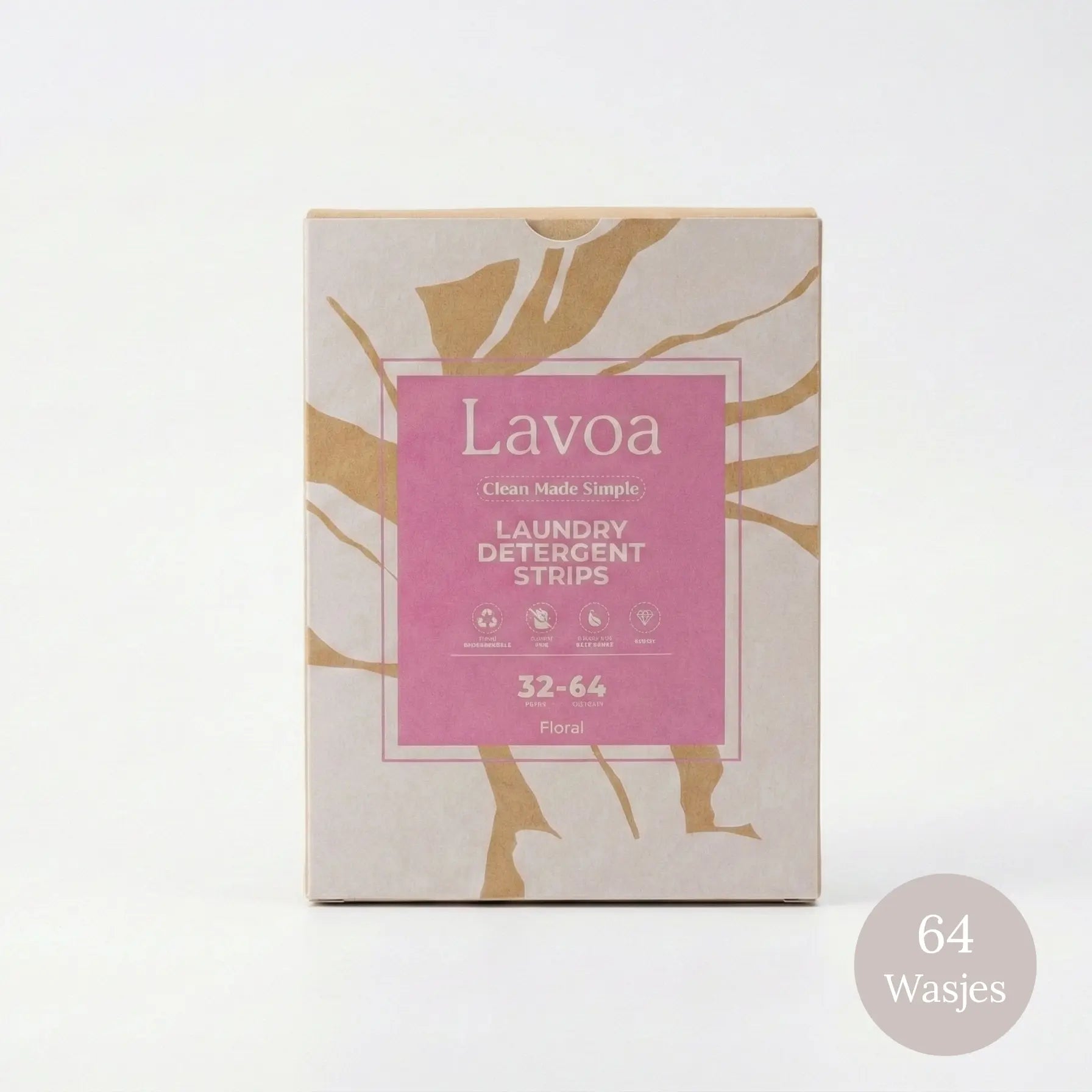
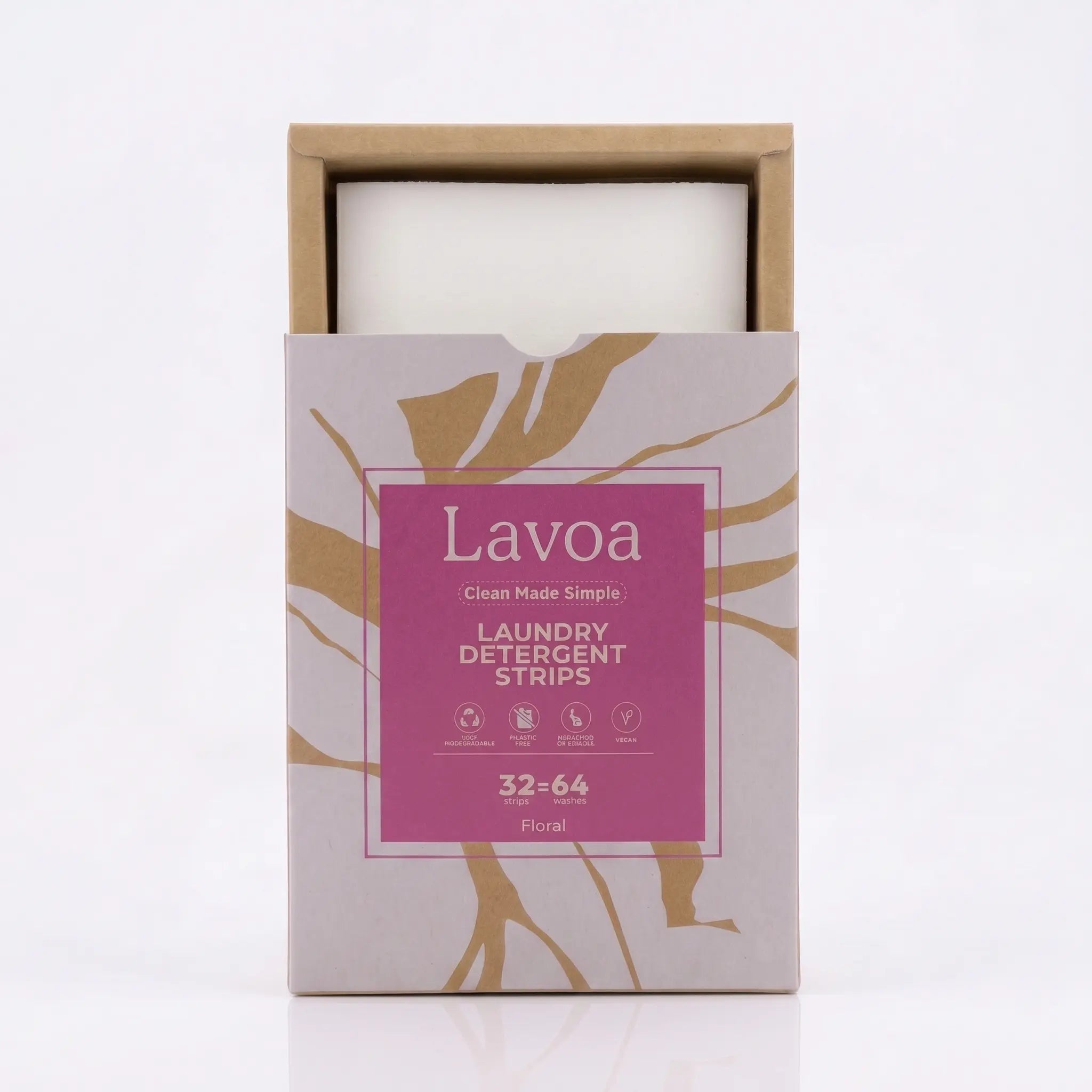
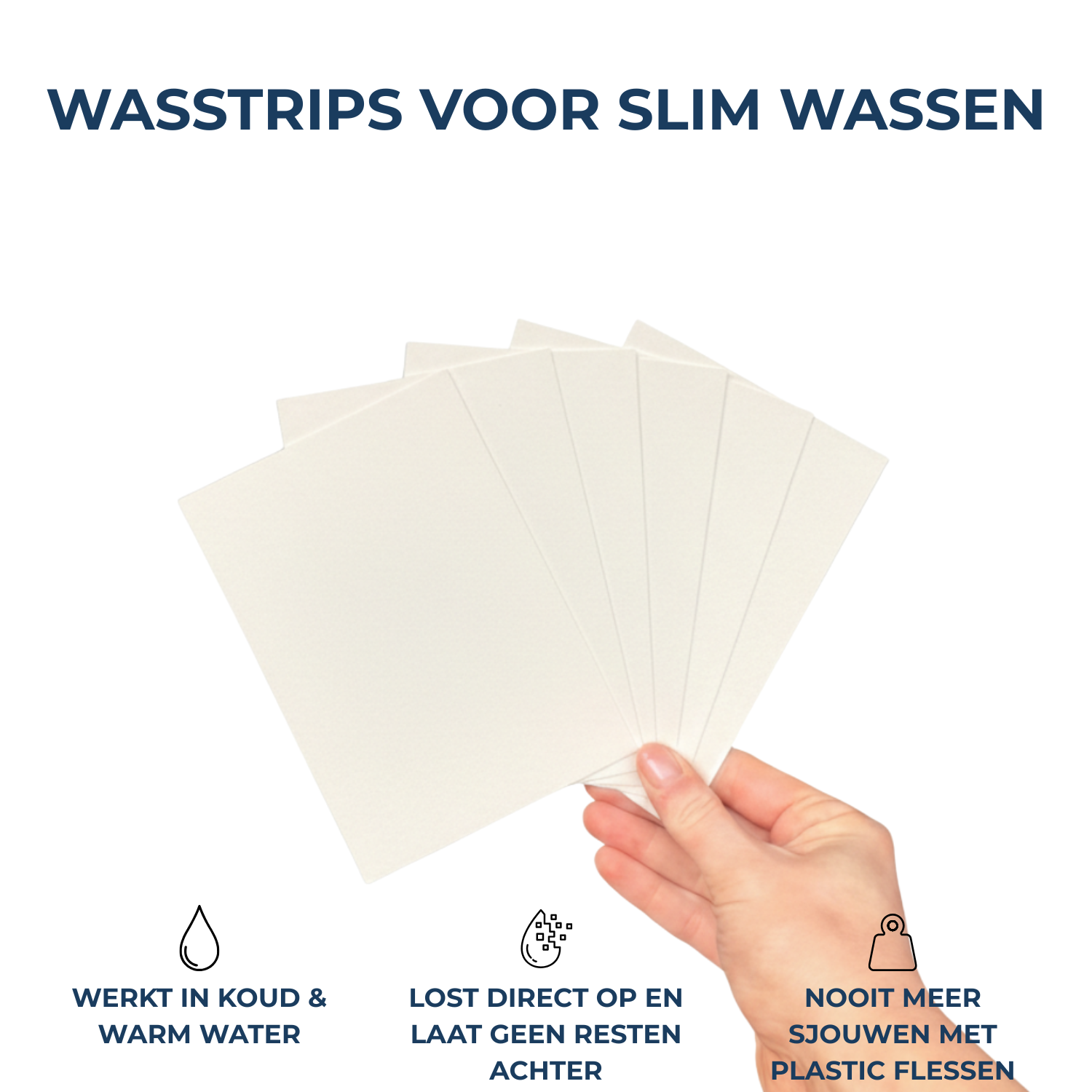
Laundry strips contain no softening agents — they clean without damaging the coating or filling. Half a strip is enough for one jacket.
Drying: where things often go wrong
A jacket that does not dry properly smells musty, loses its shape, or develops mold in the filling. The guidelines for each type:
- Padded jacket: hang on a wide hanger, do not fold
- Down jacket: tumble dry on a low setting with tennis balls, or leave for a full day on a large drying rack
- Wool jacket: dry flat, never hang
- Never place directly on a radiator — the outer fabric and coatings may be damaged
Frequently asked questions about washing winter jackets
Can I wash a down jacket at home?
Yes, most down jackets can be washed at home. Wash at 30°C on a delicate or down cycle with a small amount of detergent. Drying is the critical part: use a dryer on a low setting with tennis balls to keep the down loose and prevent clumping. Letting it dry completely is essential.
My down jacket is clumpy after washing — what now?
This means the down has clumped together due to moisture or soap residue. Put the jacket in the dryer on a low setting with two or three tennis balls. They break up the clumps. Repeat if necessary. Letting it dry completely — including the inside — prevents this from happening again.
Why shouldn’t I use fabric softener with a winter jacket?
Many jackets have a DWR coating that makes rain bead up. Fabric softener leaves a greasy layer on the fibers that damages this coating. In down jackets, fabric softener also leaves residue in the filling, causing the down to clump together. Never use fabric softener with jackets.
What temperature should I wash a winter jacket at?
Always follow the care label. For padded and down jackets, 30°C is the standard. Wool: maximum 30°C on a wool cycle. Fleece: 30–40°C. Higher temperatures are rarely necessary and shorten the jacket’s lifespan.
How often should I wash my winter jacket?
Once or twice per season is sufficient for most jackets. Washing wears down the outer fabric and coating — washing too often is not good either. In between washes, airing the jacket (hanging it outdoors) is often enough to remove odors without washing.
My jacket no longer keeps out the rain — how can I restore it?
The DWR coating is probably worn or damaged by fabric softener. After washing, you can restore the coating with a waterproofing product for outdoor clothing — available as a spray or laundry additive. Follow the product instructions, then dry the jacket in a tumble dryer or with an iron on a low setting — heat activates the coating.
Washing a jacket without damaging the coating
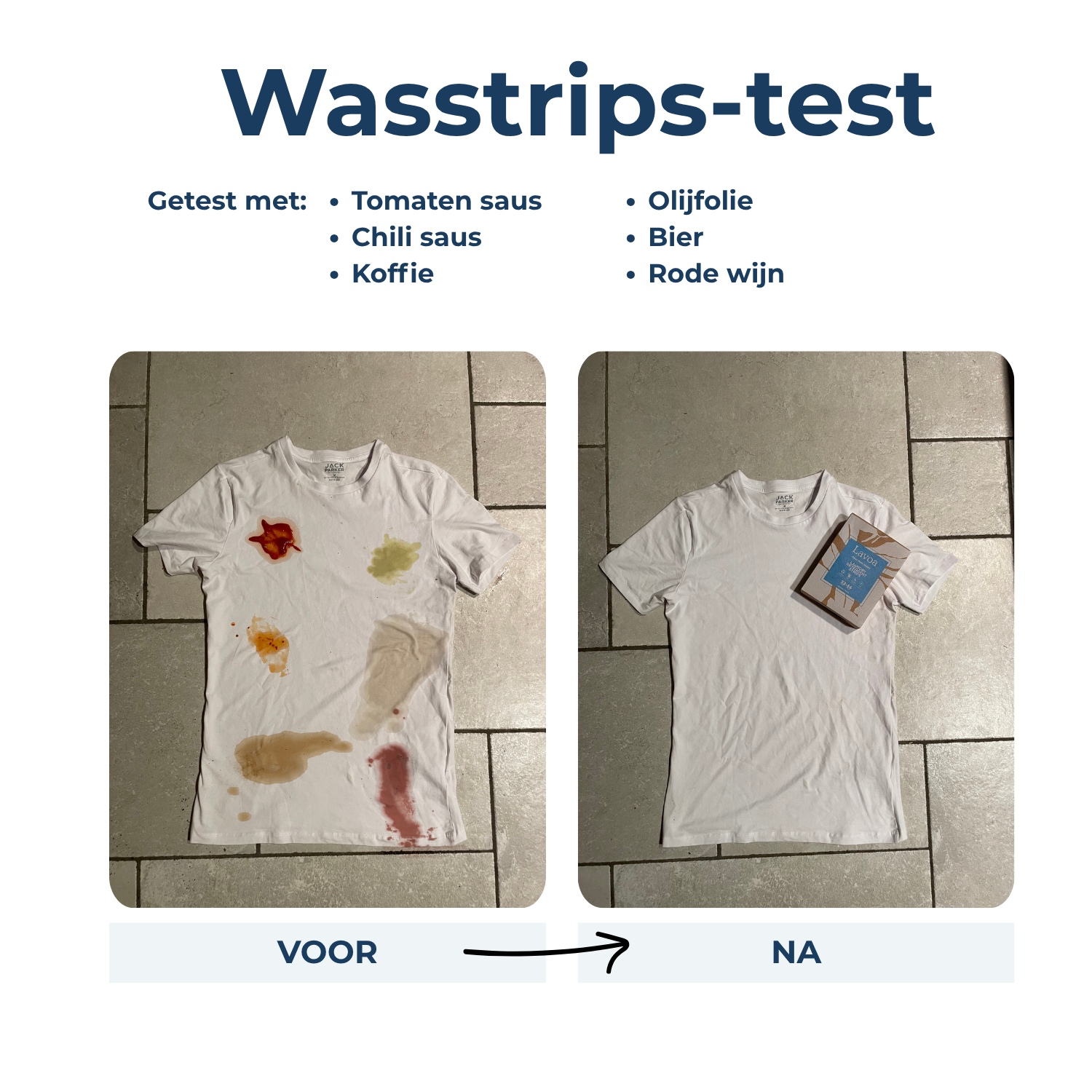
Laundry strips contain no softening agents — no build-up on the DWR coating and no residue in the down filling.
View the laundry strips →