Linen shrinks faster than you think — and the dryer is the biggest culprit. With the right temperature and a few small adjustments, you can wash linen and cotton for years without any fuss.
Does linen shrink in the wash?
Yes, but only if you wash it incorrectly. Linen shrinks because of heat — not water itself. At 20°C or 30°C, practically nothing happens. Only at 60°C or higher will it shrink by a full size. Once linen has shrunk, it will not return to its original shape.
The same applies to mechanical stress: an overloaded drum on a high spin setting distorts the fibre. Linen is stronger than it looks, but it cannot withstand combinations of heat and friction.
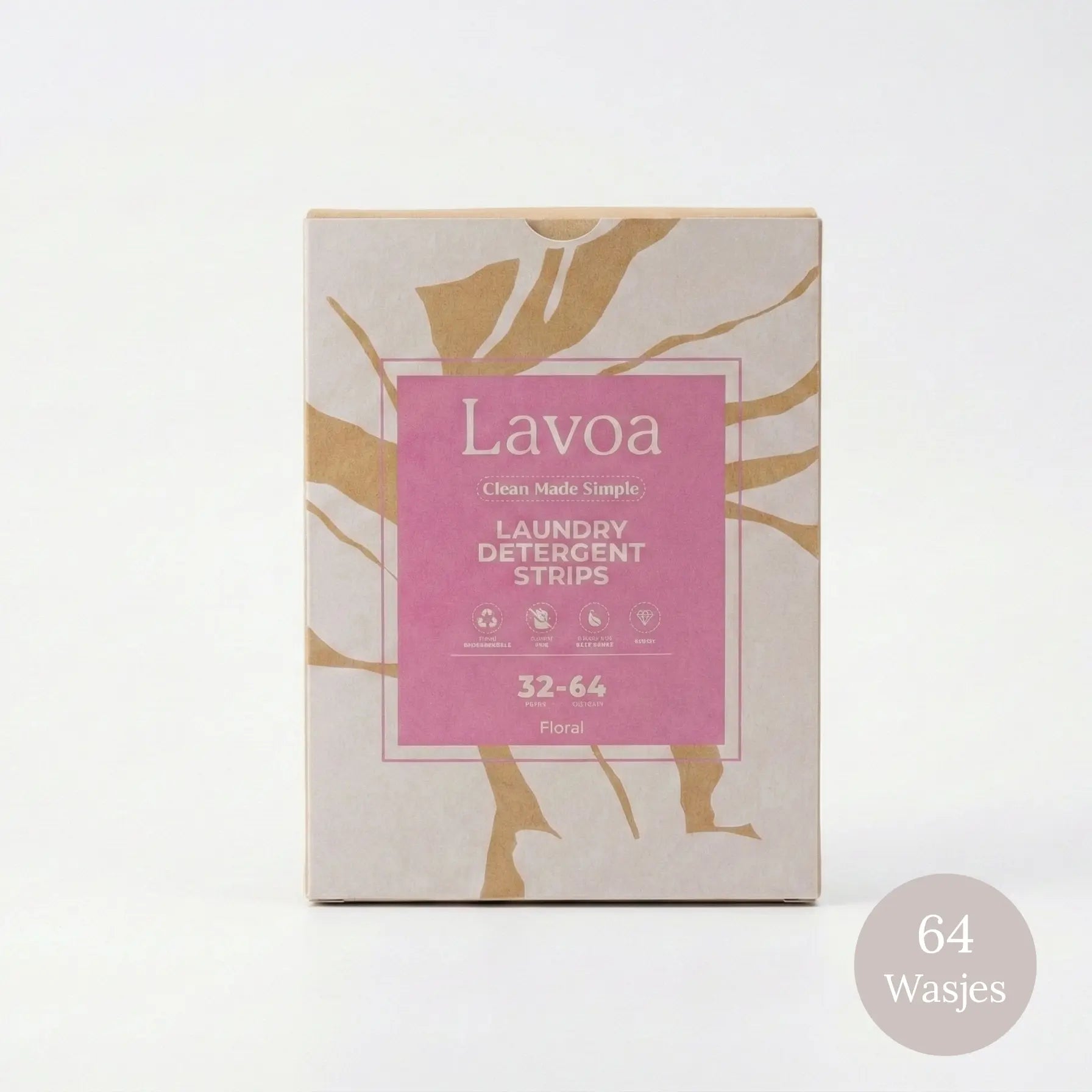
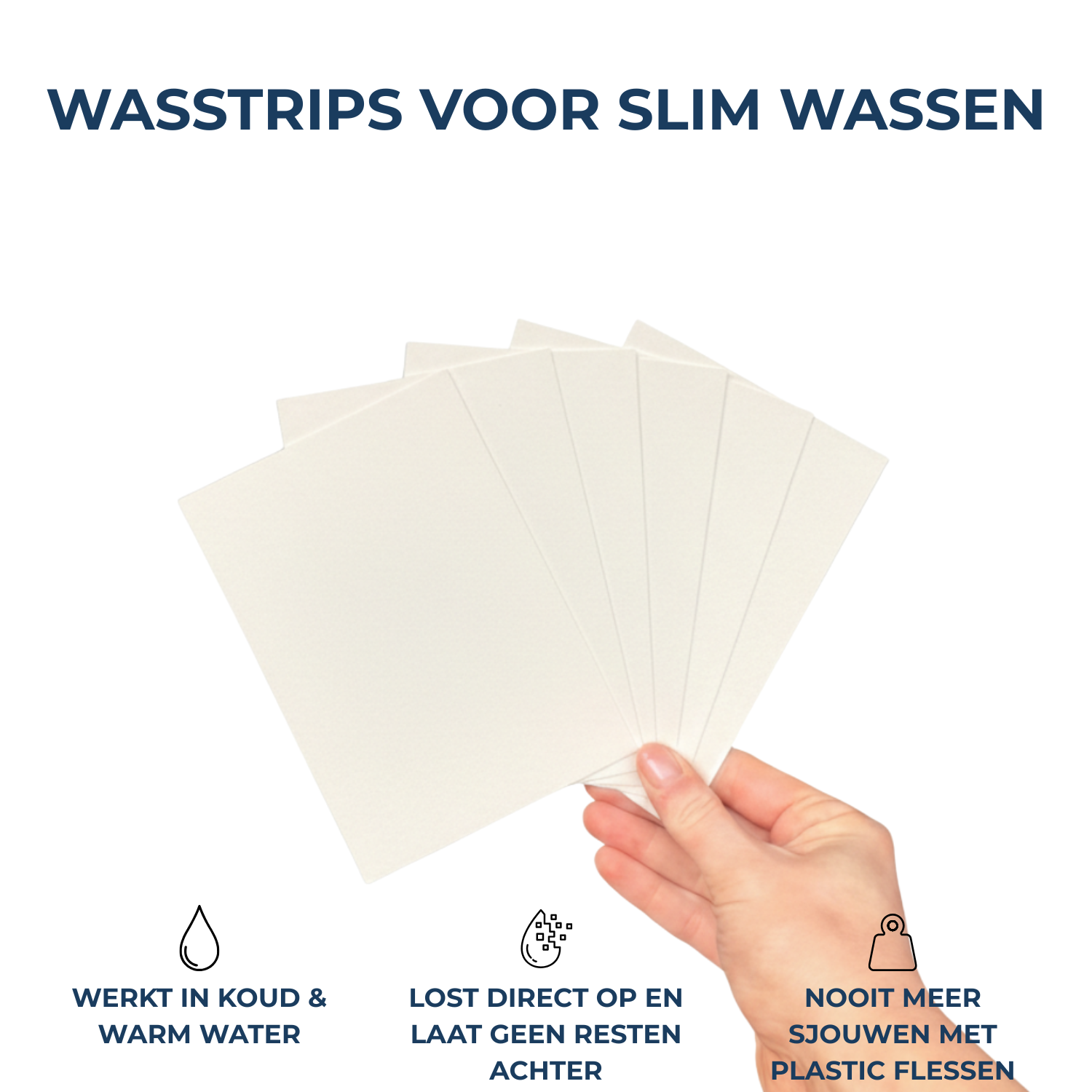
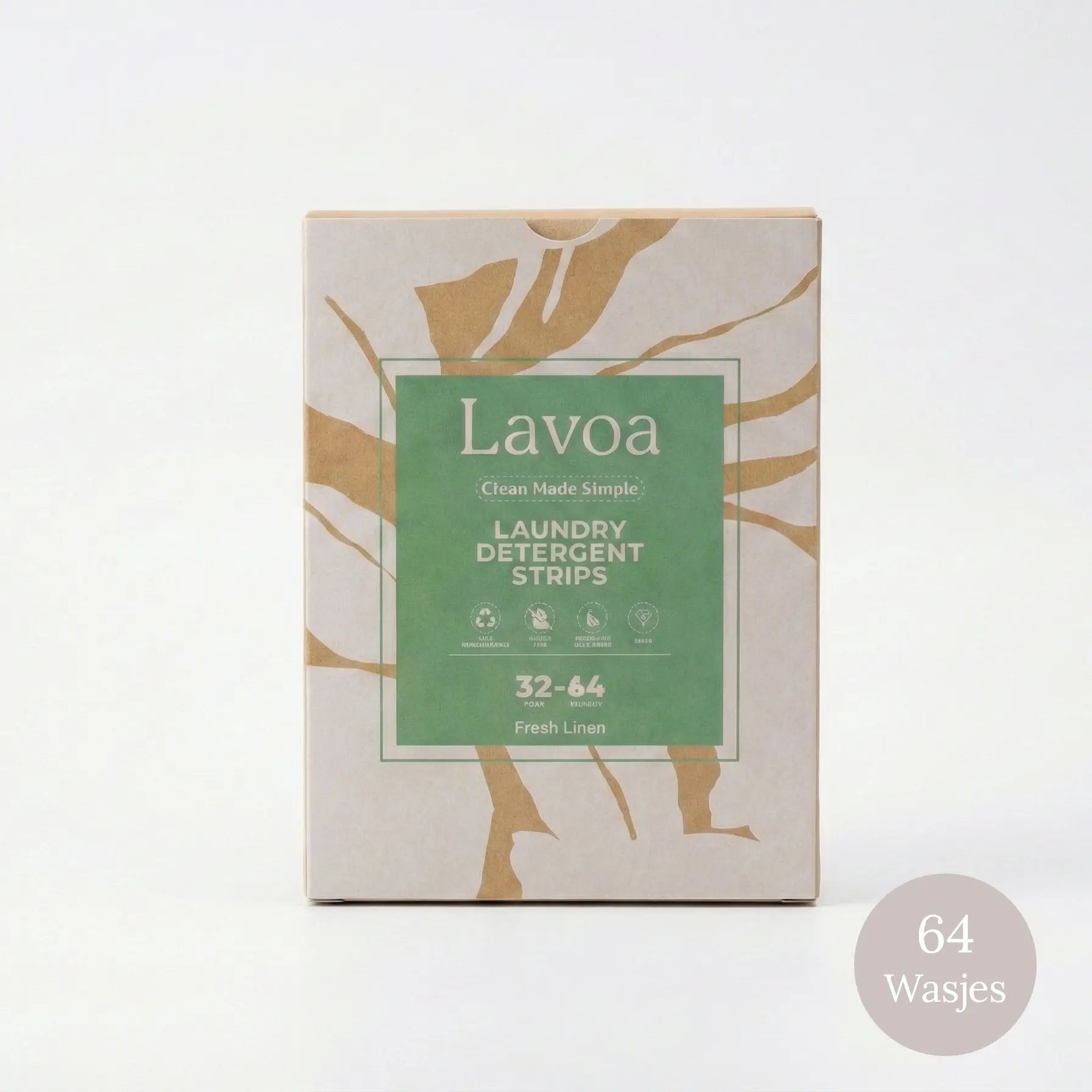
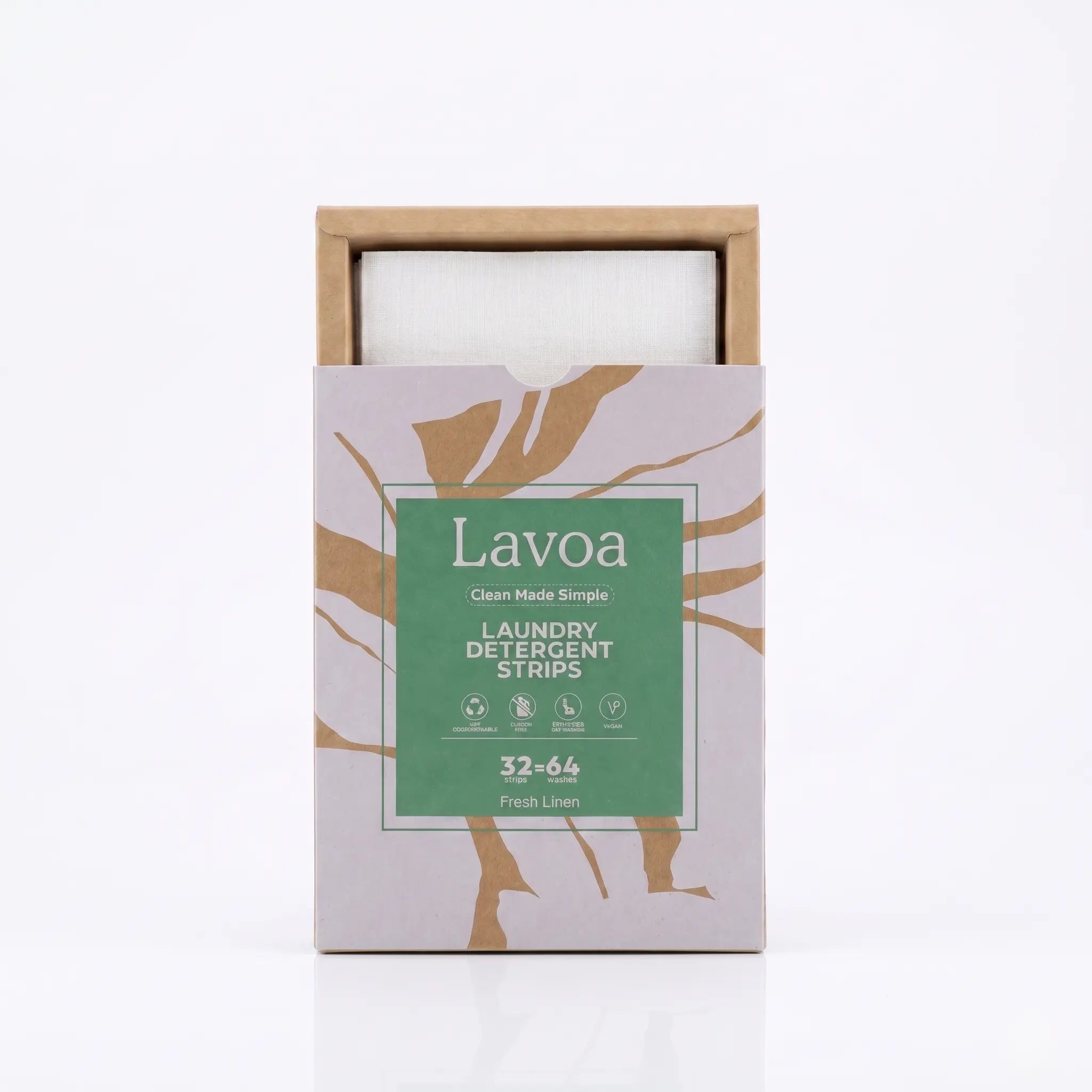
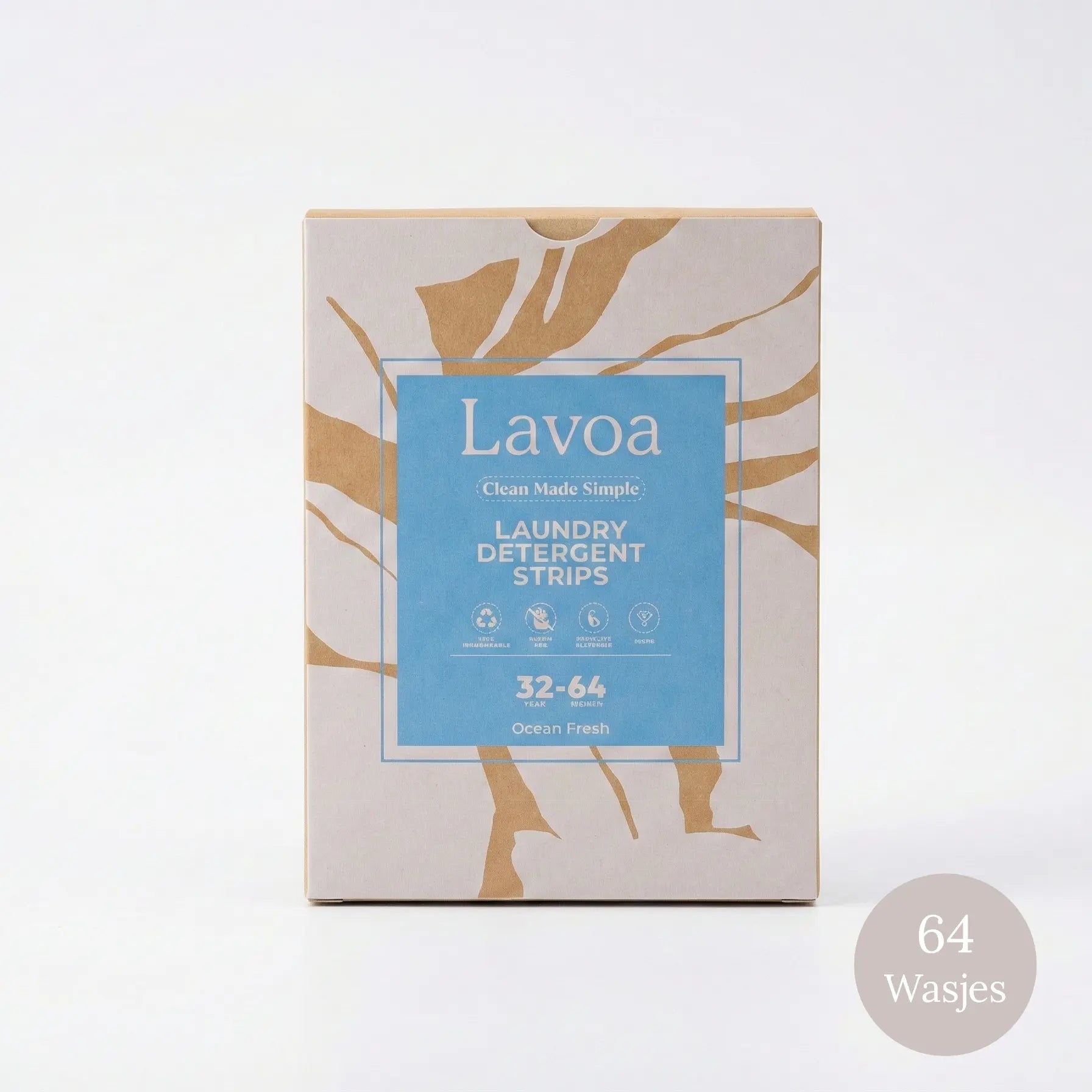
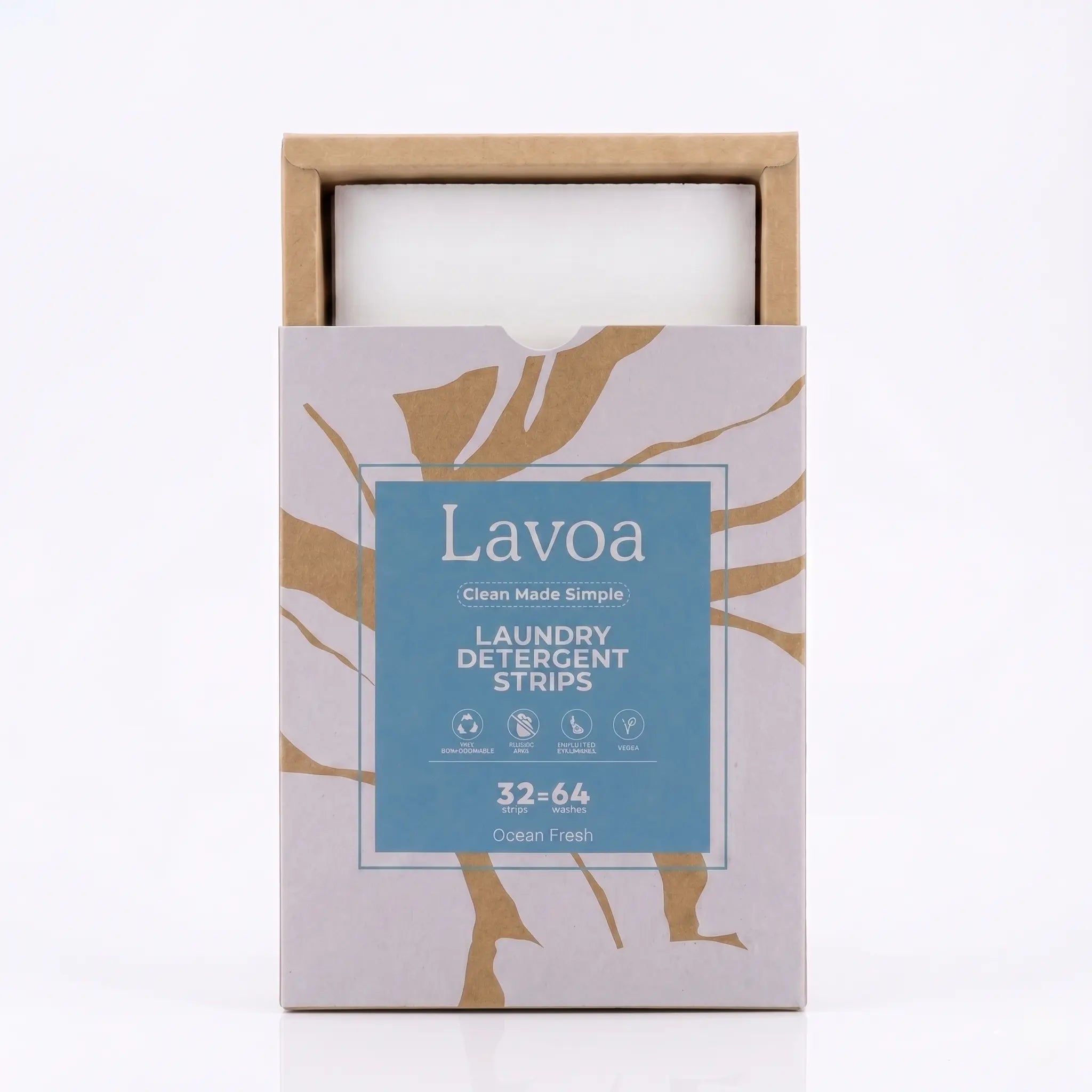
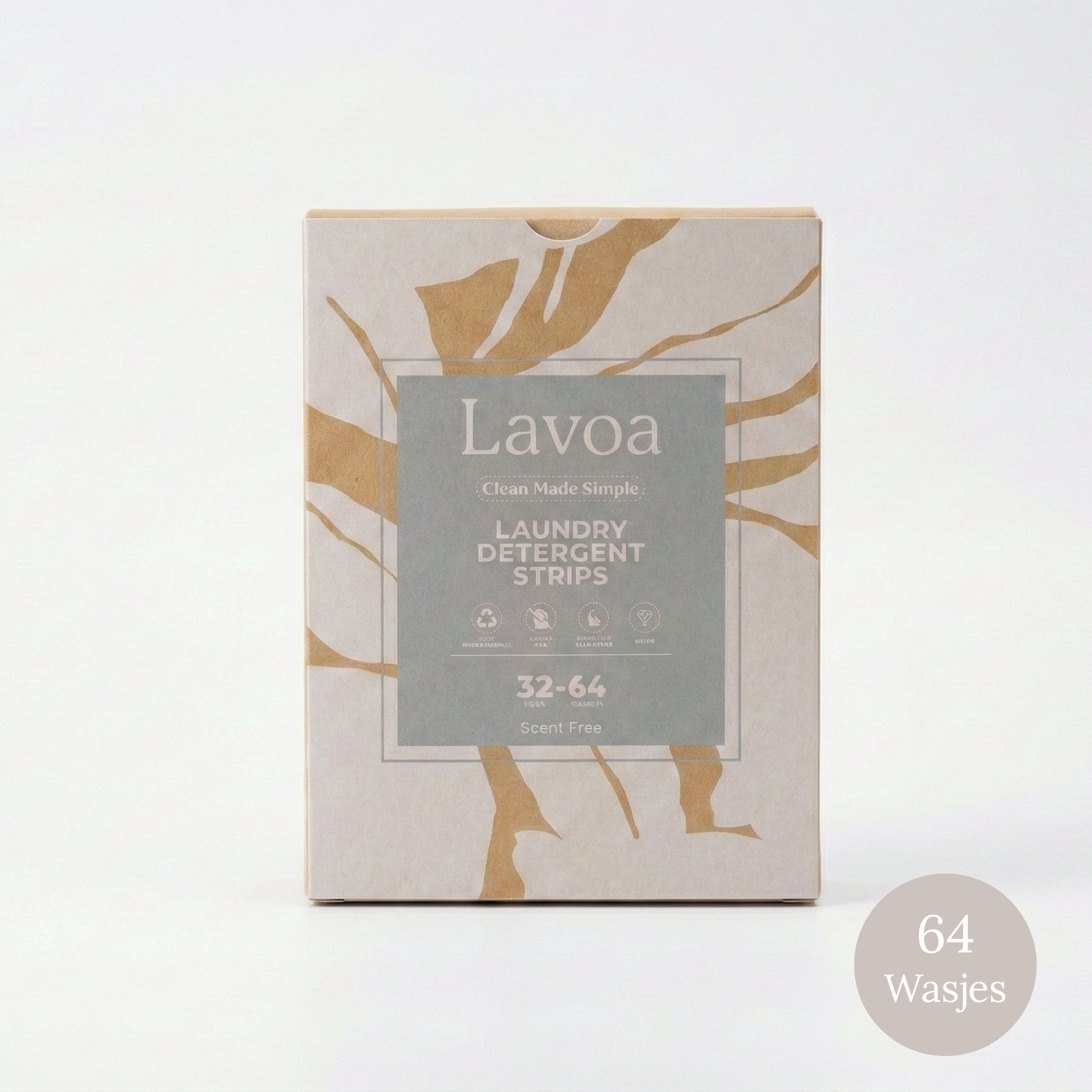
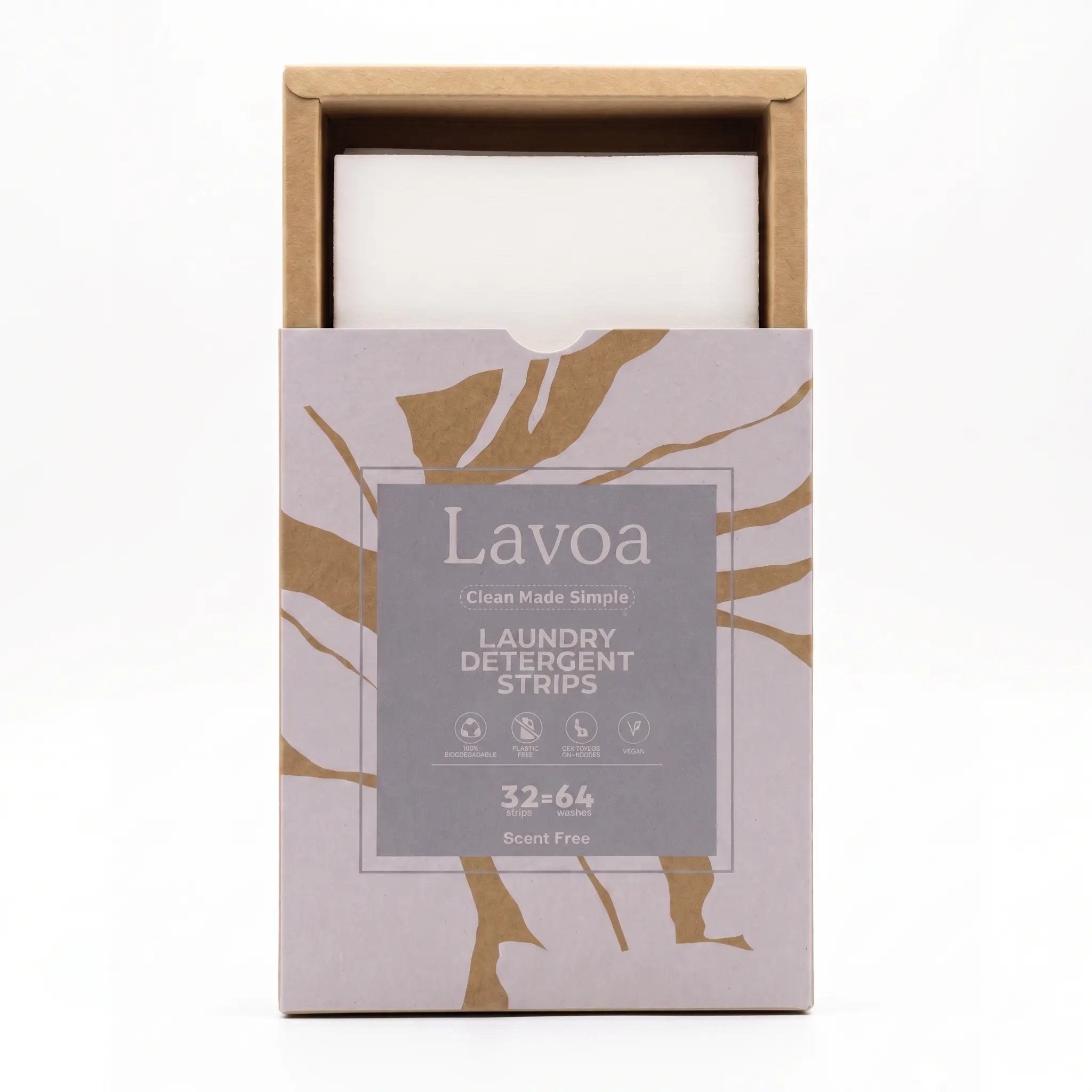
Laundry strips dissolve completely from 20°C — ideal for linen that you do not want to wash too hot.
Can linen go in the dryer?
Preferably not. The dryer combines exactly what linen cannot tolerate: heat and movement at the same time. Even on the lowest setting, linen shrinks more in the dryer than it does in a 40°C wash. And unlike cotton, with linen this almost always comes at the expense of the fit.
The best way to dry linen is on a clothes hanger, in the shade or indoors. It will smooth out nicely without ironing. In a hurry? Tumble-dry for a maximum of 10 minutes on the lowest setting, then hang it up immediately.
Washing linen: the rules that really matter
Linen is naturally strong, but it hates heat. Follow this approach and your linen clothes will stay beautiful for years.
✓ Do
- Wash at 20°C, up to 40°C maximum
- Turn inside out before washing
- Low spin setting (600–800 rpm)
- Hang up immediately after washing
- Iron while still slightly damp
- Wash dark linen separately
✗ Don't
- Wash above 40°C
- Tumble-dry for a long time
- Stuff into an overfilled drum
- Bleach or harsh products
- Dry in direct sunlight
- Iron when completely dry
Washing cotton: a little sturdier, but not indestructible
Cotton can withstand a little more than linen, but the same rule applies here: cooler is better. Especially for cotton summer dresses, T-shirts and polo shirts that you wear all summer.
✓ Do
- Wash from 20°C
- Turn dark cotton inside out
- Normal spin setting
- Tumble-dry briefly on a low setting
- Iron while still slightly damp
✗ Don't
- 60°C or higher for coloured items
- Mix whites and colours
- Spin for a long time at a high setting
- Fabric softener with functional cotton
New cotton garment? Wash it at 20°C the first time. Cotton shrinks the most during the first few washes — after that, it has stabilised.
Stains on summer clothes: what works?
Sunscreen, ice cream, grass — summer loves stains. The trick is always the same: act immediately.
Sunscreen stain (oil-based)
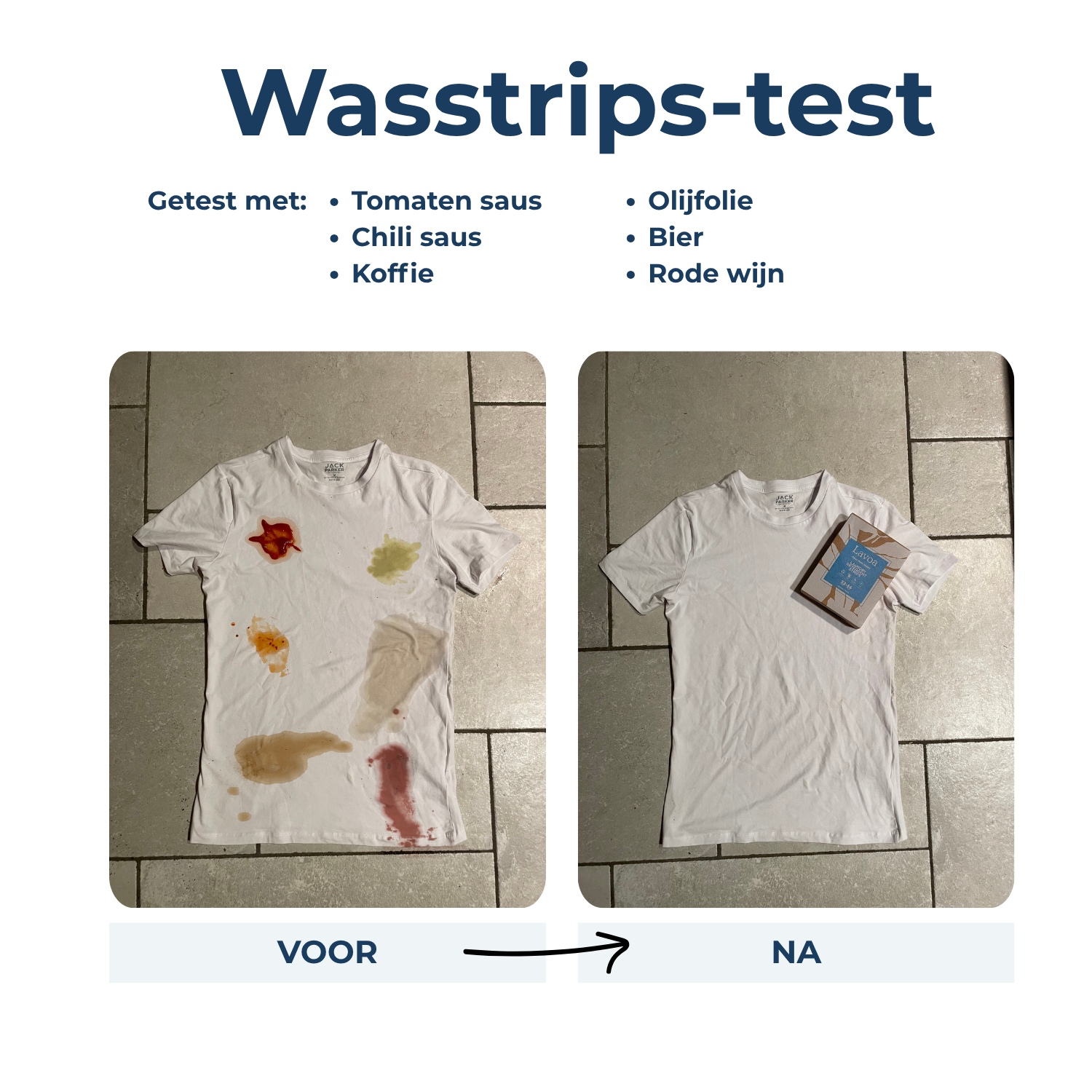
First dab the stain dry with a clean cloth — never rub. Then wash with a laundry strip at a normal temperature. Pre-treat stubborn stains: dampen a small piece of laundry strip and place it on the stain before putting it in the wash.
Sweat and salt stains
Sweat leaves salt residue that affects the color. In summer, wash more frequently on short 20°C cycles — this prevents buildup better than washing once a week at 60°C.
Grass stain
Wet the stain, place a piece of laundry strip on it, and let it soak for a few minutes. Then simply put the laundry in the wash. Grass contains chlorophyll, which reacts well with enzymes in a good detergent.
The right detergent makes all the difference
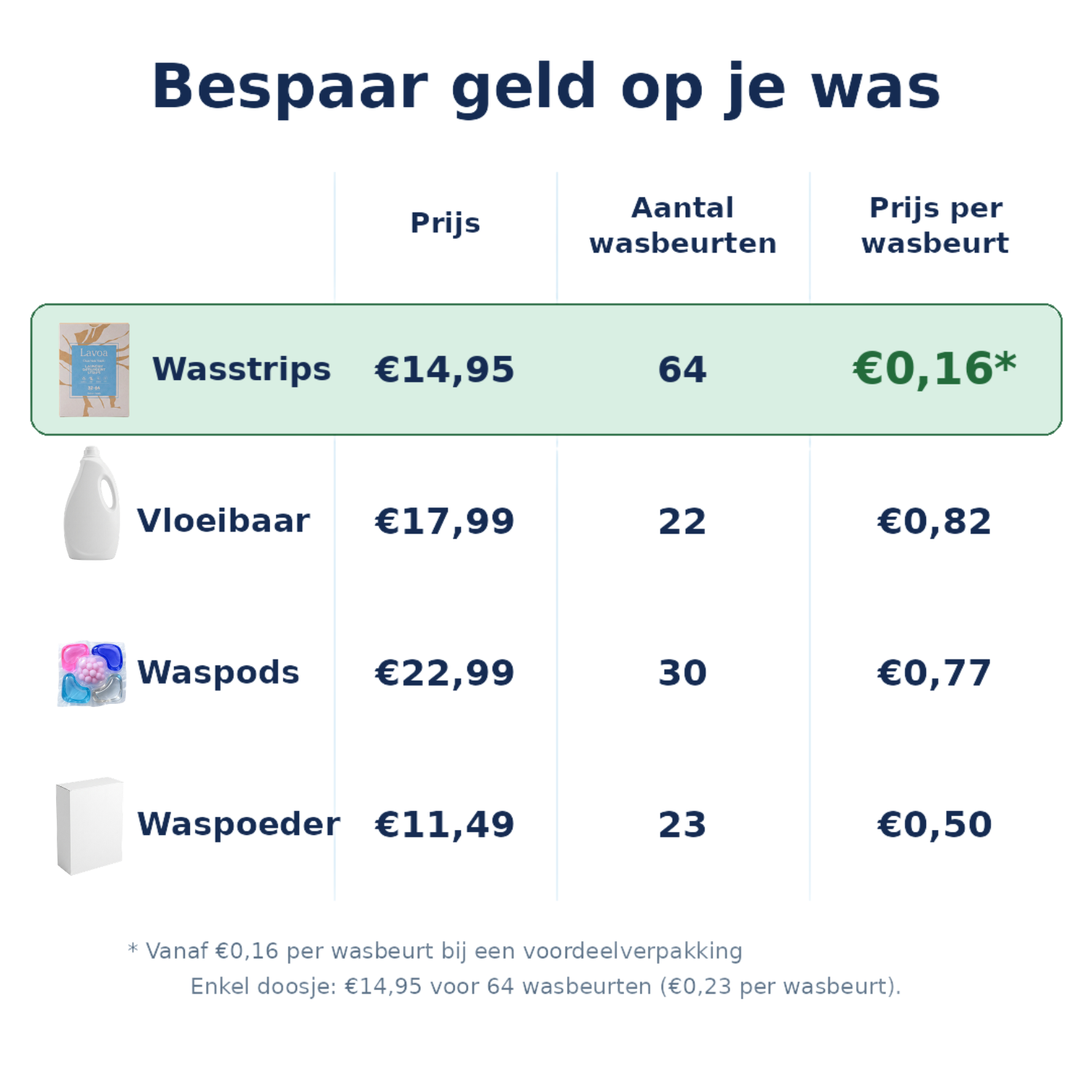
Liquid detergent can leave residue in the fabric — which can cause irritation on a hot summer day. Laundry strips dissolve completely, leave no soap residue, and work from just 20°C.
- Dissolves completely — no white marks or residue on dark fabrics
- Works effectively from 20°C — ideal for linen and cotton
- Always perfectly dosed — no overdosing that strains the fibers
- Compact and lightweight — convenient for travel or holiday luggage
- Gentle on the skin — also suitable for those sensitive to fragrance
Frequently asked questions about washing linen
Does linen shrink in the wash?
Yes, but only at excessively high temperatures. Linen barely shrinks at 20°C or 30°C. Shrinkage is virtually certain only at 60°C or higher. Therefore, always wash linen at a maximum of 40°C — 20°C is fine for everyday clothing.
Can linen go in the dryer?
Preferably not. A dryer combines heat and movement, which can quickly cause linen to shrink and lose its shape. Hang linen on a clothes hanger immediately after washing and let it dry in the shade. Need it to dry faster? Use the lowest setting for a maximum of 10 minutes, then hang it up anyway.
Can I wash linen at 60°C?
We do not recommend that for clothing. Linen shrinks significantly at high temperatures and the fibers become stiffer. 20°C is sufficient for everyday laundry, and 40°C for stains. Only white linen that you want to sterilize — bedding and towels — can optionally be washed at 60°C.
How can I prevent cotton from shrinking?
Wash from 20°C and do not use a hot dryer. Hang cotton on a clothes hanger to preserve its shape. Most shrinkage occurs during the first few washes, so start at a low temperature right away.
My linen is stiff after washing — what am I doing wrong?
Linen becomes stiff when it dries too quickly (in direct sunlight) or remains in the drum too long after washing. Hang it up immediately and let it dry in the shade or indoors. Shaking it out while still slightly damp also helps.
How often should I wash summer clothes?
Not after every wear. Airing clothes out in between — hanging them outside or in a fresh room — is often sufficient. Wash them when truly necessary: after sweating, when stained, or after wearing them several times.
Smart washing starts with the right detergent
Lavoa laundry strips work from just 20°C, dissolve completely, and leave no residue on linen or cotton.
View the laundry strips →