Dark clothing fades faster than necessary. It is rarely the clothing itself — almost always, it is how you wash it. A few small adjustments keep black black and navy navy.
Why dark clothing fades
Dark colors fade due to a combination of three things: heat, friction, and soap residue. Heat opens the fibers and allows dye to escape. Friction in the drum wears down the outer fiber layer, making the color look dull. And soap residue — left behind when too much detergent is used — reflects light in a way that makes dark clothing look gray or faded.
Optical brighteners make it worse. Many regular detergents contain these substances to make light-colored clothing appear whiter. On dark clothing, they have the opposite effect: they give black and dark blue a grayish or bluish cast.
The most important rules
✓ Do
- Wash at 30°C or cold
- Wash clothes inside out
- Wash dark clothing separately
- Use little detergent — too little is better than too much
- Dry in the shade
- Use a short cycle
✗ Don't
- Washing at 40°C or higher
- Detergent with optical brighteners
- Fabric softener with dark synthetic fabrics
- Drying in direct sunlight
- High spin speed
- Overloaded drum
Inside out: why does it work?
The outside of your clothing is the most visible and contains the most dye. By washing clothes inside out, the inside is exposed to the friction of the drum and other garments — protecting the outside. After a few months, the difference is noticeable.
Temperature: colder than you are used to
30°C is the safest choice for dark clothing. Most stains and everyday dirt come out at 30°C as well — higher temperatures are rarely necessary and significantly accelerate fading.
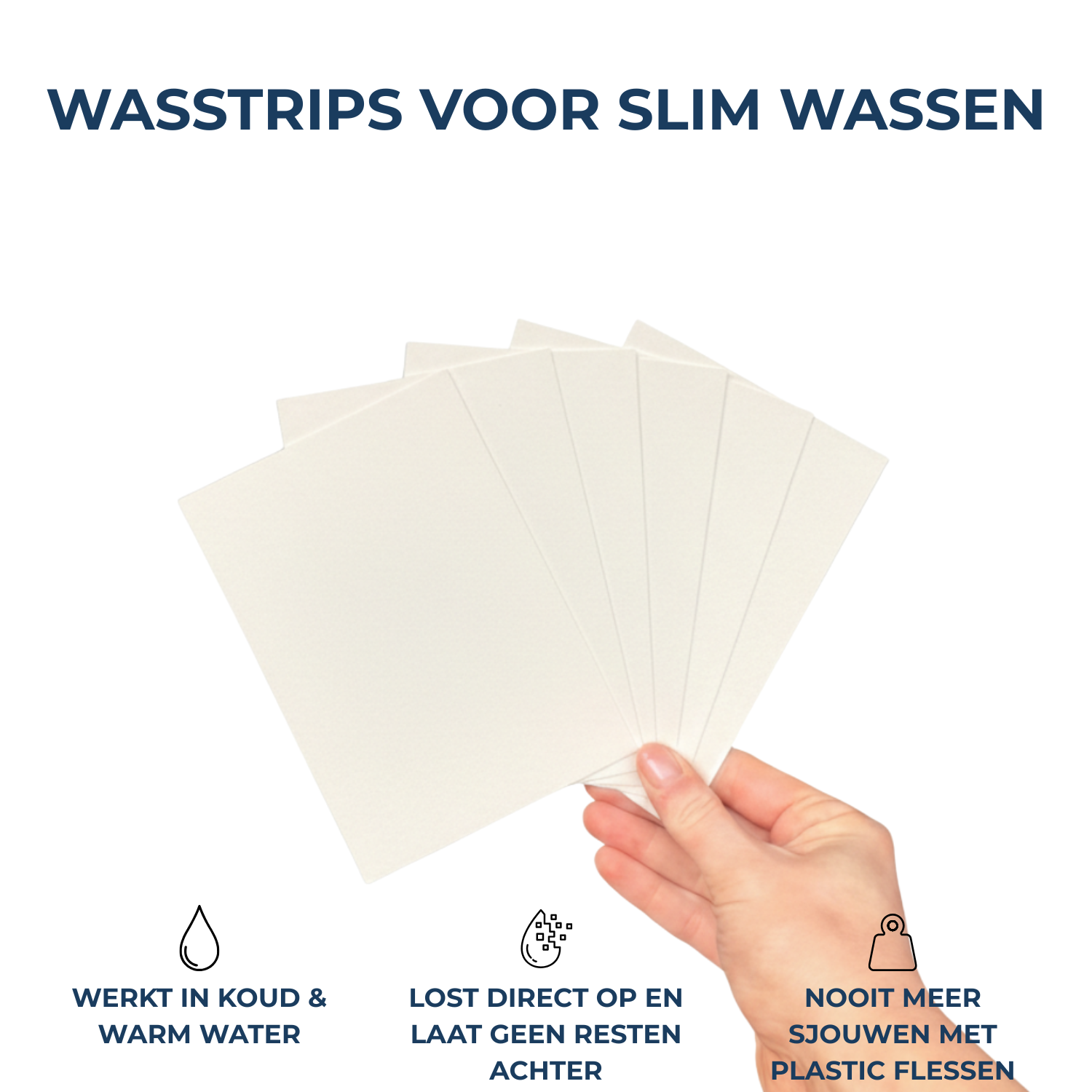
Washing cold (15–20°C) is even better for preserving color, but not all detergents work well at that temperature. Laundry strips dissolve from 20°C and also work in cold water — making them suitable for the lowest possible temperature at which the laundry still gets properly clean.
Wash new dark clothing separately in cold water the first time — loose dye will then rinse out without coloring other clothes.
Soap residue: the underestimated culprit
Too much detergent is one of the most common causes of faded dark clothing. The residue left behind in the fibers attracts dirt and gives the fabric a dull, gray appearance — especially when it is black.
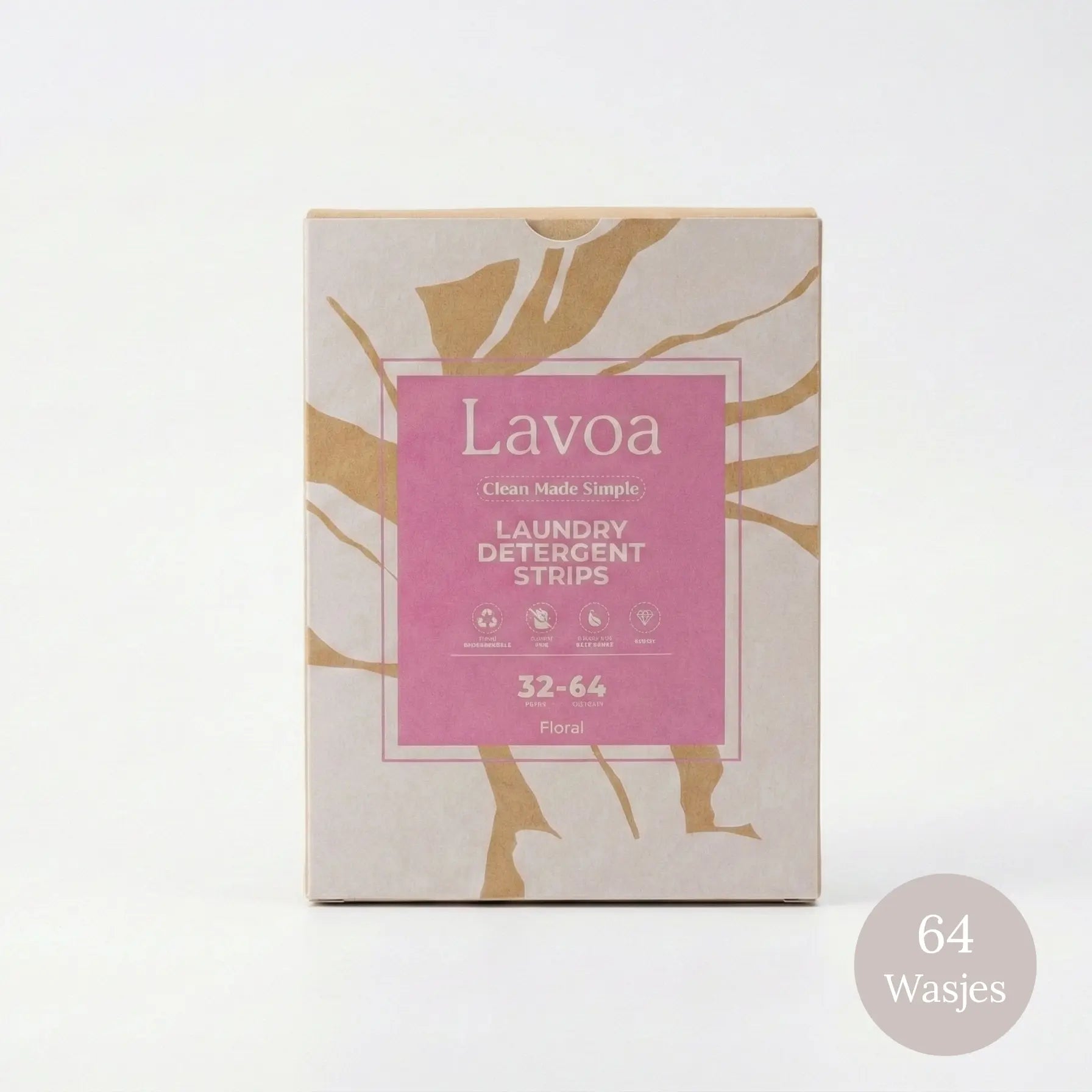
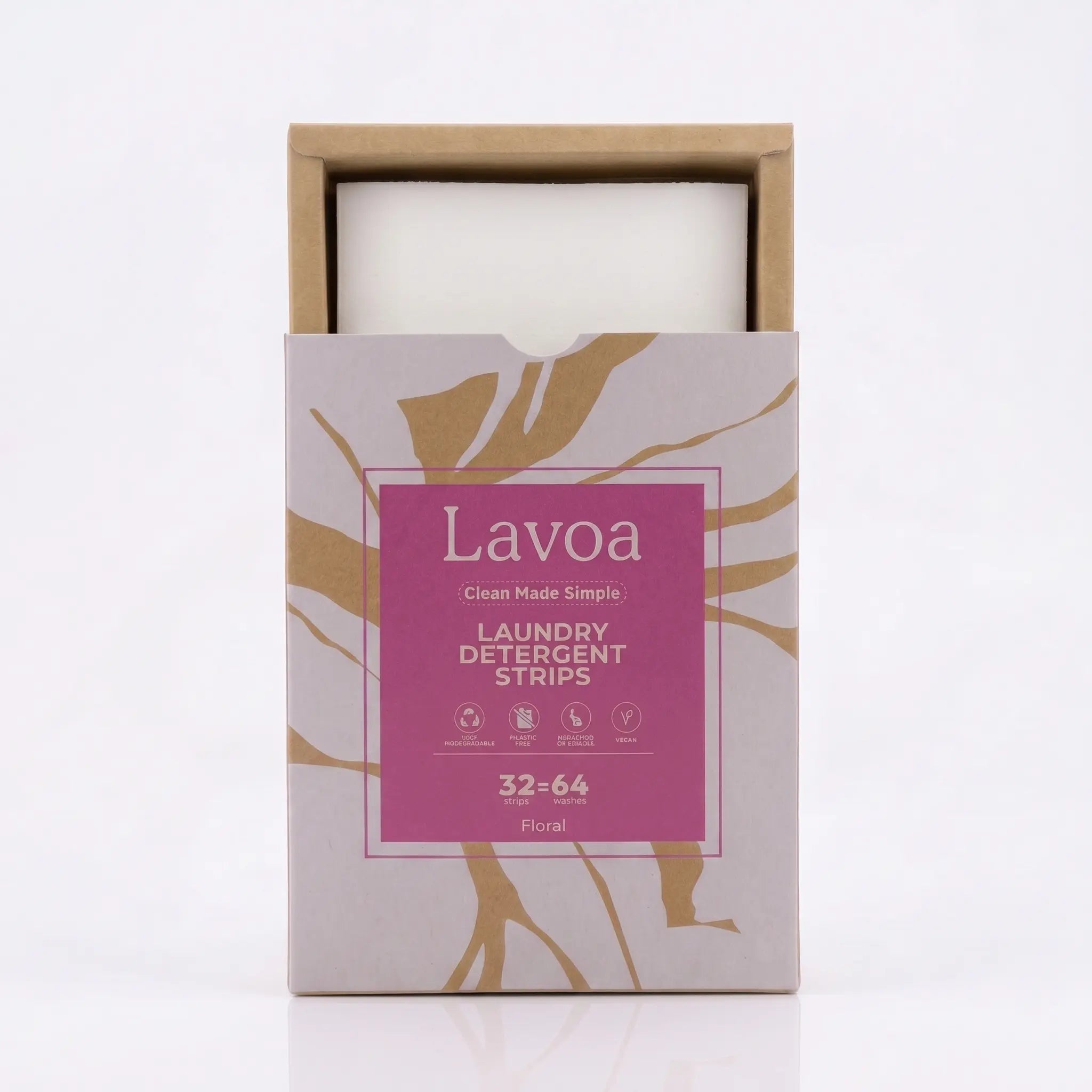
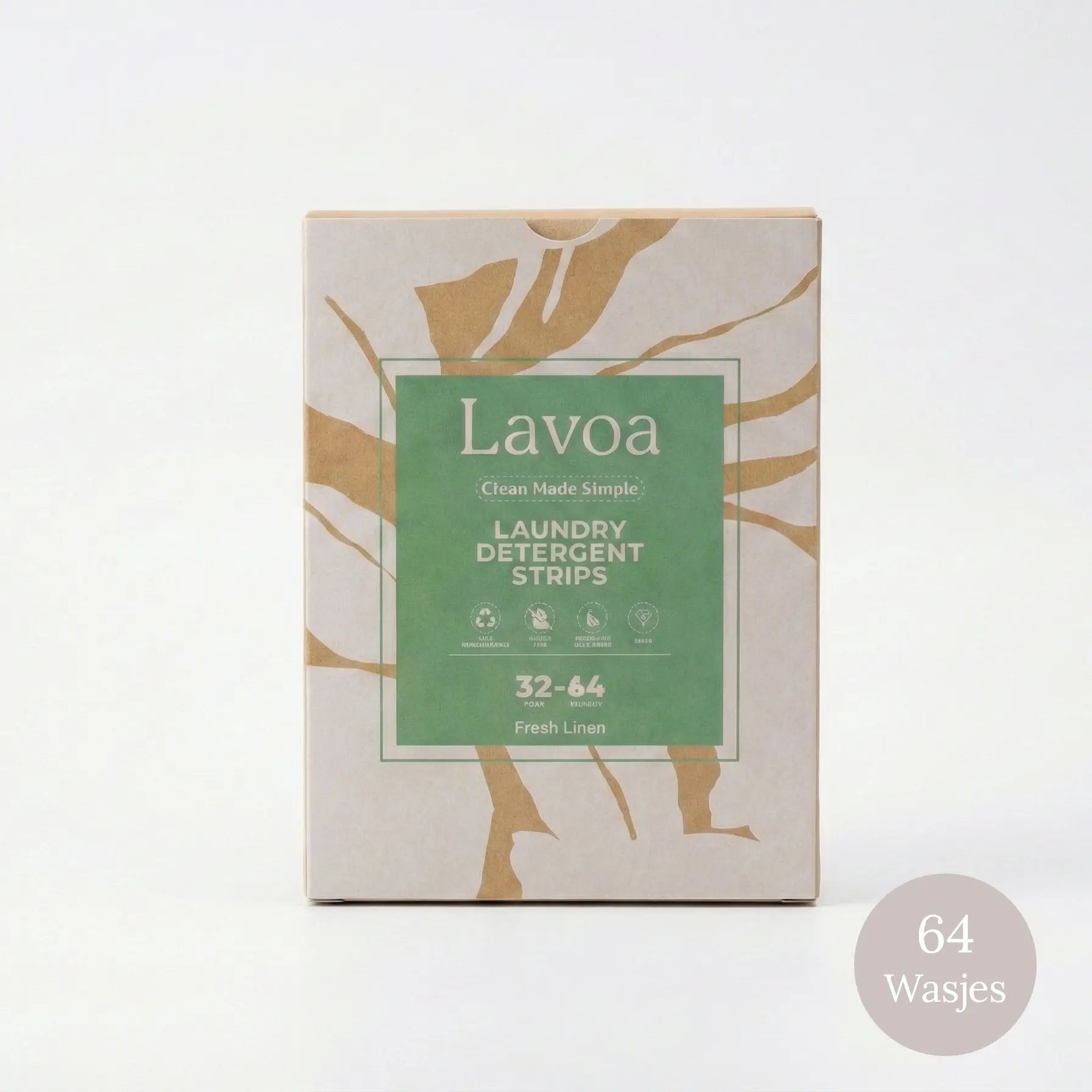
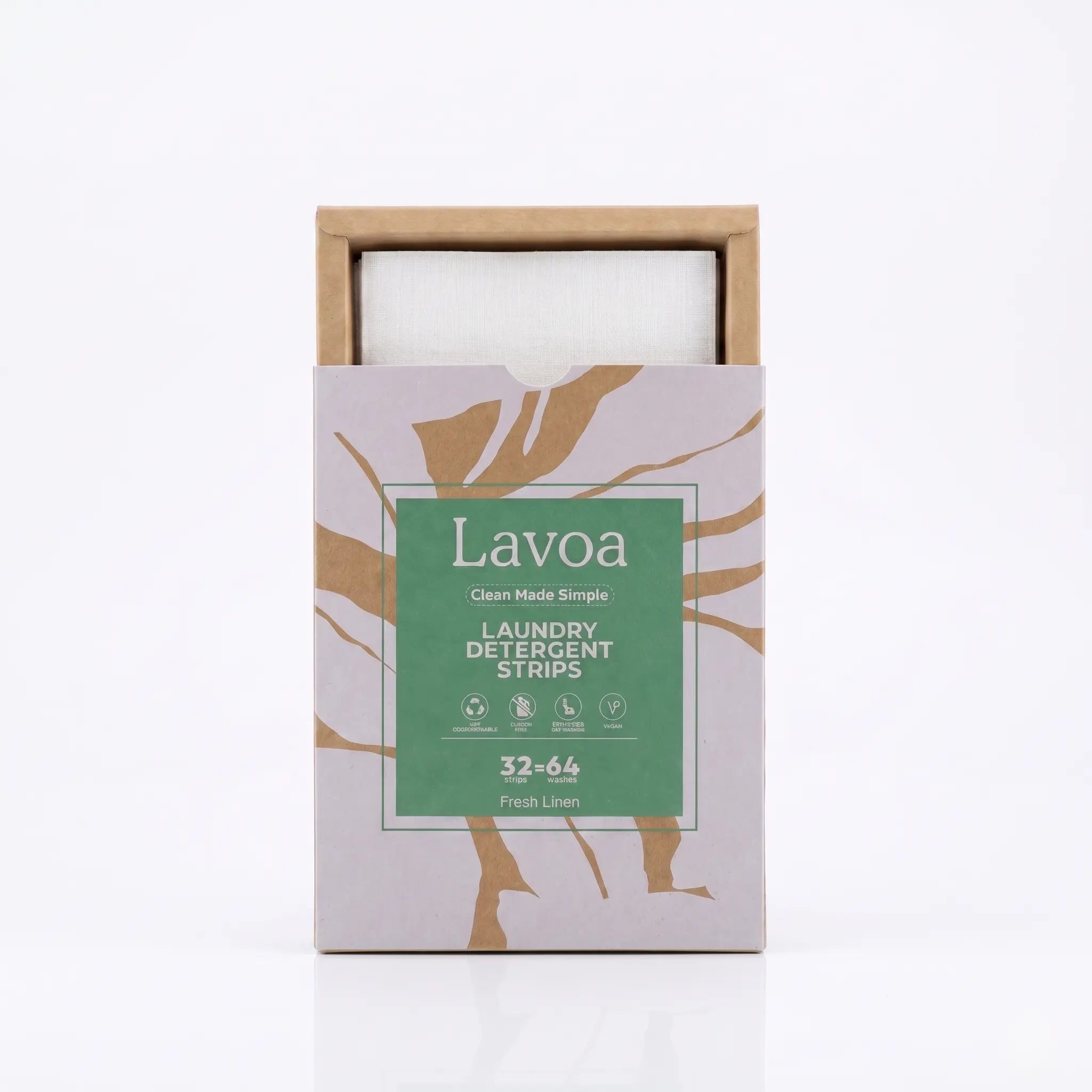
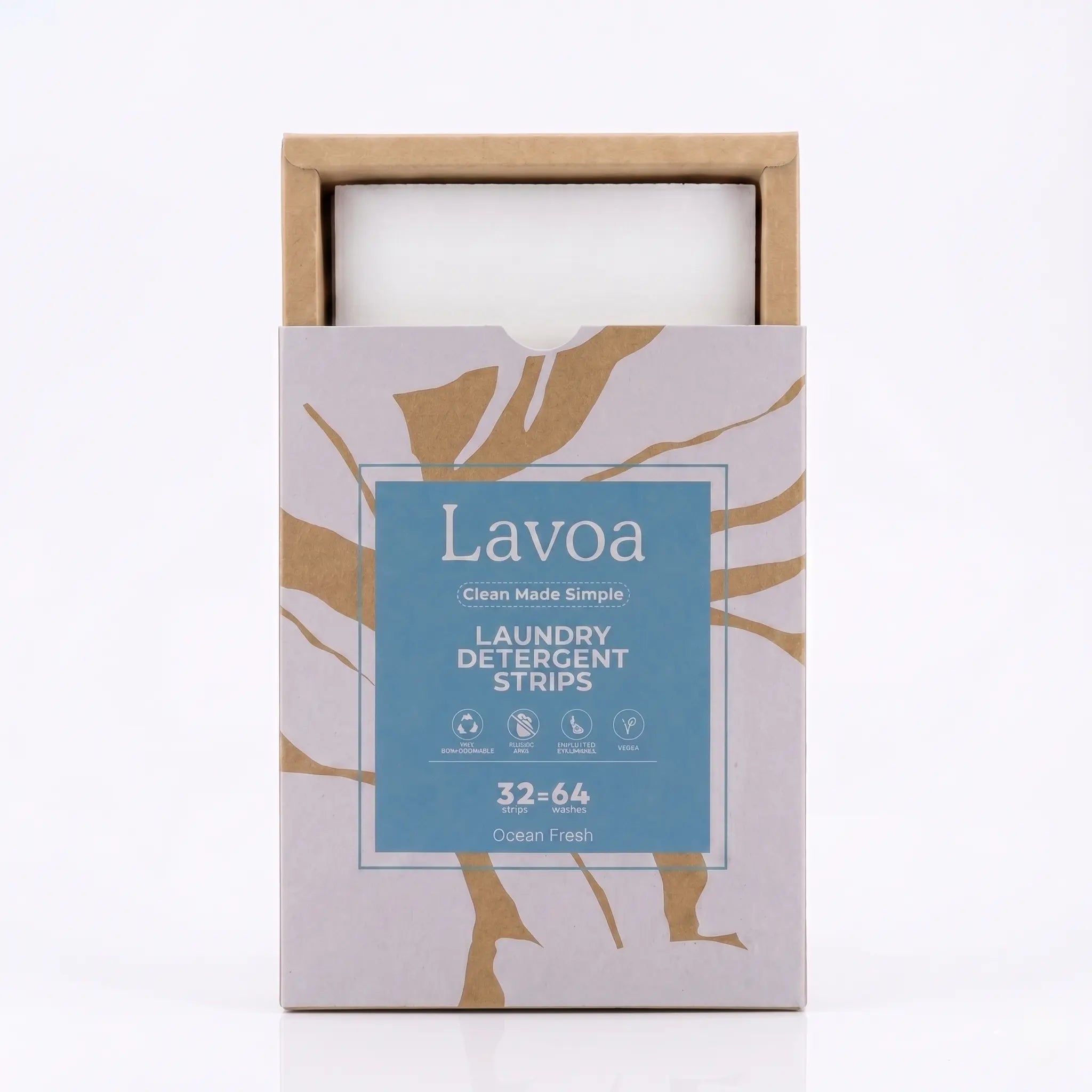
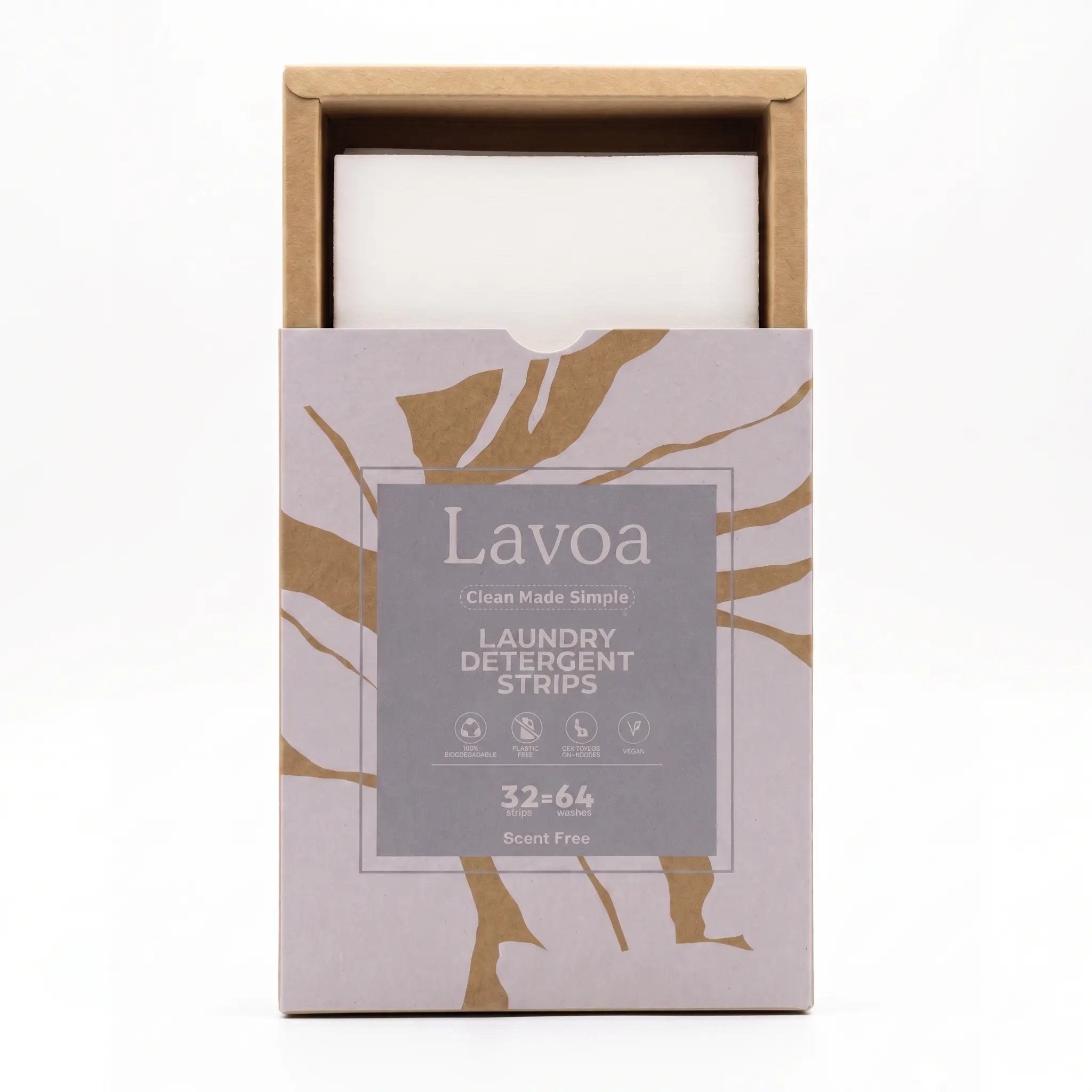
With laundry strips, overdosing is impossible: one strip per wash, always the right amount. They also contain no optical brighteners — something that is immediately noticeable on dark clothing.
Dark clothing: fading is no luxury
UV radiation from direct sunlight bleaches dyes — including dark ones. Always hang dark clothing to dry in the shade or indoors. This also applies to drying on a rack by a window where the sun shines in.
A tumble dryer on a low setting is fine, but avoid high temperatures. The combination of heat and friction in the dryer accelerates fading in the same way as washing at a high temperature.
What should I do if the colour has already faded?
Restoring it completely is rarely possible, but you can stop the process and protect the remaining colour by consistently following the rules above from now on. Special colour-refreshing detergents are also available for black clothing — they add a small amount of dye with each wash. This works, but it is not a substitute for careful washing.
Frequently asked questions about washing dark clothing
What temperature should I wash dark clothing at?
30°C is the safest choice for dark clothing. Cold washing (15–20°C) is even better for colour, but check that your detergent works well at that temperature. Above 40°C, dark clothing fades considerably faster.
Why does my black clothing turn grey after washing?
Three common causes: soap residue from using too much detergent, optical brighteners in the detergent, or a washing temperature that is too high. Turn garments inside out and wash at 30°C with a small amount of detergent without optical brighteners. Laundry strips contain no optical brighteners and dissolve completely — leaving no residue.
Should I wash dark clothing separately?
Ideally, yes, especially with new dark clothing. New items still release loose dye that can stain lighter clothing. After that, you can wash dark items together, but do not mix them with white or light-coloured clothing.
Can I use fabric softener with dark clothing?
It makes little difference for cotton, but with dark synthetic fabrics such as polyester, fabric softener can leave a greasy film that dulls the colour. It is best not to use it on dark clothing you want to keep deeply coloured for as long as possible.
Why shouldn’t I dry dark clothing in the sun?
UV radiation bleaches dyes — including dark ones. Direct sunlight is the fastest way to turn black clothing grey. Always dry dark clothing in the shade or indoors, away from direct sunlight.
Does vinegar help keep dark clothing darker?
White vinegar is sometimes recommended as a colour preserver — the idea is that it neutralises soap residue and closes the fibres. The effect is modest but not harmful. Adding a splash of white vinegar during the rinse cycle can help with stubborn black clothing that keeps turning grey, but it is no miracle cure.
Keep dark clothing deeply coloured for longer
Laundry strips contain no optical brighteners, dissolve completely, and work at 30°C — exactly what dark clothing needs.
View the laundry strips →