Stains can be treated — if you act quickly and know what you are doing. Most stains come out, even without expensive stain remover spray. What you use depends on the type of stain.
The golden rule: act immediately
The older a stain is, the harder it is to remove. Fresh stains are usually easy to treat. Dried-in stains that have already survived a wash are another story — heat from the washing machine or dryer sets stains permanently in the fibres.
That means: never put a stained garment in the dryer, even if the stain "might be gone after washing". Always check that the stain is truly gone before drying.
Always dab — rubbing spreads the stain and drives it deeper into the fibres. Dab from the outside in so the stain does not spread.
Grease stains
Oil, butter, salad dressing, sunscreen
Blot up as much of the grease as possible with kitchen paper — do not rub. Then sprinkle some cornstarch or baby powder onto the stain and leave it for 15 minutes. This absorbs the grease. Carefully wipe it off, then treat the stain with a small piece of damp laundry strip — dab it directly onto the stain and leave it to work for 5 minutes. Then put it in the wash.
Old grease stain
Place a small piece of a broken-off laundry strip on the damp stain and leave it to work for longer — 15 to 30 minutes. Then wash at 40°C. It cannot always be completely removed if the stain has already survived several washes.
Blood stains
Fresh blood
Cold water — never warm. Warm water sets proteins and makes the stain permanent. Rinse immediately under cold running water. Then dab with a damp laundry strip and wash at 30°C.
Old blood
Soak the garment in cold water with a little salt. Leave it to soak for an hour, then dab with a damp laundry strip and wash at 30°C. For stubborn stains: apply oxygen bleach (such as sodium percarbonate) to the stain before washing.
Red wine and fruit juice
Fresh red wine or juice
Blot up as much as possible with kitchen paper. Then pour cold water over the stain to dilute it. Sprinkle salt over the wet stain — it absorbs the dye. After 5 minutes, gently wipe it off and treat with a damp laundry strip. Then wash immediately at 30°C.
Old wine or juice stain
Soak in cold water, treat with a damp laundry strip, and leave for at least 30 minutes. Wash at 30–40°C. White clothing: oxygen bleach may help. Coloured clothing: always test on an inconspicuous area first.
Sweat and deodorant
Sweat or deodorant stain
Wash as soon as possible — salt residues from sweat can damage dyes if they remain in the fabric for too long. Washing at 30–40°C with a laundry strip is sufficient for fresh sweat stains.
Yellow sweat stains (armpits)
Make a paste with baking soda and water, rub it onto the stain, and leave for an hour. Then wash at 40°C. White vinegar also works — dab it onto the stain, leave for 30 minutes, and then wash as normal. Deodorant residue (white streaks) can be removed by washing at 30–40°C with an extra rinse cycle.
Grass and mud
Mud stain
Let mud dry completely before treating it — brushing off wet mud only spreads it further. Once dry, brush off anything loose. Then apply a damp laundry strip directly to the stain, leave for 10 minutes, and wash at 40°C.
Grass stain (chlorophyll)
Grass stains contain chlorophyll, which reacts to enzymes. Treat the stain directly with a damp laundry strip — which contains enzymes — and leave for 10–15 minutes. Wash at 40°C. For stubborn grass stains: apply white vinegar to the stain before washing.
Coffee and tea
Fresh coffee or tea stain
Rinse immediately with cold water. Then dab with a damp laundry strip and wash at 40°C. Treat coffee with milk as a combination of a tannin and grease stain — apply cornflour to the fresh stain, then use a laundry strip.
Old coffee stain
Soak in cold water, treat with a damp laundry strip, and leave for at least 30 minutes. Wash at 40°C. Oxygen bleach is effective on white or light-coloured clothing.
Ink and ballpoint pen
Ballpoint pen or ink
Place a clean cloth or paper towel under the stain so the ink does not bleed through to the back. Dab the stain with rubbing alcohol or hand sanitizer (contains alcohol). The ink dissolves in alcohol. Then treat with a damp laundry strip and wash at 30°C.
Frequently asked questions about stain removal
What is the best way to remove a stain?
Acting quickly is most important. Dab the stain — never rub. Treat it with the appropriate method for the type of stain, then wash it as soon as possible. Always check that the stain is gone before putting the garment in the dryer — heat sets stains permanently.
How do I remove a blood stain?
Always use cold water — never warm water. Warm water sets proteins and makes the stain permanent. Rinse immediately under cold water, then dab with a damp laundry strip and wash at 30°C. For old blood stains: soak in cold water with salt before washing.
How do I use a laundry strip as a stain treatment?
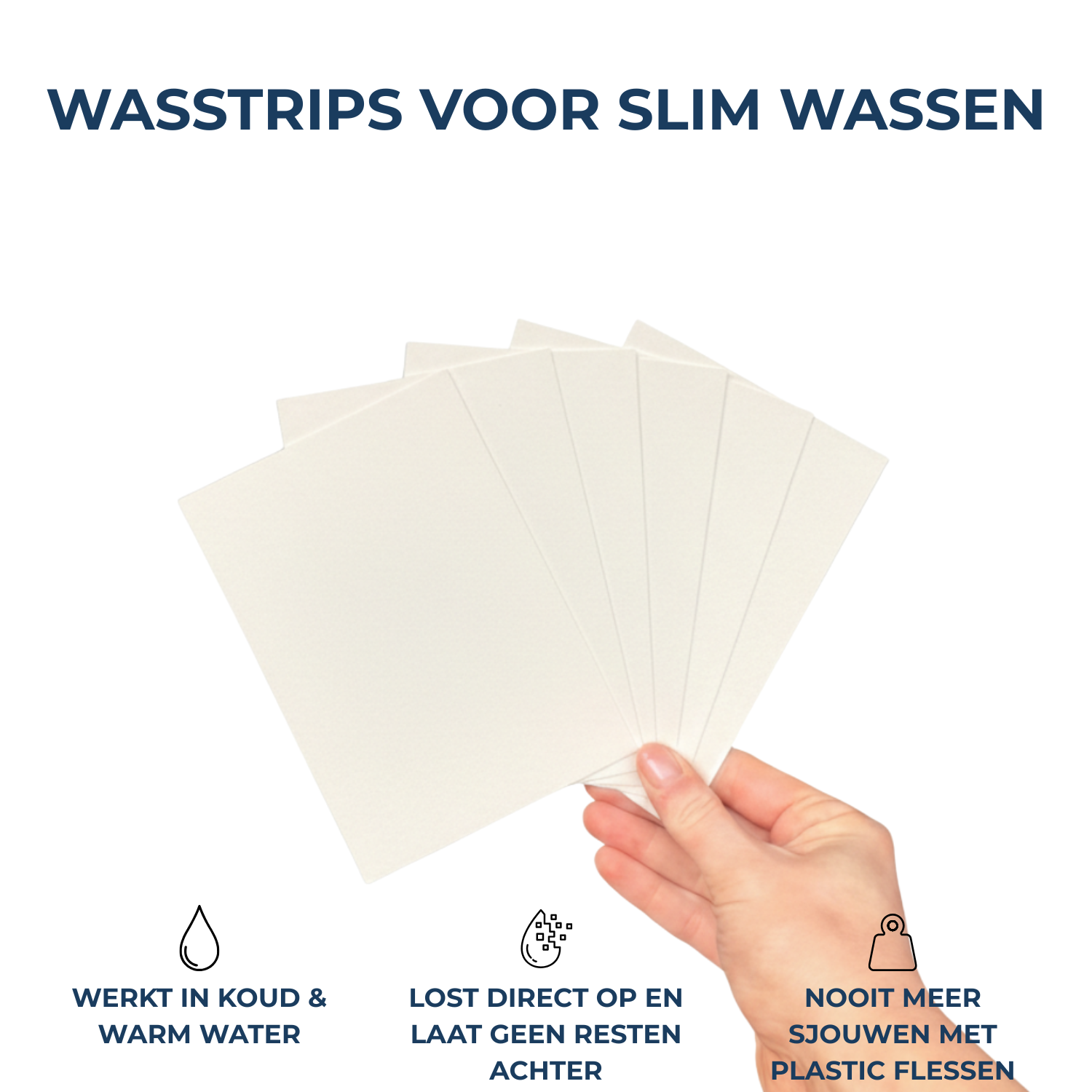
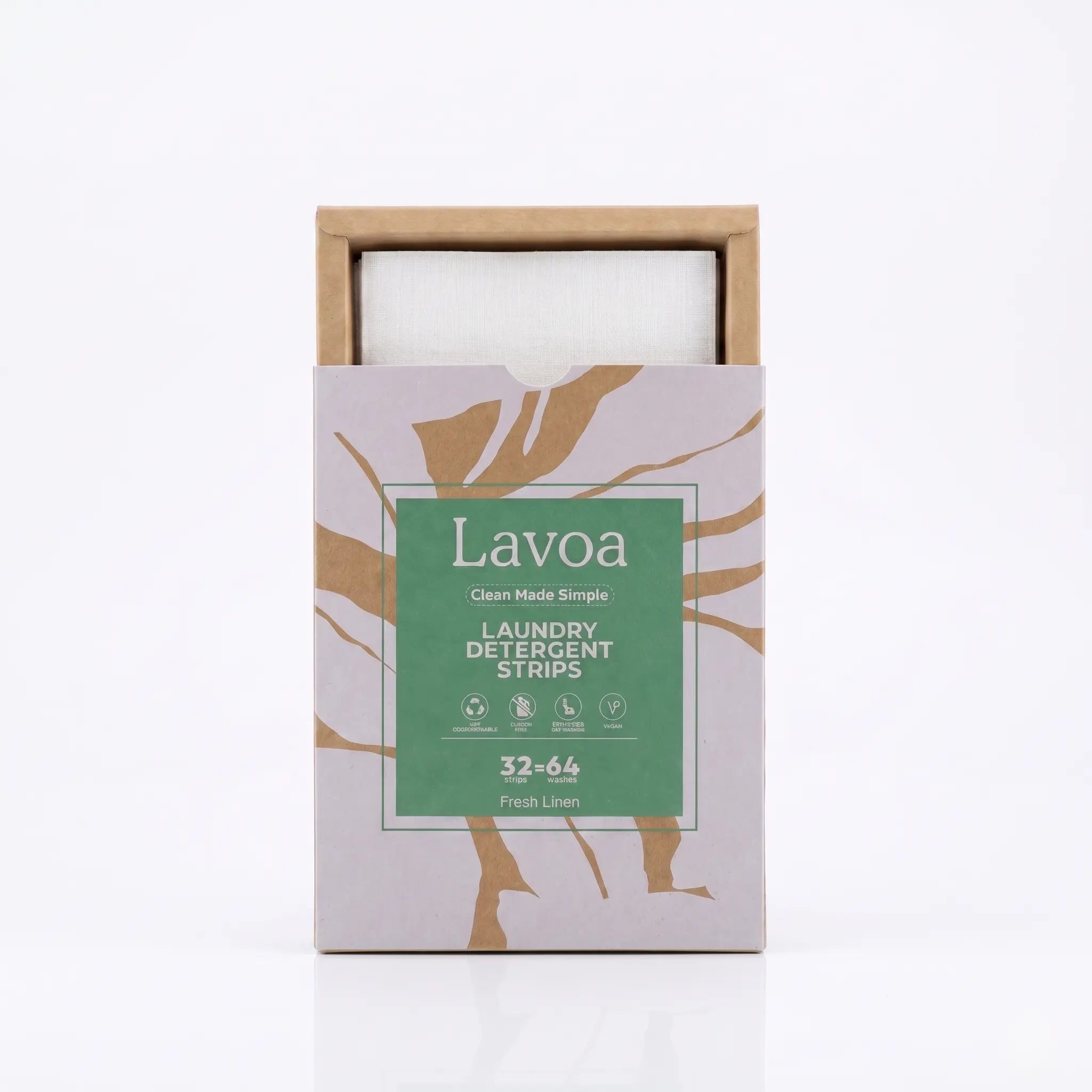
Tear off a small piece of the laundry strip, wet it, and dab it directly onto the stain. The strip forms a concentrated soapy solution that penetrates deep into the fibers. Leave it to work for 5 to 30 minutes, depending on the severity of the stain, then wash as normal.
Can old stains still be removed?
Sometimes. Stains that have not yet been through the dryer can often still be treated, even if they have already dried. Stains that have already been dried at high temperatures are usually permanently set. Always try a gentle treatment first before giving up.
Can I use hot water on stains?
It depends on the stain. Grease stains dissolve better with heat — lukewarm water is fine. Protein stains such as blood, eggs, or milk react poorly to heat — it sets the proteins in the fibers. When in doubt, always start with cold water.
Laundry strip for stain treatment and as a detergent
Tear off a piece for pretreatment, and put the rest in the drum. One product, two functions.
View the laundry strips →