Swimwear wears out faster than most people think — and rarely because of swimming itself. Chlorine, sunscreen, and improper washing do the real damage.
What chlorine and salt water do to swimwear
Swimwear is made from elastic synthetic fibers, usually a blend of polyamide (nylon) and elastane. These fibers are sensitive to chlorine and salt water — both damage elasticity and accelerate the stretching of the fabric.
The longer chlorine or salt remains in the fabric, the more damage it causes. Rinsing with cold water immediately after swimming is therefore not a luxury but simply good maintenance.
Immediately after swimming: cold water
Before you get home: rinse your swimwear under cold water. The shower after swimming is the ideal moment. No soap is needed — simply let cold water run through it and gently squeeze it. This removes most of the chlorine or salt.
Never wring it out — squeeze swimwear by gently pressing it together. Wringing damages the elastic fibers and speeds up stretching.
Machine-washing swimwear
After a day at the beach or several swimming sessions, swimwear can go in the machine — but be careful. The fibers are sensitive to heat and mechanical stress.
✓ Do
- Delicates or hand-wash cycle
- Maximum 30°C
- A small amount of detergent
- Low spin speed or no spin cycle
- In a laundry bag if washing several items at once
✗ Don't
- Washing above 30°C
- Using fabric softener
- High spin speed
- In the dryer
- Drying in direct sunlight
Fabric softener damages elastic fibers and noticeably shortens the lifespan of your swimwear. Do not use it.
Hand-washing: the gentlest method
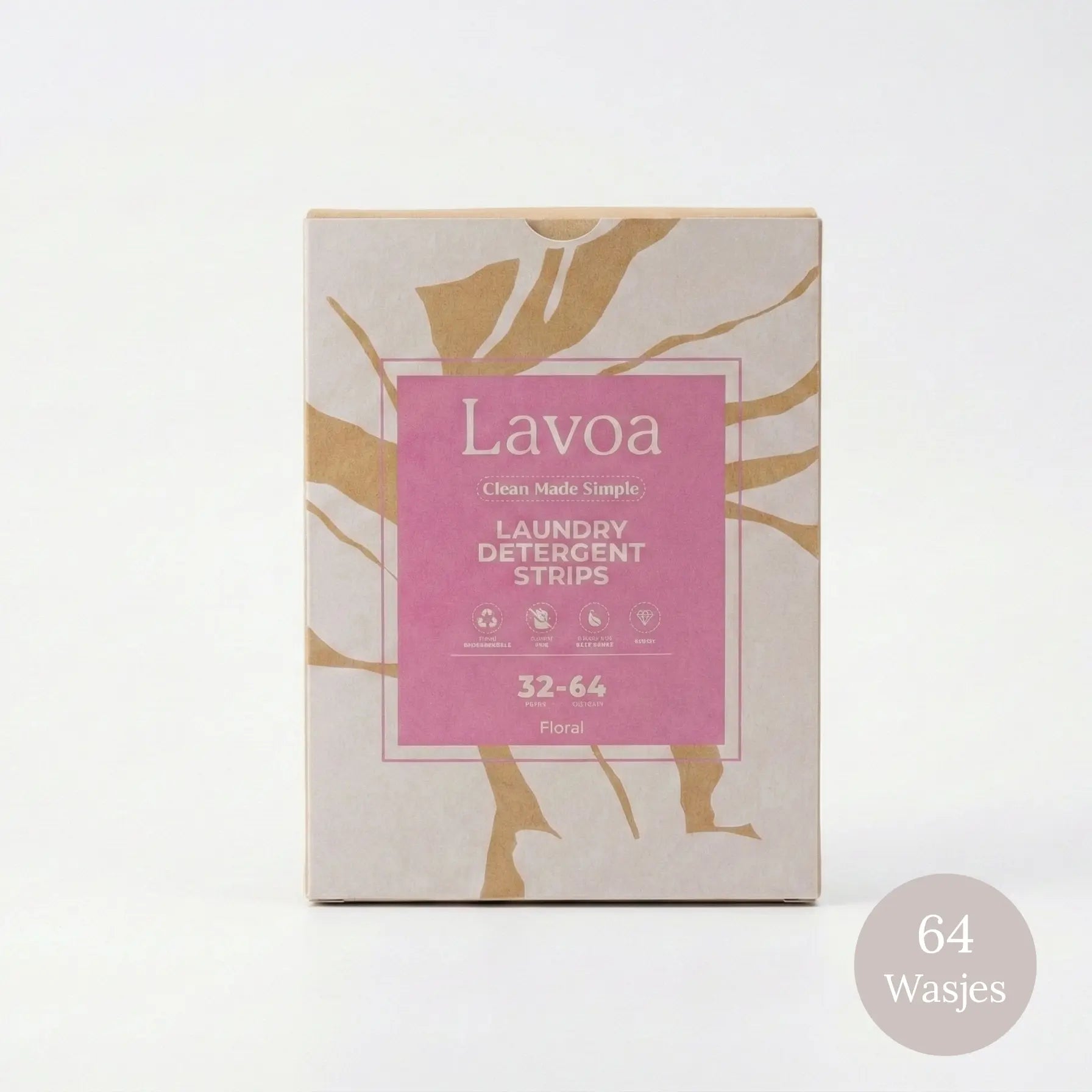
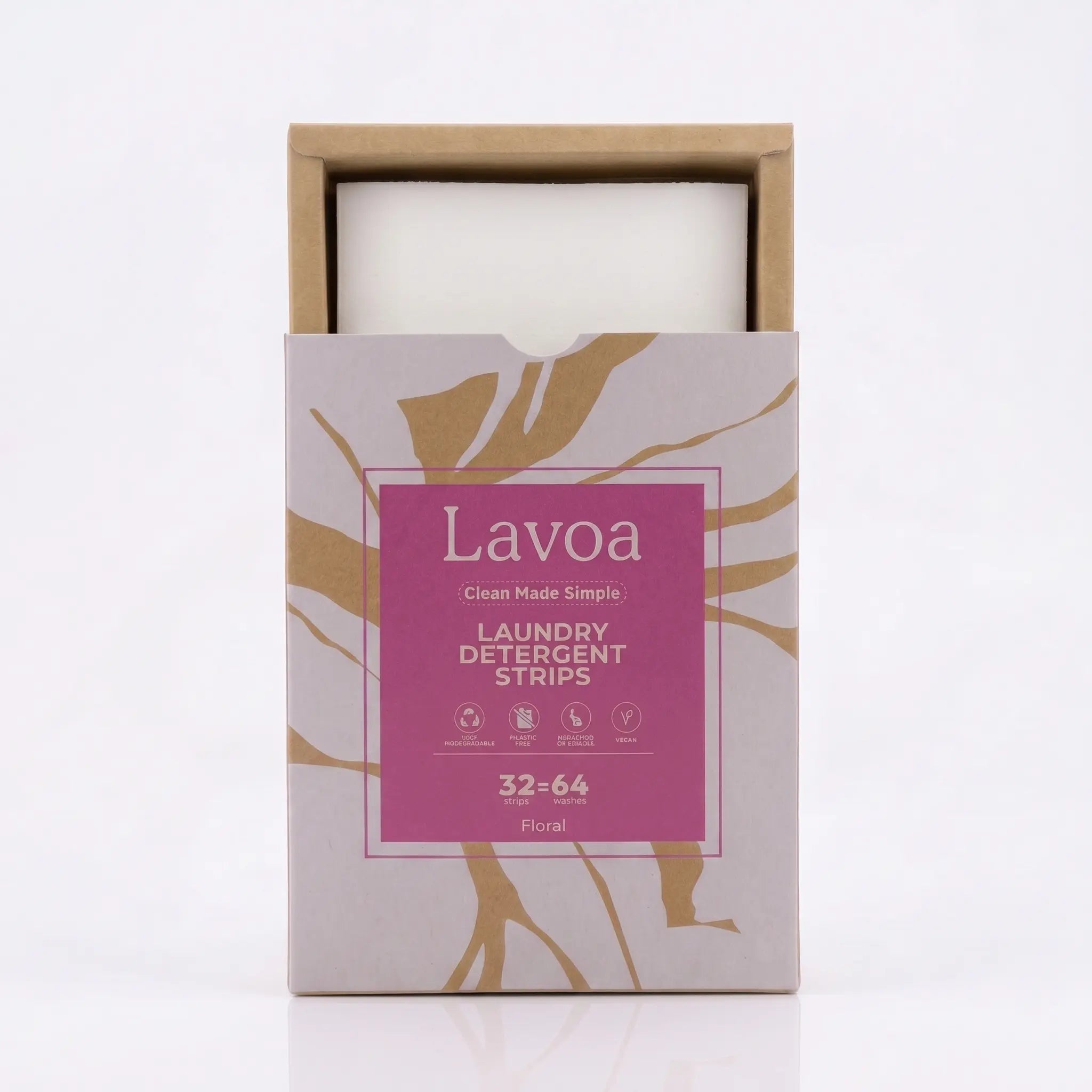
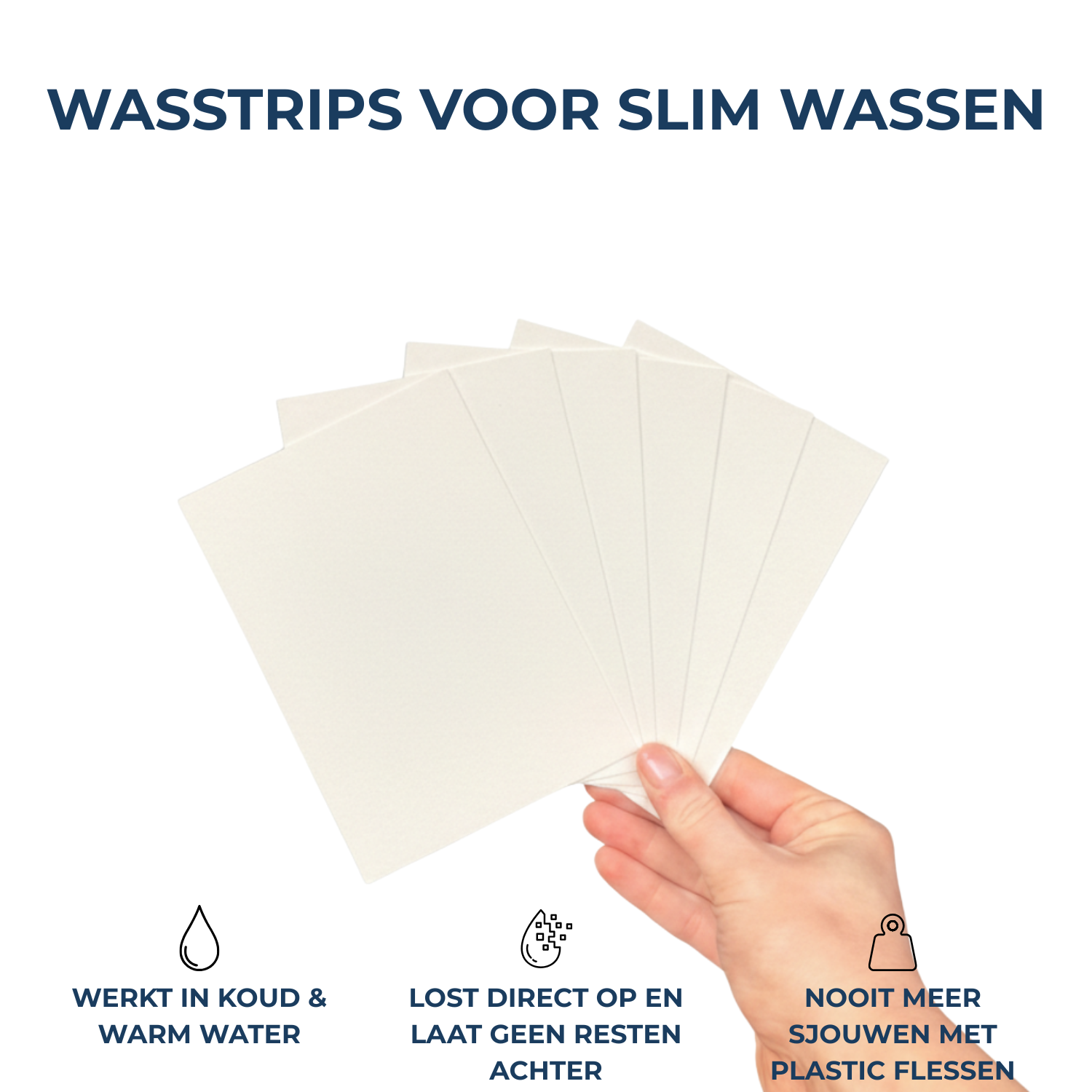
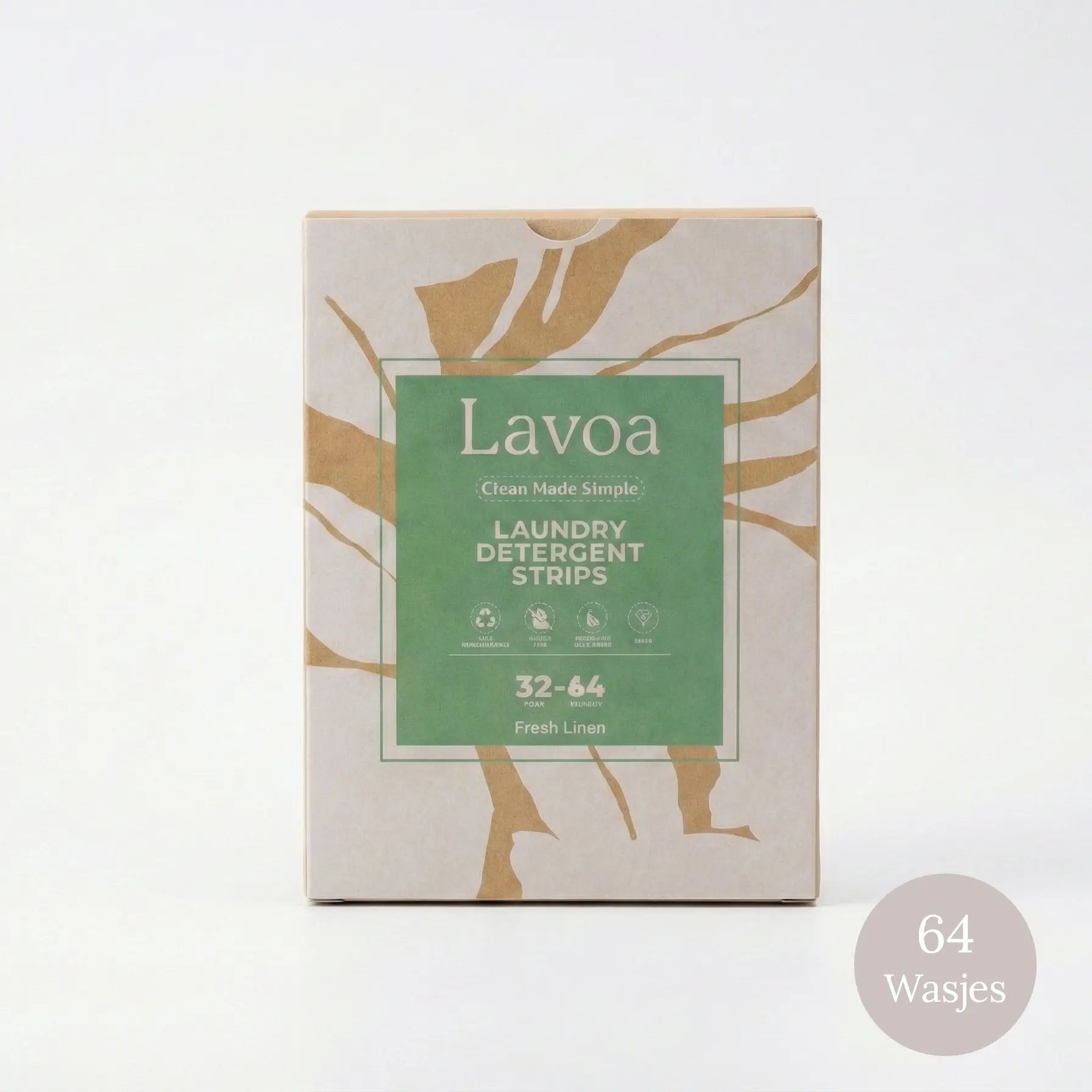
For expensive swimwear or swimsuits with underwires or embellishments, hand-washing is the safest choice. Dissolve a quarter of a laundry strip in a tub of lukewarm water, gently wash the garment, and rinse thoroughly with cold water.
Always hand-wash underwire swimsuits — the machine can deform the underwires or damage the fabric around them.
Bras
Hang swimwear to dry in the shade, not in direct sunlight. UV radiation fades colours and damages elastane — exactly what you want to avoid with a colourful bikini or pair of swimming trunks. Laying it flat on a towel to dry is even better, especially for swimsuits with a specific fit.
- Always dry in the shade — UV damages elastane and colours
- Never use the tumble dryer — heat damages the stretch fibres
- Lay flat to dry swimsuits with a structured fit
- Do not hang it over a metal drying rack — this can leave rust marks
How long does swimwear last?
Good swimwear lasts for two to four summers if you look after it properly. The first signs of wear are stretching around the elastic edges and fading — both accelerate if you wash too hot, use fabric softener or tumble-dry it.
Rinse after every use, wash after each day at the beach or pool, and hang to dry in the shade. That's all there is to it.
Frequently asked questions about washing swimwear
What is the best way to wash swimwear?
Rinse with cold water immediately after swimming. Then hand wash in lukewarm water with a small amount of detergent, or machine wash on a delicate cycle at a maximum of 30°C. No fabric softener, no tumble dryer, dry in the shade.
Can swimwear go in the washing machine?
Yes, on a delicate or hand-wash cycle at a maximum of 30°C. Use a small amount of detergent and a low spin speed. Underwired swimsuits are best washed by hand — the machine can deform the underwires.
Can I use fabric softener with swimwear?
No. Fabric softener damages the elastic fibres in swimwear and shortens its lifespan. The fabric stretches out more quickly and loses its shape. Use only a small amount of mild detergent.
How do I remove chlorine from swimwear?
Rinse the swimwear under cold running water immediately after swimming in the pool — this removes most of the chlorine. Then wash with a mild detergent at 30°C. The longer chlorine remains in the fabric, the more damage it causes.
Why shouldn't swimwear go in the tumble dryer?
Heat damages the elastane fibres in swimwear — the fabric stretches and loses its shape. Drying in the shade at room temperature is always the safest choice, both for the fit and the colours.
Summer laundry without the hassle
A quarter of a laundry strip in a bowl of water is enough for hand washing — convenient both at home and on holiday.
View the laundry strips →