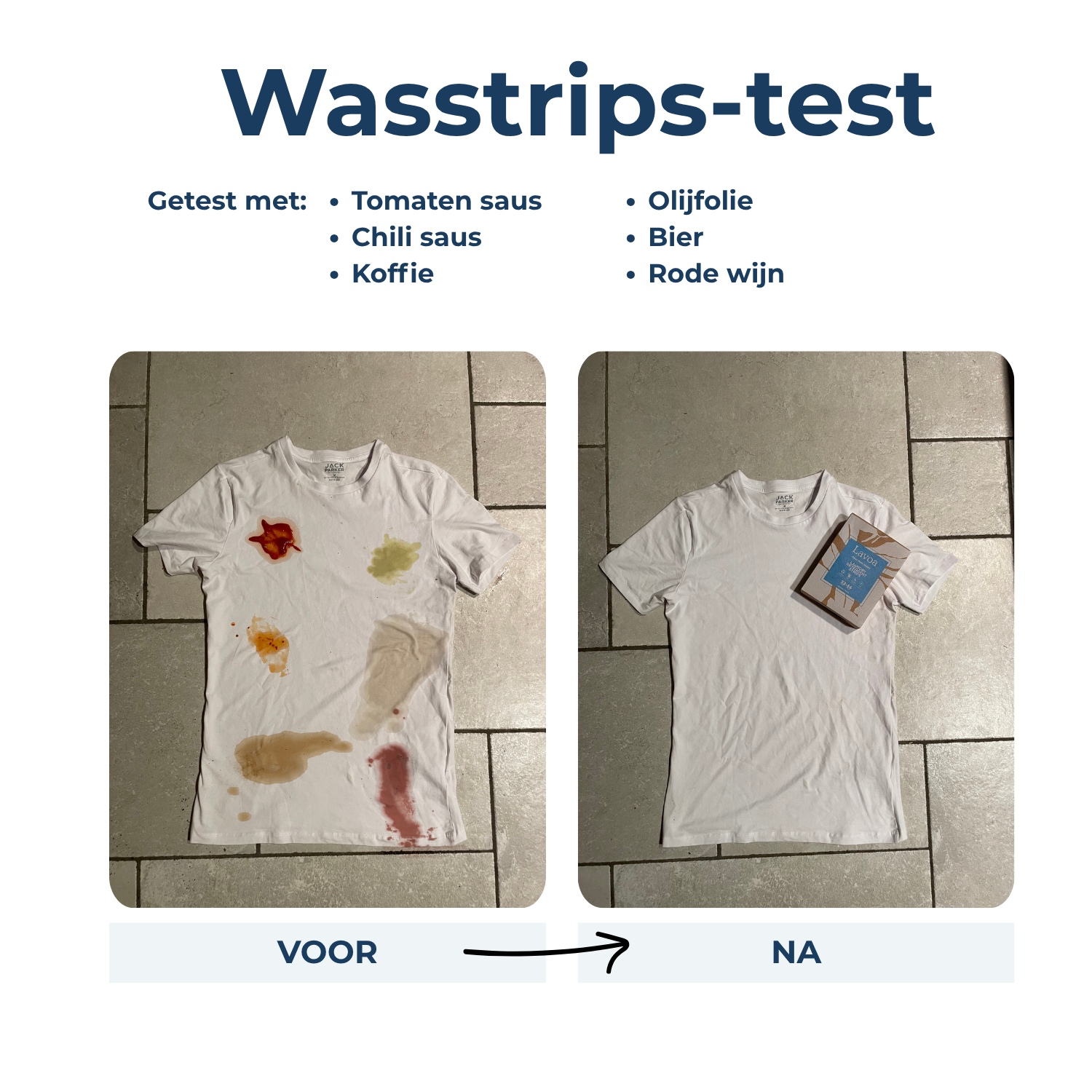
Every garment has care instructions, but most people ignore them until something goes wrong. Those small symbols tell you exactly what your clothes need — if you know them.
Washing: the tub of water
The most common symbol. A tub filled with water means that machine-washing is permitted. The number inside is the maximum temperature — not the recommended temperature. You can always wash at a lower temperature than the label indicates.
| Symbol | Meaning |
|---|---|
| Washing permittedTemperature of your choice, normal cycle | |
| Maximum 30°CNumber = maximum temperature. Lower temperatures are always permitted | |
| Maximum 40°CStandard for cotton and blended fabrics | |
| Maximum 60°CFor bed linen, towels, and hygienic laundry | |
| Gentle cycleOne line = synthetics or delicates | |
| Extra gentleTwo lines = wool cycle, minimal spinning | |
| Hand-wash onlyDo not machine-wash, maximum 40°C | |
| Do not washDry cleaning or professional wet cleaning required |
You can always wash at a lower temperature than the label indicates. A sweater with a 40°C symbol can also be washed at 30°C — this is gentler on the fabric and saves energy.
Drying: the square
The square tells you how you may dry the garment. This symbol is ignored most often — and that is exactly what causes clothes to shrink or lose their shape.
| Symbol | Meaning |
|---|---|
| Tumble-drying permittedCircle in a square = tumble-drying permitted | |
| Tumble-dry on low settingOne dot = low temperature, for delicate fabrics | |
| Tumble-dry on normal settingTwo dots = normal temperature | |
| Do not tumble-dryCross = never tumble-dry | |
| Dry flatHorizontal line — for wool and knitwear | |
| Line dryVertical line — hang on a clothes hanger |
Ironing: the iron
The number of dots indicates the maximum ironing temperature. One dot too many and synthetic fabric melts — so this symbol is worth remembering.
| Symbol | Meaning |
|---|---|
| Iron at low temperature (max. 110°C)One dot — for synthetic fabrics | |
| Iron at medium temperature (max. 150°C)Two dots — for wool and silk | |
| Iron at high temperature (max. 200°C)Three dots — for cotton and linen | |
| Do not ironCross — fabric is damaged by heat |
Dry cleaning: the circle
A circle on the label means that the garment must or may be dry-cleaned. In practice: take it to the dry cleaner.
| Symbol | Meaning |
|---|---|
| Dry-cleaning permittedEmpty circle — dry-cleaning permitted | |
| Standard dry cleaningCircle with P — standard solvent permitted | |
| Do not dry-cleanCircle with a cross — do not dry-clean |
Bleaching: the triangle
Not very relevant to most people in everyday laundry, but useful to recognize on white clothing or bed linen.
| Symbol | Meaning |
|---|---|
| Bleaching allowedEmpty triangle — bleach may be used | |
| Do not bleachTriangle with a cross — do not use bleach |
Is there a symbol on the label that you do not recognize? Search for the name of the clothing material together with “laundry care” — most brands also publish this information on their website.
The most common mistakes
- Ignoring the label when in doubt — it is there for a reason
- Washing at a higher temperature than the label indicates to remove stains — this rarely helps and damages the fabric
- Using the dryer when the label says “dry flat” — wool and some knitted fabrics stretch under their own weight
- Ironing at too high a setting — one dot too many and synthetic fabric melts
- Forgetting that you can always wash at a lower temperature than the maximum
Frequently asked questions about laundry symbols
What does the number in the wash tub mean?
The number indicates the maximum washing temperature. You can always wash at a lower temperature — this is gentler on the fabric and saves energy. The number is an upper limit, not a requirement.
What does a line under the wash tub mean?
One line means a gentle cycle — comparable to a synthetics or delicate cycle. Two lines mean extra gentle, such as a wool cycle with minimal spinning. No line means a normal cycle.
Can I always wash at a lower temperature than the label indicates?
Yes. The symbol indicates the maximum temperature, not the minimum. A garment with a 60°C symbol can also be washed at 30°C or 40°C. Washing at a lower temperature is rarely a problem — washing above the maximum is.
What should I do if there is no longer a label in my clothing?
Check the material. Cotton and linen can withstand 40–60°C. Synthetic fabrics such as polyester and nylon should be washed at a maximum of 30–40°C. Wool and silk should be washed at a maximum of 30°C on a gentle cycle. When in doubt: cold water and a delicate cycle are always safe.
What does a circle on the label mean?
A circle means dry cleaning. A circle with a cross means do not dry-clean. A letter inside the circle (P or F) indicates which solvent the dry cleaner may use — this is information for the dry cleaner, not for you at home.
Wash at the right temperature — hassle-free
Laundry strips work at all temperatures from 20°C to 90°C and dissolve completely. Simply follow the label.
View the laundry strips →